India’s active mutual fund industry is still producing alpha in the wrong places, and that gap matters because it is telling investors where the market’s next phase of returns is likely to come from. Seven in 10 large-cap schemes and three in four mid-cap funds underperformed their five-year benchmarks, yet small-cap strategies held up as the relative bright spot, reinforcing a familiar but powerful thesis: in India, scale is becoming less forgiving, while bottom-up stock picking still has room to work in less efficiently priced pockets of the market.
India active funds underperform in large caps, small caps hold up
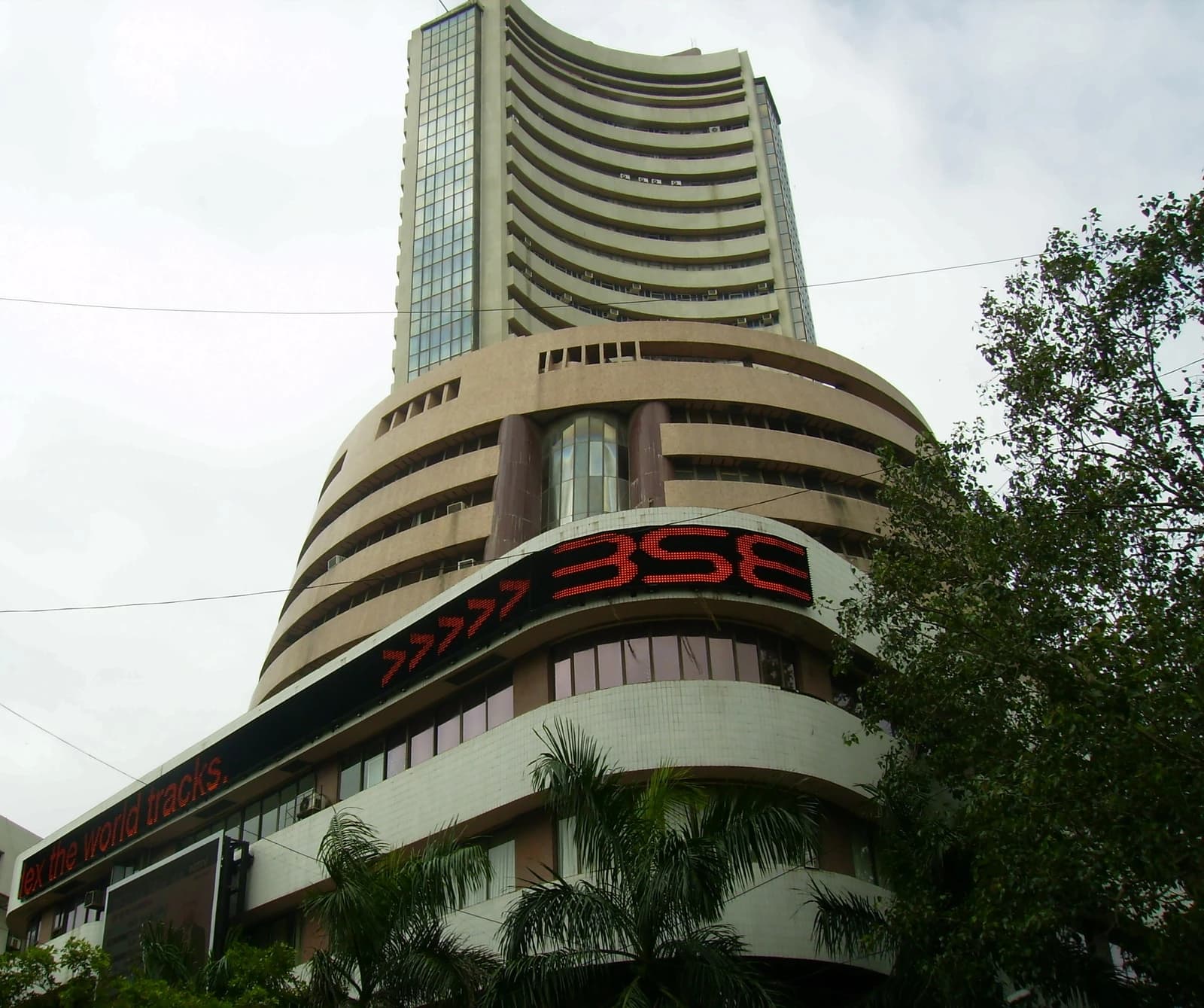
That split matters economically because it reflects a market that has matured faster than many active managers. Large-cap India is now crowded with institutional ownership, heavy index tracking and tighter valuation discipline, making it harder for active funds to beat the benchmark after fees. Mid-caps have also become more competitive as liquidity improves and more investors chase the same growth names. The result is a widening performance hurdle for active managers and, by extension, a stronger case for passive exposure in core holdings.
Sentiment IndicatorsⓘProprietary · adalytica.com · August 1, 2026
This is a snapshot — live sentiment, awareness and momentum for 130+ markets update continuously in the dashboard.Open AlphaPulse
But the fact that small-cap schemes remain the relative standout is just as important. It suggests that India’s domestic growth story is still broad enough to support dispersion at the stock level, even as the headline indices become harder to outsmart. For investors, that creates a bifurcated opportunity set: own the market efficiently in large caps, but look for active selection where research can still matter. In practice, that means small-cap and select mid-cap funds may continue to justify their higher fees if managers can navigate a universe where earnings growth, government capex, private investment and domestic demand are still throwing off pockets of mispricing.
The broader backdrop also favors this narrative. India’s economy is still being shaped by government spending, supply-chain localization and a deepening retail-investor base, all of which tend to reward companies earlier in their growth cycle. That is the kind of environment where active managers can still find winners, especially in smaller companies tied to infrastructure, manufacturing, financial services and domestic consumption. By contrast, the large-cap space increasingly behaves like a battleground for benchmark hugging rather than differentiated stock picking.
There is also a market-structure angle investors should not miss. When active funds underperform in the most efficient parts of the market, capital usually rotates toward index products and rules-based strategies. That can compress fees, pressure fund houses and force a sharper focus on process, risk control and concentration. It also raises the bar for managers who want to convince investors that active selection is worth paying for in India’s biggest stocks.
The investable takeaway is straightforward: the data argues for a barbell. Keep core India exposure in low-cost large-cap vehicles, but do not dismiss active small-cap and selective mid-cap funds, where the odds of genuine outperformance are still better. The market is rewarding breadth, not just size, and the next leg of India’s equity story may belong to investors willing to look beyond the blue chips.
| Entity | Gains | Losses |
|---|---|---|
| Small-cap active funds | ▲Room for stock-picking alpha | ▼Less index dominance |
| Passive large-cap ETFs | ▲Efficient core exposure | ▼Active fee premium |
| Active large-cap managers | ▲None | ▼Benchmark underperformance |
| Indian small-cap stocks | ▲Capital inflows | ▼Higher valuation scrutiny |




