India has opened talks with China to ease business visa bottlenecks for executives, engineers and technical staff, a practical step that could unlock stalled trade, technology transfer and manufacturing supply chains even as the two Asian powers keep rebuilding ties after years of friction.
India Opens Talks on China Business Visas
The issue matters because visas are not just paperwork in this relationship — they are a constraint on capital, know-how and production. Indian companies say Chinese travel restrictions have forced some meetings into third countries such as Singapore, raised costs and slowed the movement of technical specialists needed to install equipment, troubleshoot factories and manage supplier links. In an economy like India’s, where manufacturing ambitions depend heavily on imported machinery, components and Chinese expertise, that friction can ripple straight into output and margins.
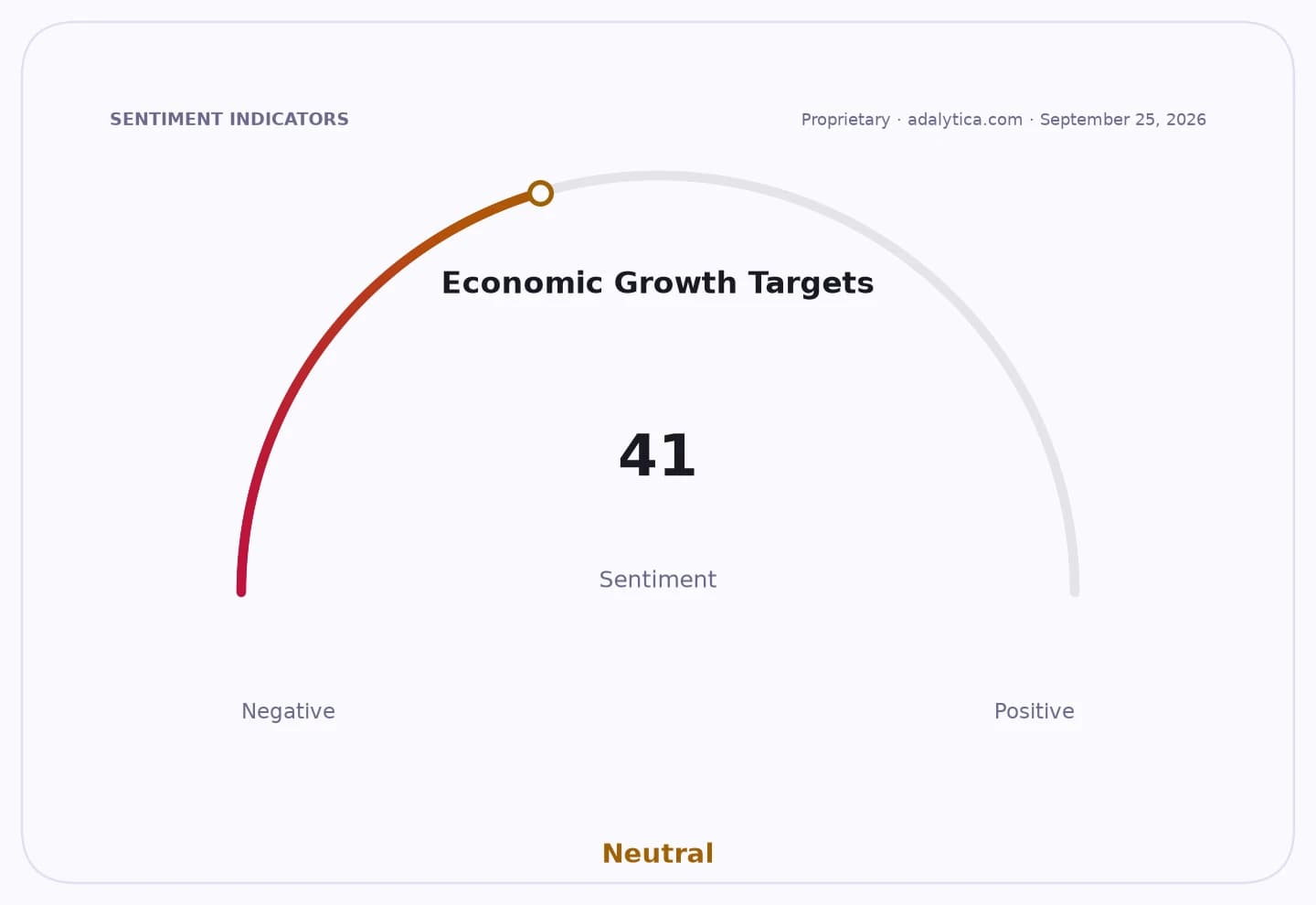
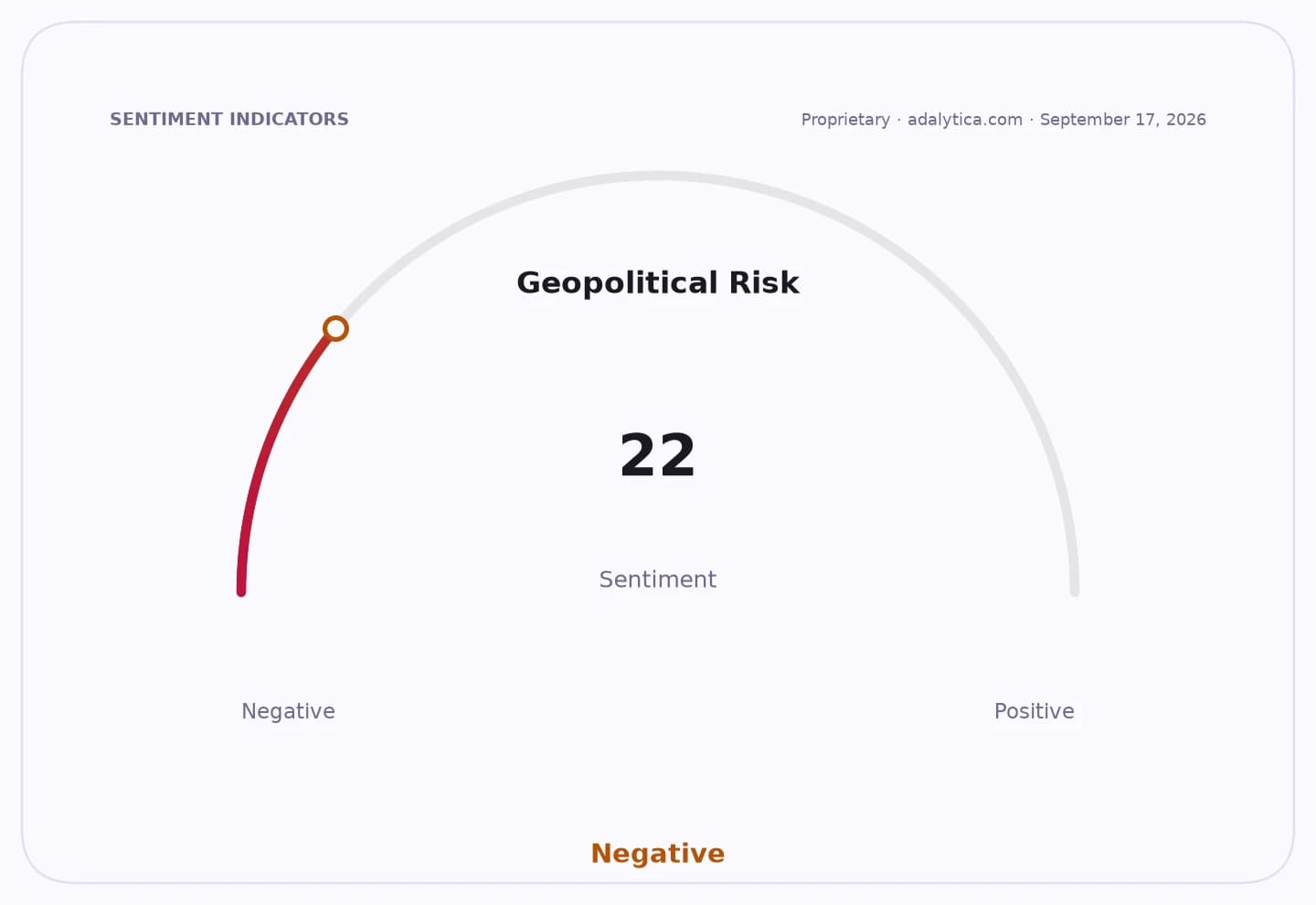
Sentiment IndicatorsⓘProprietary · adalytica.com · September 9, 2026
This is a snapshot — live sentiment, awareness and momentum for 130+ markets update continuously in the dashboard.Open AlphaPulse
New Delhi’s willingness to engage is also notable because it comes alongside a softer stance on Chinese investment. India has relaxed parts of its Press Note 3 regime, allowing non-controlling stakes of up to 10% to move through the automatic route and introducing a fast-tracked 60-day window for some critical manufacturing investments. That creates a clear policy signal: India wants Chinese capital and know-how back in the system, but it cannot fully capitalize on that reopening if business travel remains choked.
For investors, the key takeaway is that incremental normalization between India and China can be a real operating tailwind for sectors exposed to cross-border supply chains, especially electronics, machinery, industrials and parts of manufacturing tied to production-linked incentive schemes. It also reduces one of the hidden execution risks in India’s industrial buildout: equipment can be ordered, but without engineers and sales teams able to move freely, projects stall and costs rise.
There is no full reset here. The Galwan clash, the military standoff and India’s tighter screening of Chinese money still define the relationship. But this is exactly why the visa channel matters: it is a low-cost, high-impact lever for de-risking commercial ties without requiring a broader political breakthrough. If the talks produce even a limited easing, the market should expect better supply-chain flow, faster project execution and a modest but real boost to India’s manufacturing story.
The best way to play this is through the companies and ETFs that benefit from smoother India-China trade rather than the diplomatic headlines themselves. The winners are the manufacturers, equipment users and logistics-linked businesses that need Chinese technical support. The losers are the friction premiums built into delayed projects, stranded meetings and slower capex conversion.
| Entity | Gains | Losses |
|---|---|---|
| Indian manufacturers | ▲Faster technical support | ▼Project delays |
| Chinese suppliers | ▲Easier market access | ▼Lost orders |
| India-China trade links | ▲Lower friction | ▼Visa bottlenecks |
| India-focused industrial investors | ▲Better execution visibility | ▼Supply-chain uncertainty |