India’s approval of new coal-linked projects that would clear nearly 400,000 trees puts a sharp economic and political price tag on the country’s power expansion plans, underscoring the trade-off between energy security and environmental cost.
India Coal Approvals Raise Cost and Delay Risks
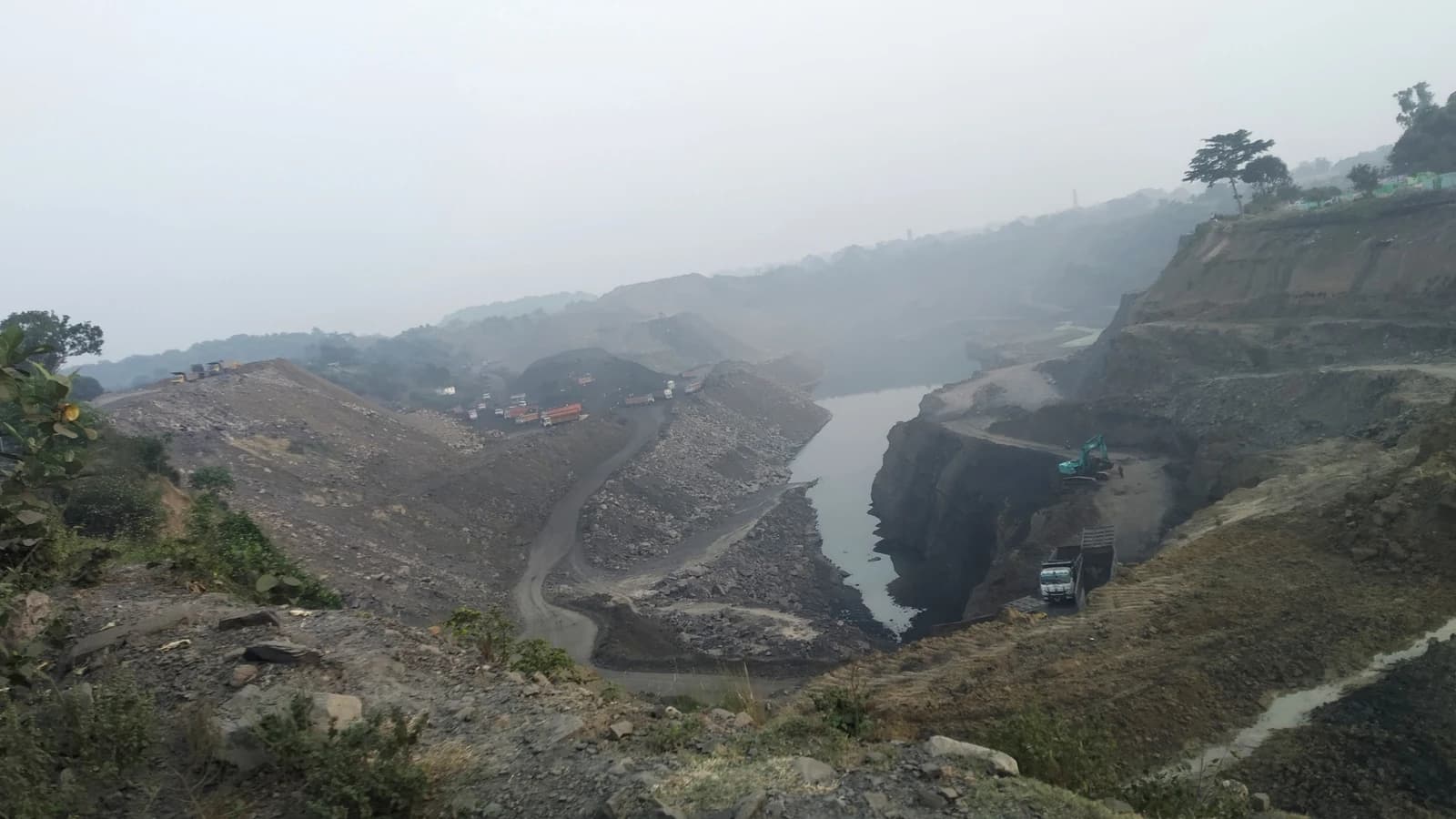
The nod matters because forest loss is no longer just an ecological issue in India’s industrial policy. It can translate into longer permitting timelines, higher project execution costs, legal challenges and, eventually, pressure on developers and state utilities to absorb mitigation expenses.
Sentiment IndicatorsⓘProprietary · adalytica.com · July 18, 2026
This is a snapshot — live sentiment, awareness and momentum for 130+ markets update continuously in the dashboard.Open AlphaPulse
The immediate scale is large. The projects would require the removal of close to 400,000 trees, according to the seed headline, highlighting how coal remains tied to land-intensive infrastructure even as India says it wants to accelerate cleaner capacity and grid upgrades. For investors, that raises the risk that coal additions will face more scrutiny, more delays and higher compliance burdens than initially priced in.
The backdrop is a power system still dependent on coal for baseload generation, even as electricity demand rises and policymakers try to balance growth, affordability and emissions pledges. Coal project approvals can support short-term supply reliability, but they also lock in future exposure to fuel, environmental and regulatory costs at a time when capital is increasingly being pushed toward renewables, storage and transmission.
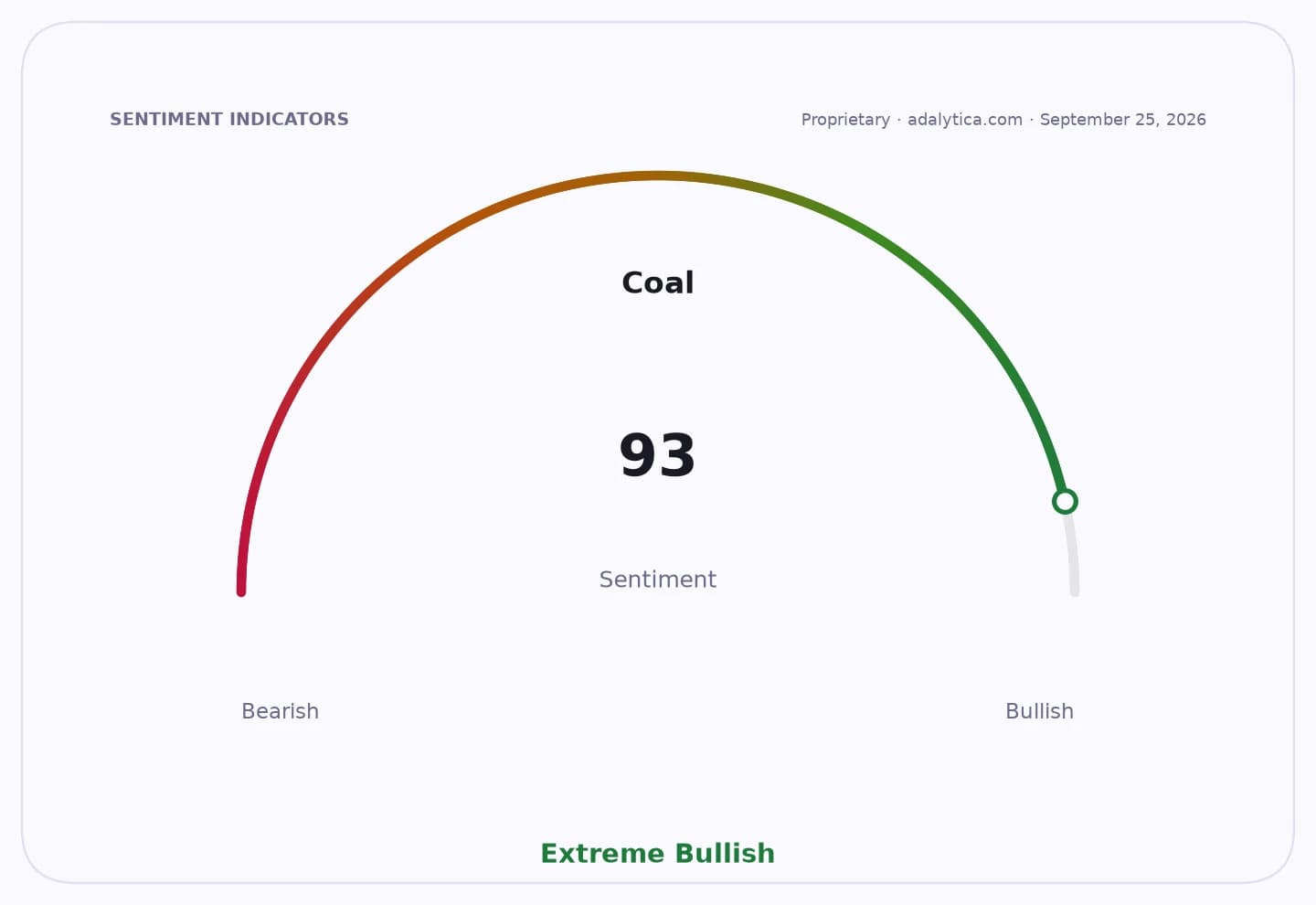
Coal — 30-day sentimentadalytica.com
Explore this data interactively — full history, time series and cross-market comparisons.Open AlphaPulse
Market reaction will be most relevant for Indian utilities, mining-linked suppliers and engineering contractors with coal exposure. Thermal power developers may benefit from clearer project pipelines, while solar, wind and grid equipment players could face a slower reallocation of capital if coal continues to win policy backing.
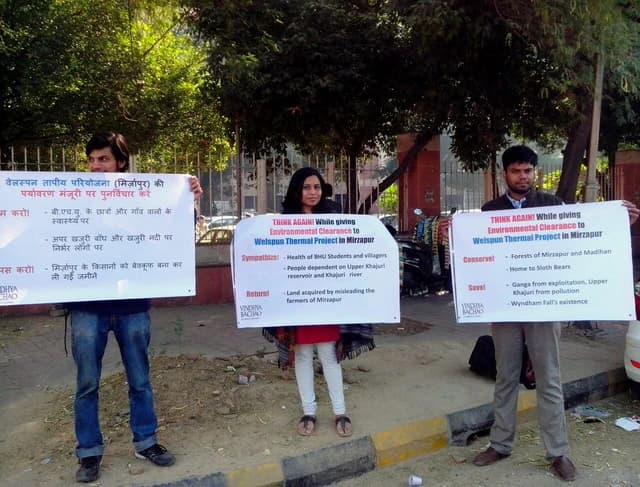
The question now is whether the approvals become a one-off concession to near-term power needs or the start of another round of coal-heavy expansion that will draw stronger resistance from environmental groups, local communities and lenders. Any further permitting decisions, court challenges or changes in forest-clearance rules will be the key catalysts for the sector.
| Entity | Gains | Losses |
|---|---|---|
| Coal project developers | ▲Faster project pipeline | ▼Higher compliance burden |
| Coal suppliers and contractors | ▲More demand | ▼More scrutiny |
| Power utilities | ▲Near-term capacity relief | ▼Longer permitting risk |
| Environmental groups and local communities | ▲— | ▼Forest loss and disruption |