India’s push to revive coal gasification is struggling to find commercial takers, underscoring how financing, technology risk and climate scrutiny are complicating one of the country’s most politically visible energy bets.
India coal gasification struggles to attract bidders
The lack of interest matters because coal gasification is being promoted as a way to extract more value from domestic coal, support fertilizer and industrial feedstocks, and reduce import dependence at a time when India’s power system remains under strain. But with coal inventories at power stations already running thin and global energy prices elevated, the absence of bidders suggests that private capital still sees the project as a costly, uncertain proposition rather than an immediate earnings opportunity.
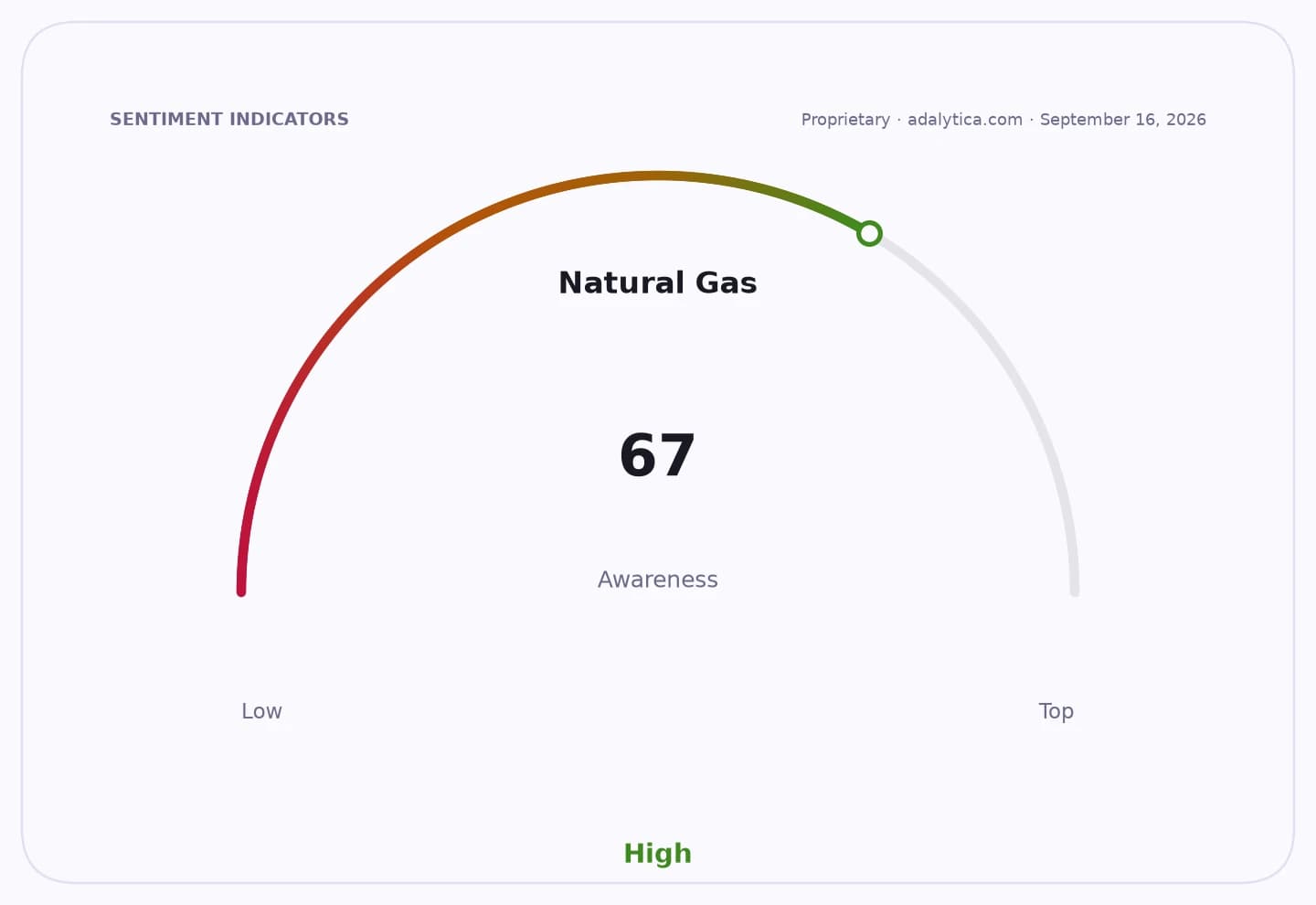
Sentiment IndicatorsⓘProprietary · adalytica.com · September 7, 2026
This is a snapshot — live sentiment, awareness and momentum for 130+ markets update continuously in the dashboard.Open AlphaPulse
That is a problem for policymakers trying to balance energy security with decarbonisation goals. India’s coal system is under pressure from both directions: utilities need reliable supply to avoid outages, while governments and investors are increasingly wary of locking in high-emission infrastructure. The news also comes as coal prices have climbed to an 11-week high of about $145 a ton, reinforcing the short-term value of coal while simultaneously making downstream projects more expensive and more controversial.
For investors, the signal is twofold. Coal-linked producers may benefit from tight supply and firm prices, but gasification developers face a tougher funding environment, especially if they require large upfront capital, long payback periods and policy support to make returns work. The market’s hesitation is consistent with broader sentiment that favors cash-generative mining over experimental clean-coal pathways, even as energy security concerns keep coal demand intact.
Listed coal names have reflected that tension. Peabody Energy’s shares have remained volatile, while the broader sector has also had to contend with activist pressure and environmental liabilities disclosed in filings. Cliffs, though more exposed to steelmaking than power coal, has also been buffeted by commodity swings and policy risk, illustrating how investors are discounting cyclical upside against regulatory and climate-related costs.
The likely outcome is a slower, more state-directed path for coal gasification unless New Delhi sweetens incentives, de-risks offtake and clarifies policy support. Until then, the gap between strategic rhetoric and private-sector appetite may remain wide — and that leaves investors watching not just coal prices, but whether the government is prepared to shoulder more of the project risk itself.
| Entity | Gains | Losses |
|---|---|---|
| Coal producers | ▲Firmer coal demand | ▼Weak appetite for new projects |
| India government | ▲Energy security optionality | ▼Harder policy execution |
| Private developers | ▲Possible subsidies later | ▼High capex and technology risk |
| Investors in coal miners | ▲Higher near-term pricing | ▼Long-duration gasification bets |