India’s decision to remove import duty on cotton is set to lower raw-material costs for textile mills, but it is also squeezing domestic growers who say the move will deepen their losses unless New Delhi steps in with a subsidy.
India Cotton Duty Cut Boosts Mills, Pressures Farmers

The policy shift matters because cotton sits at the center of India’s rural economy and export-facing textile chain. Cheaper imported fibre can ease pressure on spinning companies and garment makers facing volatile domestic supply, but it also risks depressing farmgate prices just as growers contend with higher input costs and weather stress.
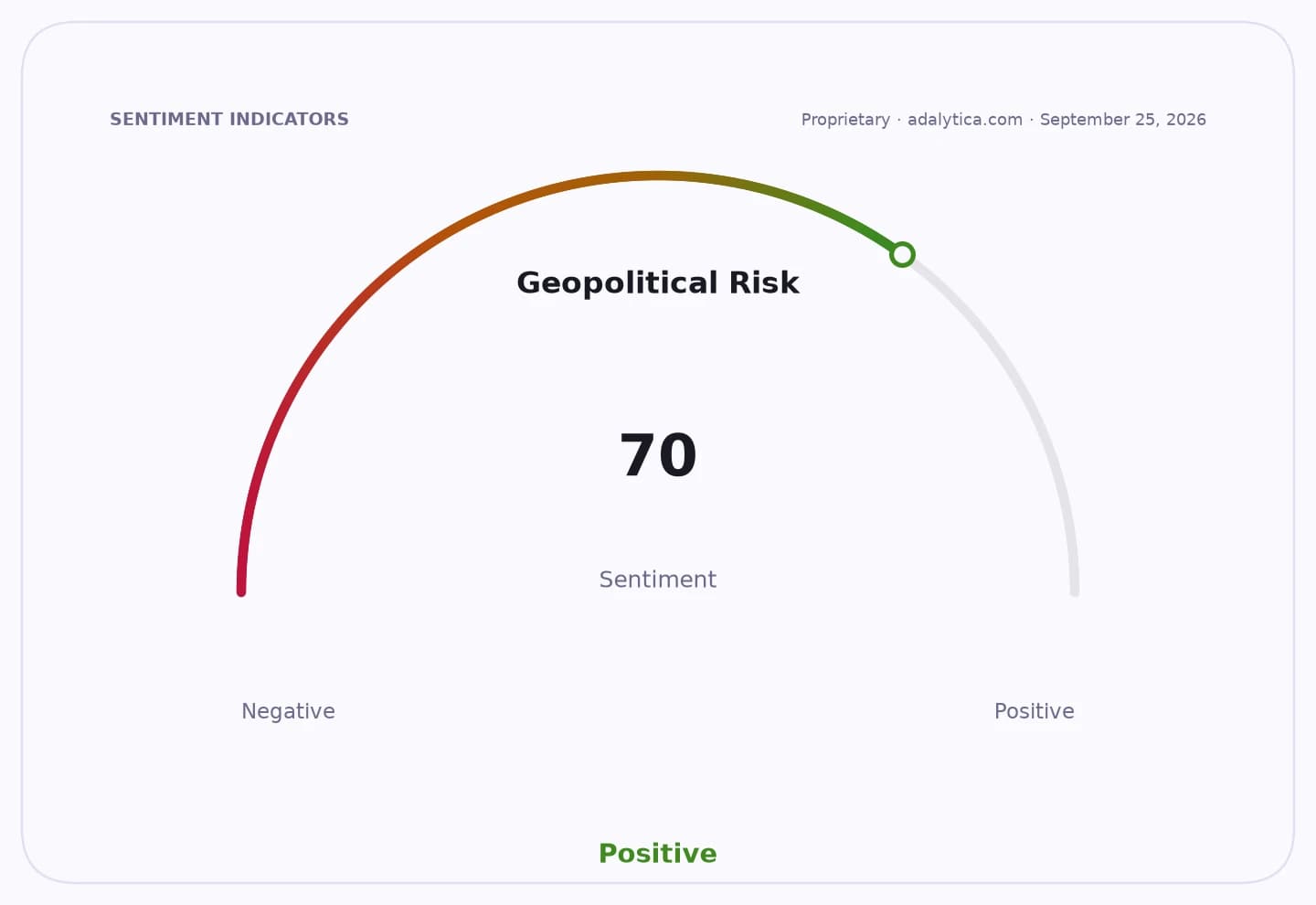
Sentiment IndicatorsⓘProprietary · adalytica.com · July 17, 2026
This is a snapshot — live sentiment, awareness and momentum for 130+ markets update continuously in the dashboard.Open AlphaPulse
Cotton prices have already been under strain from weather-driven supply disruption and broader commodity volatility. Global benchmark pressures matter too: U.S. cotton and other agricultural commodity prices have been swinging alongside moves in energy and inflation expectations, while a stronger or weaker dollar changes the cost of imports for Indian buyers.
For textile manufacturers, the duty cut is a near-term margin positive if it translates into lower lint costs and steadier inventories. For farmers, especially in cotton-growing belts such as Tamil Nadu and Gujarat, the concern is that cheaper overseas supply will undercut domestic demand before higher productivity gains materialize.
That is why the political reaction is intensifying. Farmers are pressing for a compensating subsidy, arguing that policy should support growers as well as mills, particularly in a sector where prices, weather and policy can move earnings quickly.
The government’s next move will be closely watched by both sides of the chain. If it pairs the duty removal with farm support or productivity measures, it could blunt the backlash; if not, the risk is a sharper income hit for growers and a fresh round of lobbying from the textile industry as India balances food and fibre inflation, export competitiveness and rural stress.
| Entity | Gains | Losses |
|---|---|---|
| Textile mills | ▲Lower cotton input costs | ▼None immediately |
| Cotton farmers | ▲Possible subsidy support | ▼Lower domestic prices |
| Apparel exporters | ▲Better margins, steadier supply | ▼Policy uncertainty |
| Government | ▲Cheaper textile inflation | ▼Rural political pressure |