India’s push to finalise a trade agreement with the European Union is drawing investor attention because it could lower barriers for one of the world’s fastest-growing major economies and deepen access for European exporters at a time when global trade is being reshaped by tariffs and geopolitical fragmentation.
India-EU Trade Deal Could Boost Market Access
Lithuanian ambassador Diana Mickeviciene’s description of the proposed India-EU free trade agreement as a “big game changer” captures the scale of what is at stake: a pact between the EU’s 27-member market and India’s 1.4 billion consumers could improve market access, streamline supply chains and give both sides a hedge against worsening trade relations elsewhere. For India, a deal with the EU would complement its broader effort to lock in preferential terms with major partners and reduce reliance on any single market. For Europe, it offers a route into a market where domestic demand, infrastructure spending and industrial investment remain relatively resilient.
Sentiment Indicators
The macro significance is clearest in the context of a world where tariffs are no longer an abstract policy risk. Companies have been warning in filings that trade disputes can disrupt supply chains, raise costs and hurt demand, and India itself has been trying to balance openness with protection for sensitive sectors such as agriculture. A well-structured accord with the EU would signal that New Delhi still sees trade liberalisation as a tool for growth, even as it seeks carve-outs to protect politically sensitive industries.
For investors, the implications run across exporters, logistics providers and companies with exposure to Indian consumer and industrial demand. European manufacturers, luxury groups, automakers and capital goods suppliers would stand to gain if tariffs fall and customs procedures become less cumbersome. Indian companies with strong manufacturing footprints could also benefit if the pact improves access to European customers and encourages relocation of parts of global supply chains toward India.
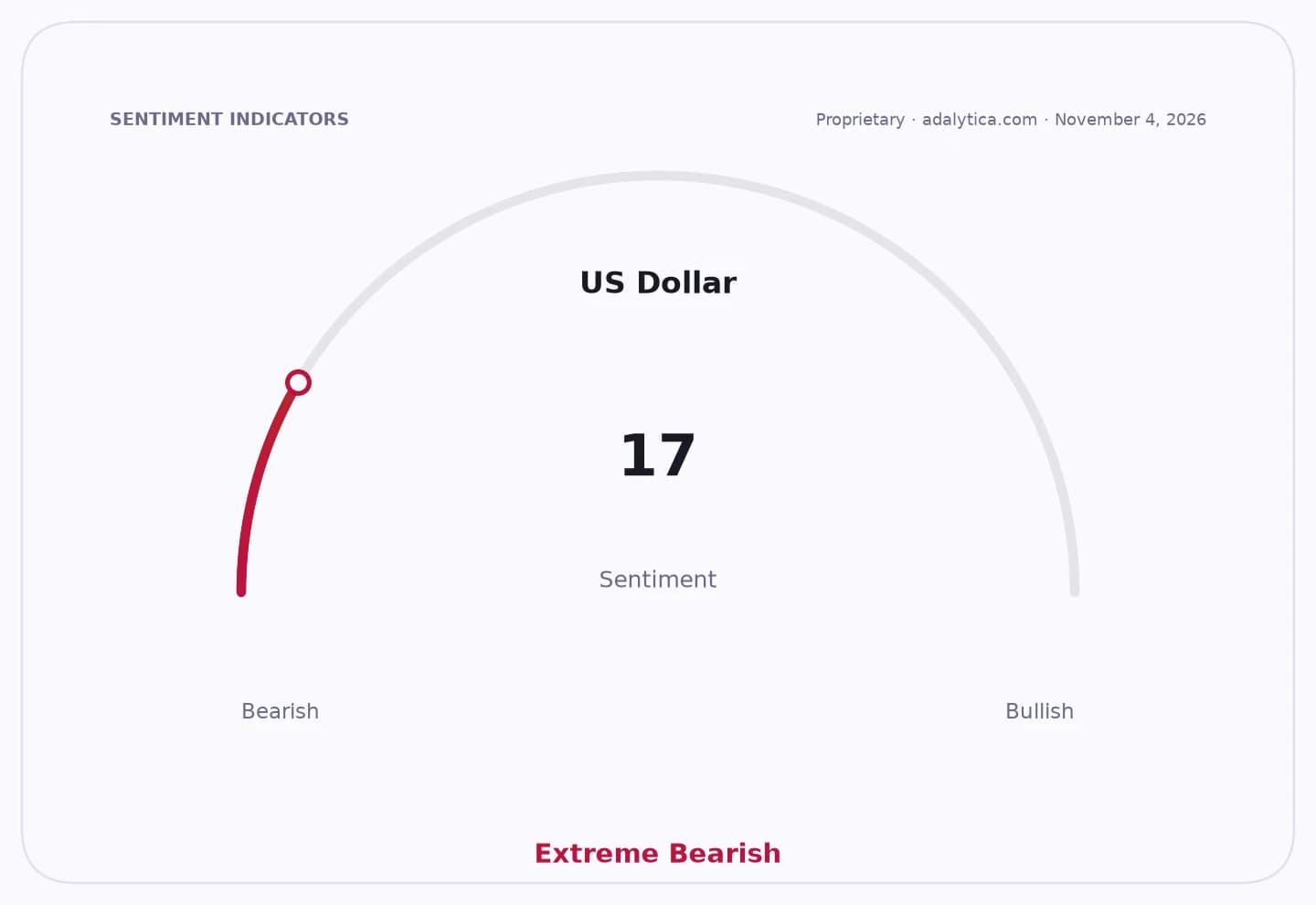
Market action has reflected that optimism at the margin. The iShares MSCI India ETF, INDA, has recovered to $50.08 after trading as low as $45.56 on Oct. 8, while Europe-focused exposure through VGK and EFA has also held up, with both funds trading above their 50-day and 200-day moving averages. The broader dollar backdrop, meanwhile, remains supportive of cross-border risk assets, with Adalytica’s US Dollar Trade Signals showing extreme fear and a sharp drop in sentiment, a sign investors are still leaning toward assets tied to global trade and growth.
Still, the bull case depends on execution. India has a history of moving cautiously on trade when domestic industries fear competition, and an agreement that leaves agriculture or key manufacturing sectors too heavily protected may disappoint markets that are pricing in a more sweeping liberalisation. The European side will also want credible commitments on market access, standards and dispute resolution before calling it transformational.
The most likely outcome is not an overnight reordering of trade, but a gradual repricing of India’s role in global commerce. If negotiations move from rhetoric to binding rules, the payoff would be measured in stronger bilateral flows, improved supply-chain visibility and a clearer investment case for companies positioned on either side of the India-EU corridor.
| Entity | Gains | Losses |
|---|---|---|
| India exporters | ▲Better EU market access | ▼Higher compliance costs if deal is narrow |
| EU manufacturers | ▲Lower trade barriers | ▼More competition in India |
| Indian consumers | ▲Greater product choice | ▼Protected domestic producers |
| Global investors | ▲Clearer trade visibility | ▼Firms exposed to tariff risk |