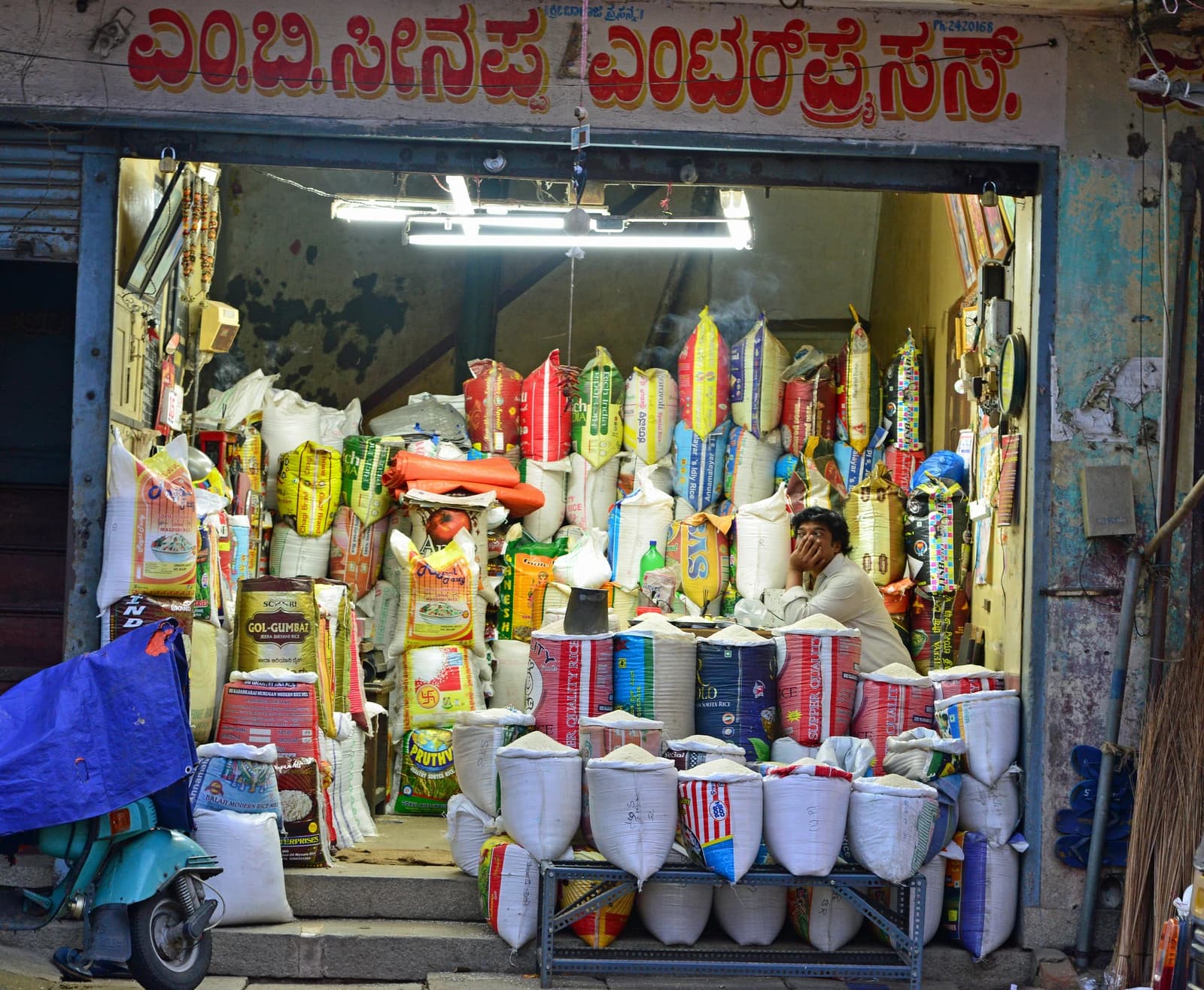
India used a UN Security Council briefing to make a bigger economic point than history alone: wars do not hit every country equally, and the poorest consumers end up paying first through higher food, fuel and fertiliser costs. That message lands as the Ukraine war continues to rattle shipping, Black Sea grain flows and energy infrastructure, keeping pressure on global food security and emerging markets.
India warns on food inflation from Ukraine war
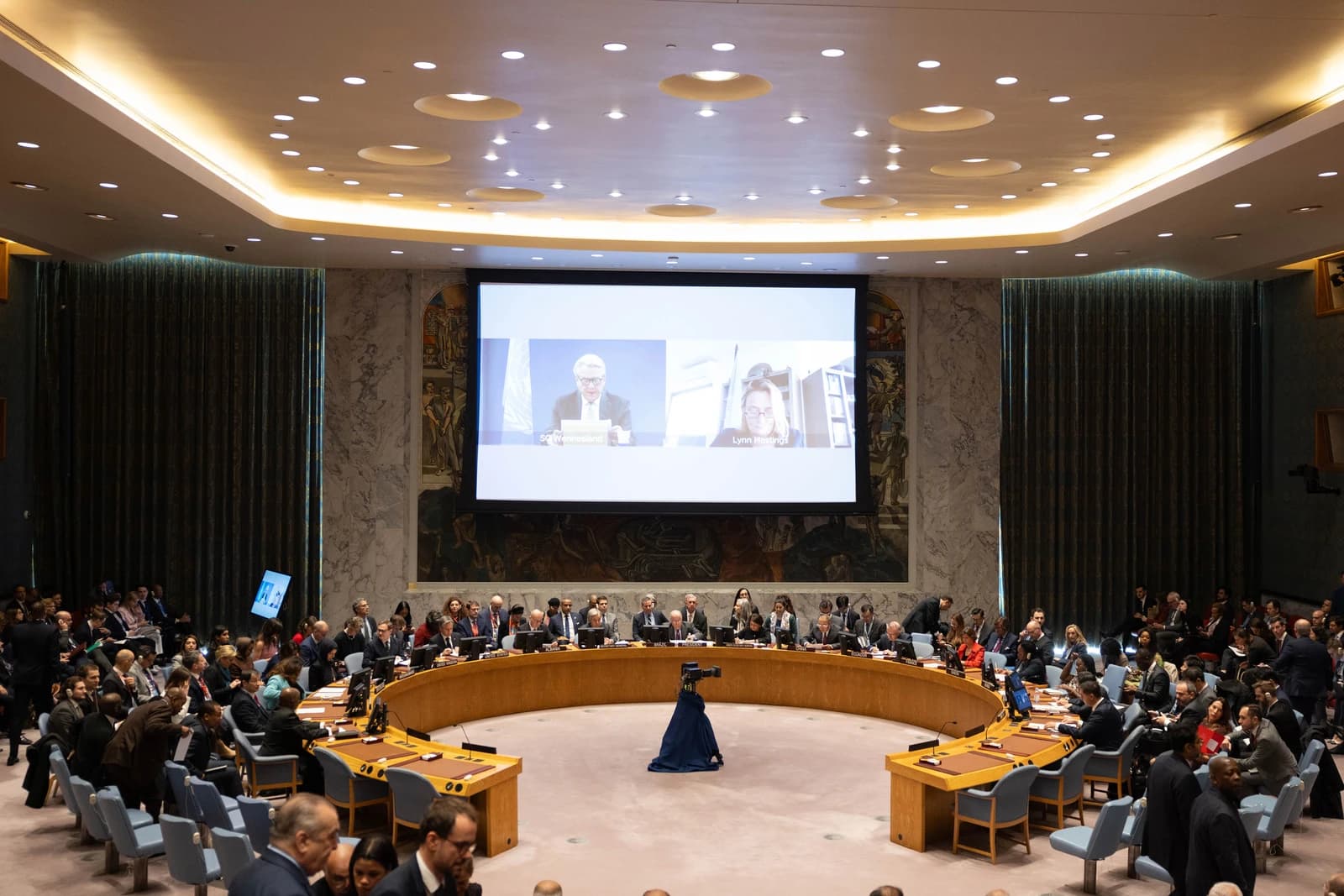
By invoking the 1943 Bengal famine, New Delhi tied today’s disruptions to one of the most painful examples of how distant conflict can devastate civilian populations far from the battlefield. India’s UN ambassador said the “costs of conflict are not shared equally,” arguing that the Global South bears the heaviest burden when exports, logistics and inputs are interrupted. For investors, that matters because food inflation is not just a humanitarian issue — it is a macro variable that can shape central bank policy, consumer spending and political stability across Asia, Africa and Latin America.
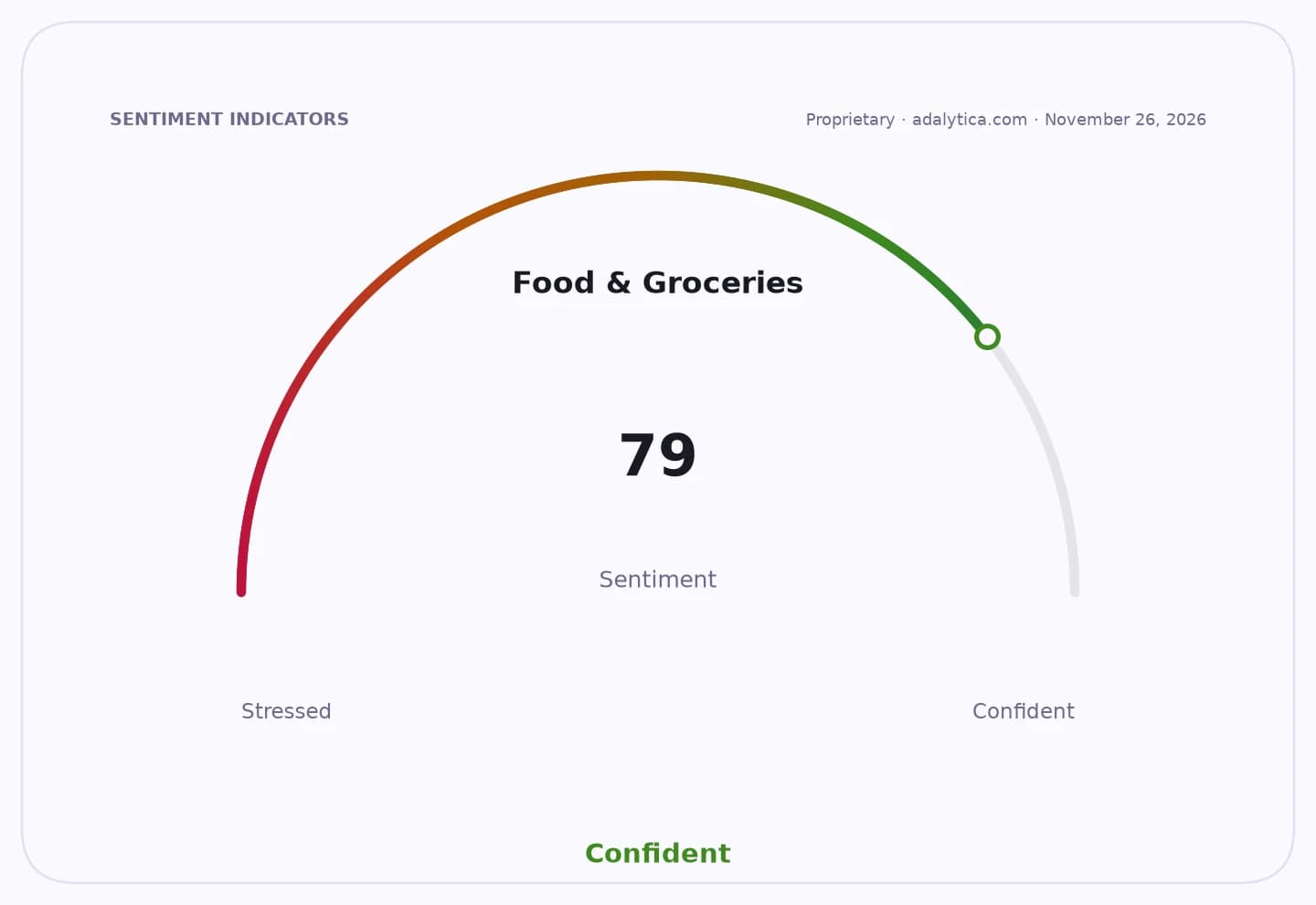
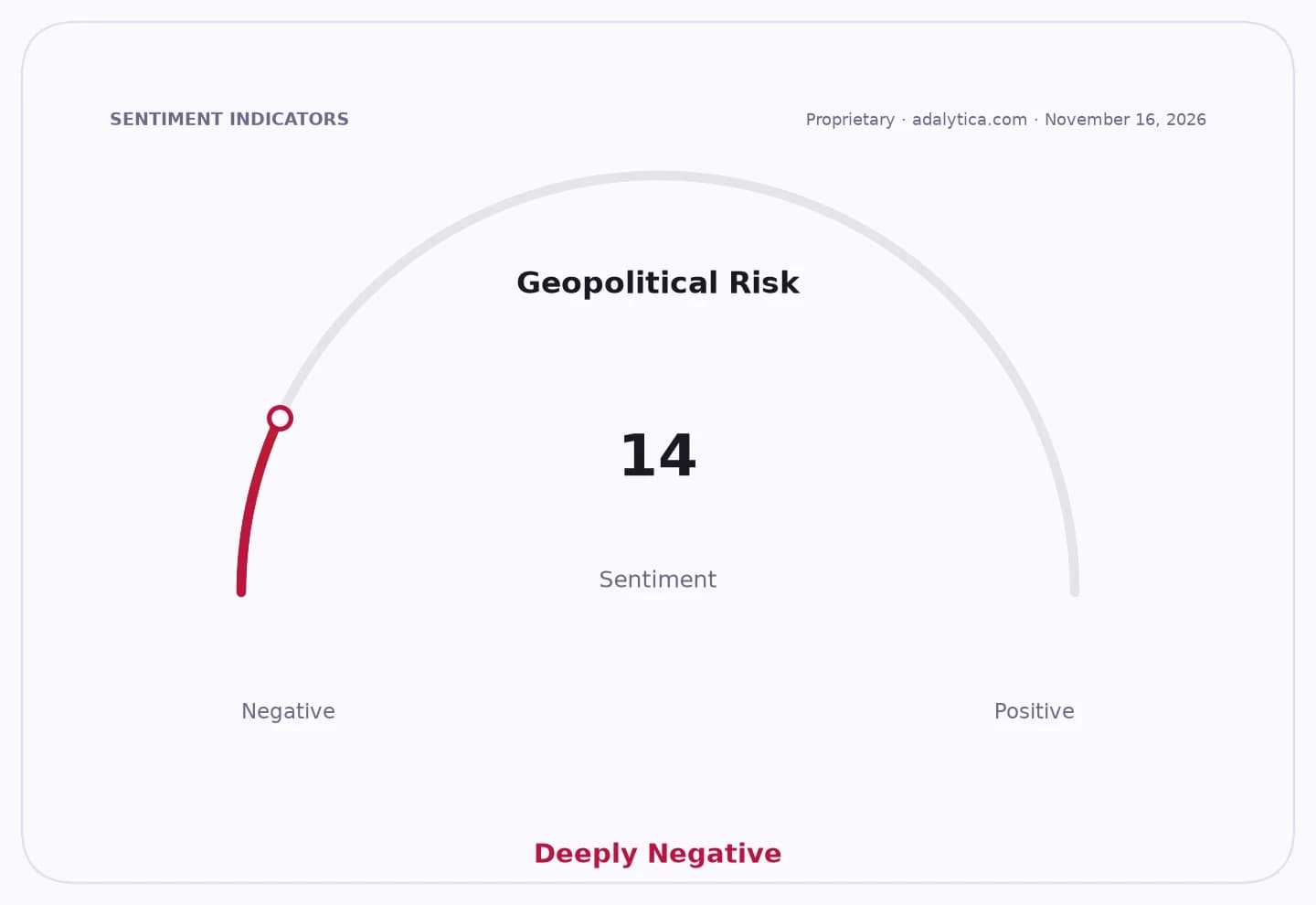
Sentiment Indicators
The numbers at the centre of the warning are hard to ignore. India said the Black Sea region and India together account for nearly a fifth of global cereal production, while Russia and Ukraine supply almost a quarter of the world’s exports of wheat, maize and barley. The World Food Programme said about 10 million tonnes of Russian and Ukrainian wheat, enough to feed 44 million people, may fail to reach global markets this year. That kind of shortfall keeps a floor under grain prices, complicates food import bills and raises the risk of unrest in countries that depend on affordable staples.
The Security Council briefing also underscored how conflict is spreading through the wider economy. UN officials warned that attacks on energy infrastructure are disrupting heating, electricity and water, while drone attacks in the Black Sea are threatening civilian navigation and export routes. India’s call for safe commercial shipping and uninterrupted grain and energy flows was not just diplomatic rhetoric; it reflected the realities of trade-dependent economies that cannot absorb repeated shocks without higher inflation and weaker growth.
That is why the episode matters to investors with a long horizon. Persistent supply disruptions can support agribusiness, fertiliser and shipping names, while pressuring consumer staples margins, food importers and emerging-market sovereign balance sheets. They can also keep demand alive for defensive assets and commodity exposure, even when broader equity markets look resilient. In the near term, the takeaway is that geopolitical risk remains a pricing force in food and energy, not a side story — and for long-term investors, that is worth watching closely.
| Entity | Gains | Losses |
|---|---|---|
| Grain exporters | ▲higher pricing power | ▼import-dependent buyers |
| Energy and shipping assets | ▲tighter supply premiums | ▼consumers and carriers in risky lanes |
| Global South food importers | ▲humanitarian focus | ▼inflation and trade shocks |
| Consumer staples and food buyers | ▲no clear gain | ▼margin pressure and higher bills |