A Rs 76 crore 132 KV high-tech grid for 50 villages in Sumerpur is another sign that the real bottleneck in India’s power story is no longer generation — it is delivery.
India grid spending boosts utility and equipment plays
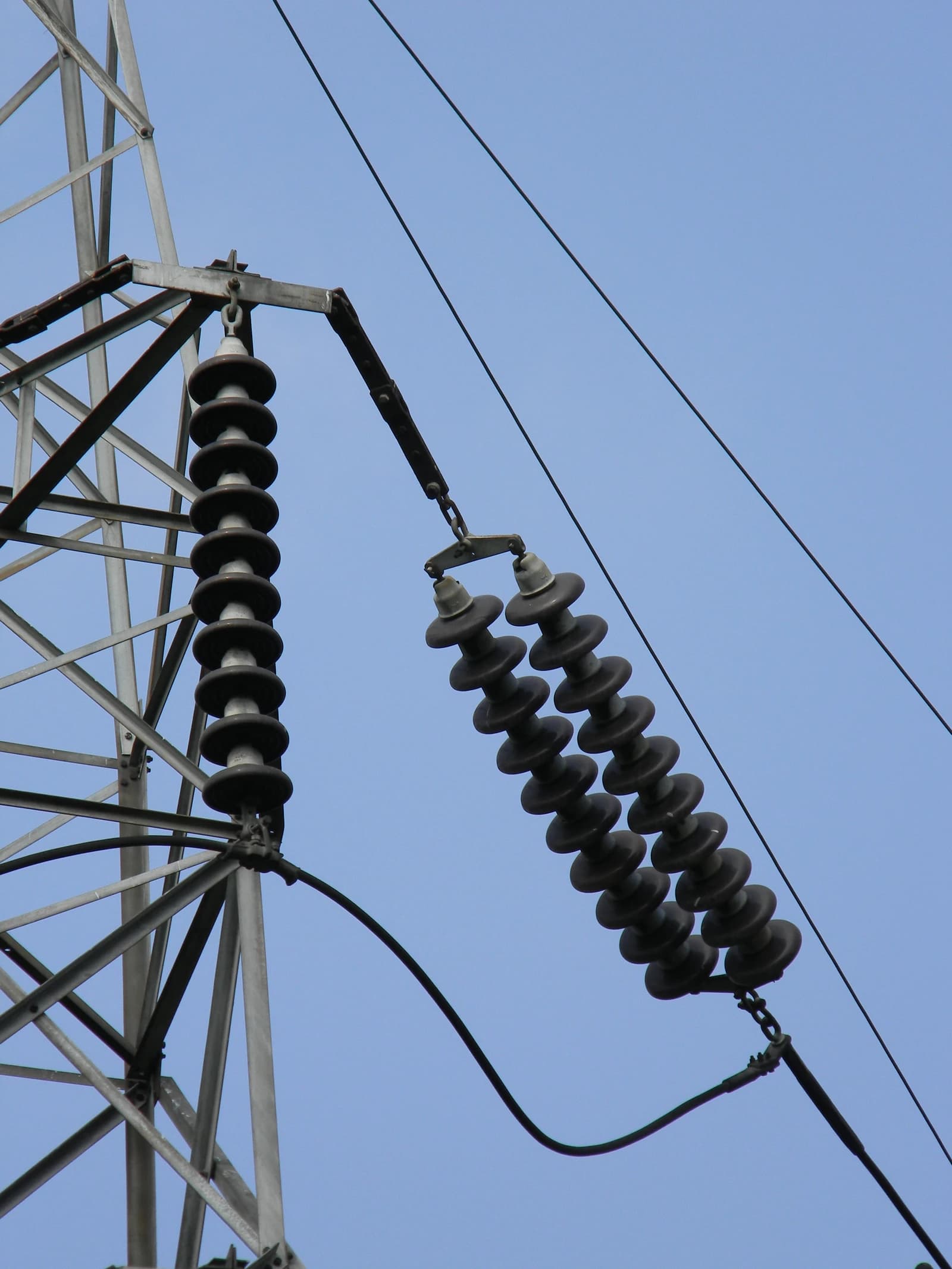
That matters because every rupee spent on substations, transmission and distribution is a rupee spent unlocking economic activity that was previously capped by unreliable power. Rural electrification is moving beyond access and into capacity, quality and resilience, and that is where the next wave of returns in the power ecosystem will be created. For investors, the message is clear: the most attractive exposure is shifting from pure generation plays to grid infrastructure, utility services and equipment suppliers that profit when the system is upgraded rather than merely expanded.
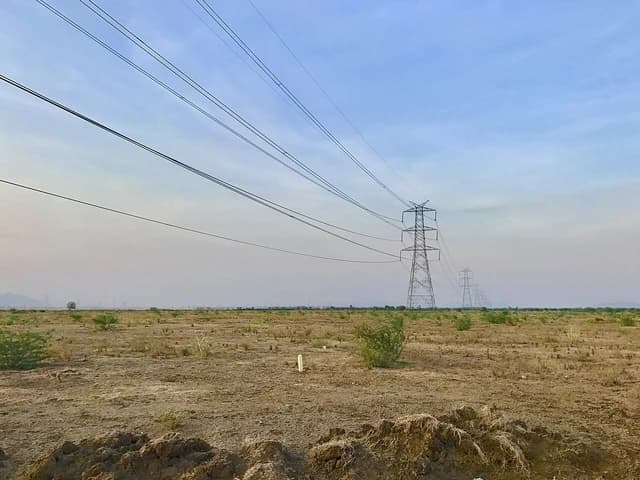
The Sumerpur project is especially telling because a 132 KV hi-tech grid is not a symbolic village-level fix. It is heavy-duty infrastructure designed to support wider load growth, industrial demand and more stable distribution across a cluster of settlements. In India and across emerging markets, that kind of spend tends to trigger follow-on investment in transformers, conductors, switchgear, automation, metering and maintenance — the unglamorous but essential layers of the energy transition. The market often chases solar panels and battery headlines, but the more durable cash flows may come from the toll roads of power: the grid and everything attached to it.
That is why the current setup is so important for positioning. Power-sector congestion has become a global theme, from Europe’s strained networks to U.S. utilities warning about rising load from electrification and data centers. India is facing the same structural truth at a different scale: demand is rising faster than legacy infrastructure can handle, and governments are being forced to spend. For listed names, that supports companies tied to transmission buildout, distribution modernization and financing structures around infrastructure assets. It also reinforces the case for capital-light investors in clean energy and grid resilience, including names such as NextEra Energy and Hannon Armstrong Sustainable Infrastructure Capital, where the upside comes from long-duration contracted or infrastructure-linked cash flows rather than commodity swings.
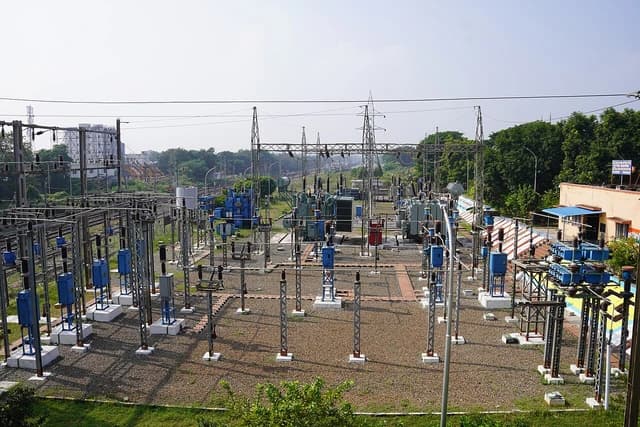
The technical picture in HASI and NEE also reflects how investors are beginning to price that theme. NextEra Energy has climbed back above both its 50-day and 200-day moving averages, with RSI readings back in a constructive range after a sharp spring selloff, while Hannon Armstrong has stabilized near its 50-day trend as the stock works off earlier weakness. These are standard technical indicators, but they matter because they show capital is rotating back toward infrastructure beneficiaries as the grid story gains credibility.
The bigger thesis is that grid spending is becoming a secular megatrend, not a cyclical afterthought. If the next decade is defined by AI, electrification and industrial reshoring, then the winners will be the companies that move power reliably from point A to point B. Sumerpur’s Rs 76 crore upgrade is a small headline with a large implication: the infrastructure supercycle is still in the early innings, and investors who own the grid winners now are positioning ahead of the next leg of compounding.
| Entity | Gains | Losses |
|---|---|---|
| Grid equipment makers | ▲Order flow from new substations | ▼Legacy underinvestment story |
| Transmission utilities | ▲Higher asset base and returns | ▼Congestion-driven outages |
| Rural households/businesses | ▲Better reliability and capacity | ▼Power shortages |
| Pure generation-only investors | ▲Indirect benefit only | ▼Miss grid monetization upside |




