Grocery prices are emerging as the most economically painful part of the inflation story, keeping household budgets under pressure even as broader consumer prices have cooled from earlier peaks. June retail inflation climbed to 4.38%, above the Reserve Bank of India’s target and the first time in 17 months it has moved back over that threshold, with essential food and grocery items doing much of the damage.
India Grocery Inflation Pressures Retail Margins

That matters because groceries are not a discretionary purchase. When prices rise in staples, consumers have little ability to delay spending or trade down indefinitely, so the hit shows up quickly in real purchasing power. The result is weaker room for spending on non-essentials, a more cautious consumer and a policy dilemma for central bankers who must balance food-driven inflation against signs of slower growth.
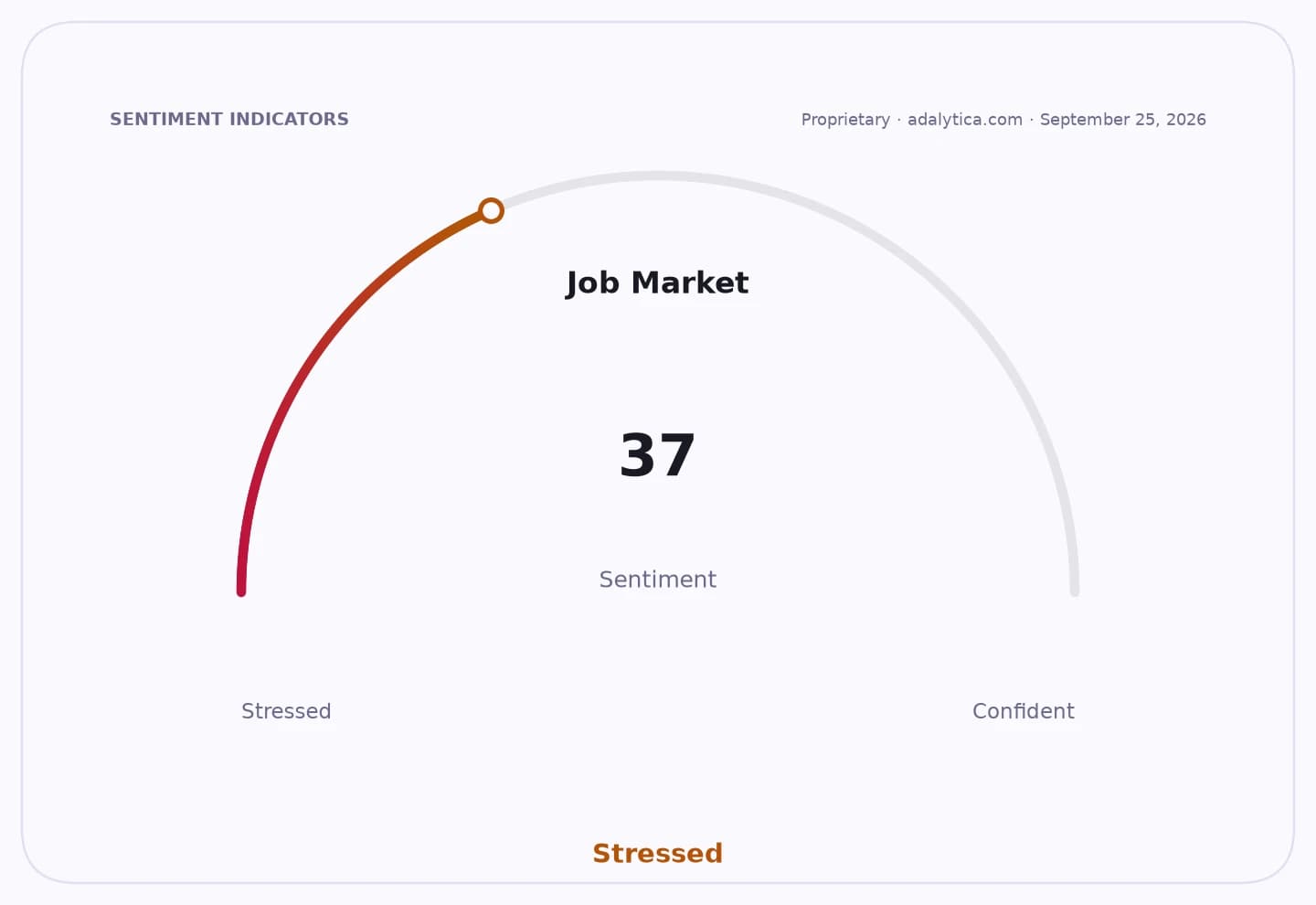
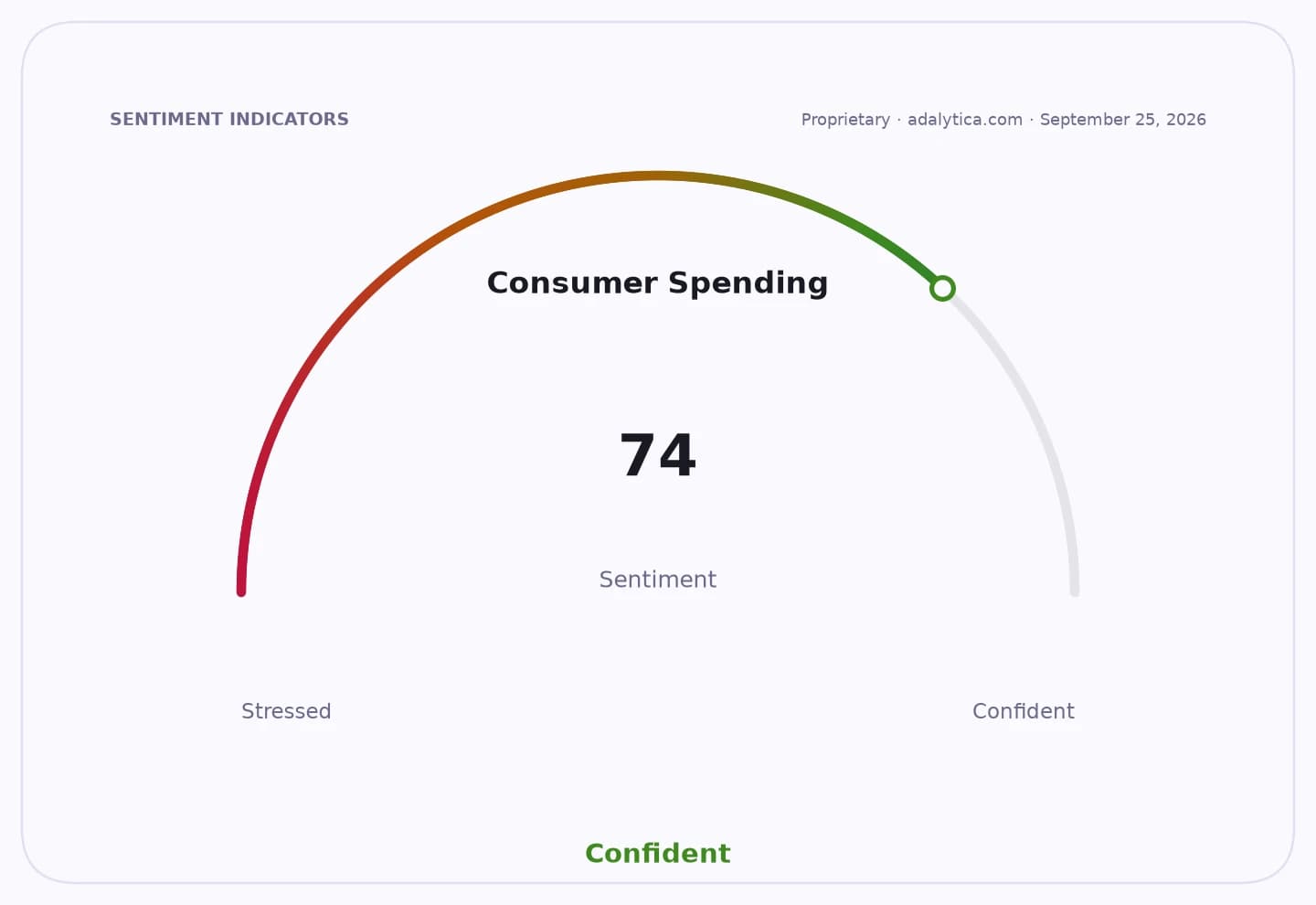
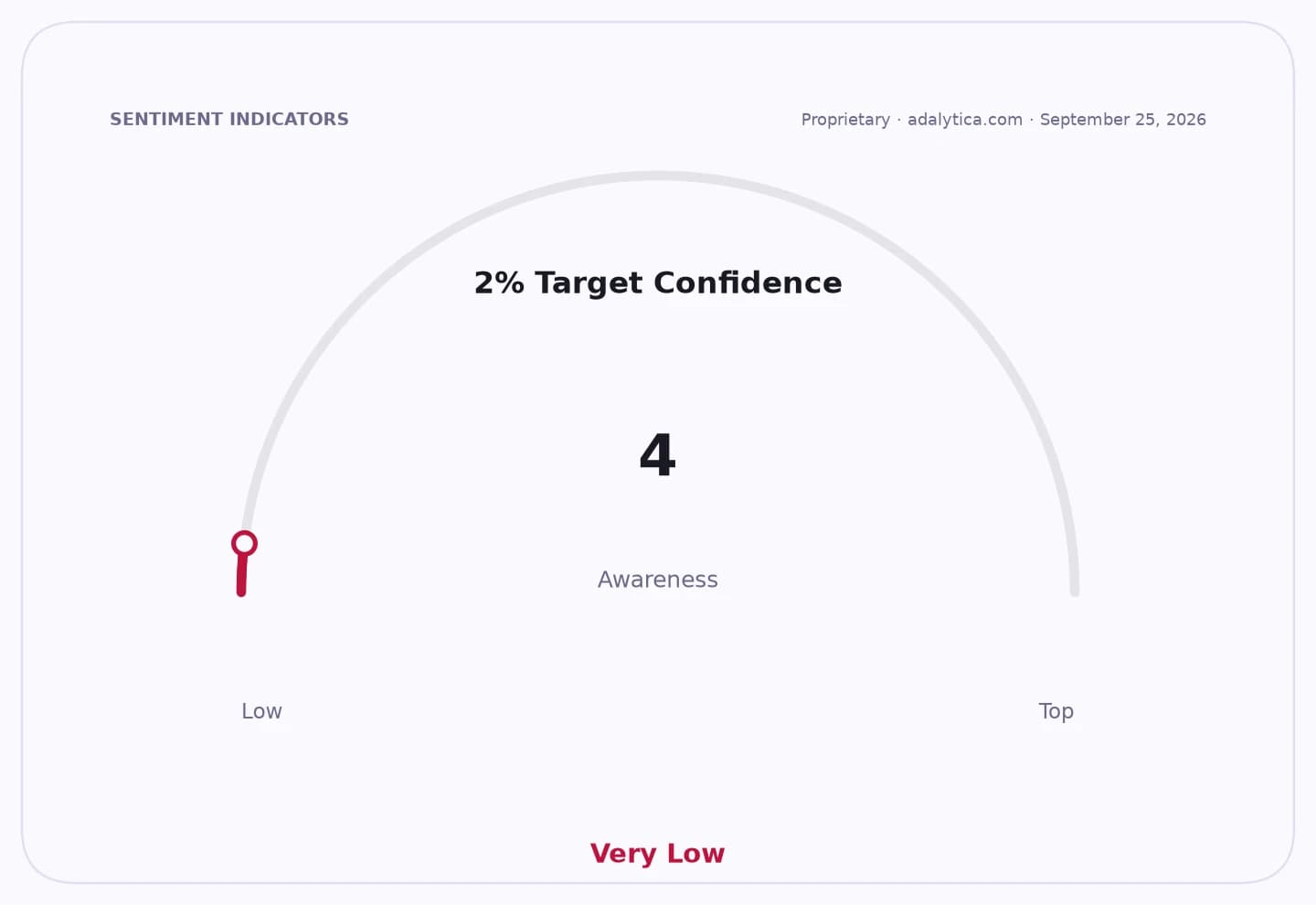
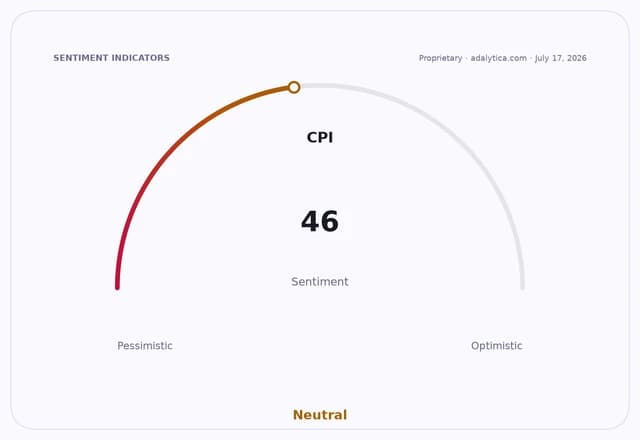
Sentiment IndicatorsⓘProprietary · adalytica.com · July 17, 2026
This is a snapshot — live sentiment, awareness and momentum for 130+ markets update continuously in the dashboard.Open AlphaPulse

The pressure is not confined to the shop floor. Wholesale inflation also jumped to a 27-month high of 9.9%, pointing to cost inflation deeper in the supply chain and raising the odds that retail food prices stay elevated longer than policymakers want. In other words, the problem is not just a one-month spike in tomatoes or onions; it is a broader cost backdrop that can keep supermarket shelves expensive and margins under strain.
For investors, the message is two-sided. Defensive food retailers and warehouse clubs can benefit from shoppers trading down and buying more essentials, but they are not immune to margin pressure. Costco said in its latest filing that core merchandise gross margin, as a percentage of core merchandise sales, fell nine basis points, driven mainly by fresh foods and foods and sundries. The company also said it sometimes cuts or holds prices to support sales and compete, even when costs rise, a reminder that inflation can help revenue while squeezing profitability.
Walmart has also warned that tariffs, taxes and other economic and geopolitical shifts can unsettle its operating environment, while Kroger cited higher transportation costs, fuel mix and price investments as drags on margins in its latest filing. That combination suggests grocery inflation can lift nominal sales but complicate earnings quality, particularly if retailers absorb costs to protect market share.
The market reaction has reflected that tension. Costco shares have been volatile and remain below recent highs even after a sharp run-up earlier this year, while Walmart has also retreated from its peak. Technical indicators point to that caution: Costco’s stock has slipped back below its 50-day moving average and its RSI has cooled from overbought levels, while Walmart has been fighting to stabilize after a steep drop from February highs. The read-through is that investors still like grocery exposure as a shelter, but they are no longer willing to pay any price for it.
The broader narrative is that inflation is becoming less about headline rates and more about stubborn essentials. As long as food costs stay elevated, consumers will feel poorer even when other categories ease, and policymakers will have less freedom to cut rates aggressively. The next catalysts are whether wholesale price pressures pass through into retail food prices again and whether supermarket chains can preserve traffic without sacrificing too much margin.
| Entity | Gains | Losses |
|---|---|---|
| Supermarket chains | ▲Higher sales on staples | ▼Margin pressure from price investments |
| Consumers | ▲More value formats and promotions | ▼Weaker household budgets |
| Central bankers | ▲Clearer inflation focus | ▼Less policy room to ease |
| Defensive retailers | ▲Trade-down traffic | ▼Cost inflation and lower gross margin |