India’s plan to make 1.4 lakh 10-kilogram gas cylinders in six months lands at a time when global energy markets are under fresh strain from geopolitical risk, making the move more than a supply-chain footnote for households and investors.
India’s Small LPG Cylinder Push
The cylinders matter because they sit at the intersection of consumer relief, subsidy policy and energy security. With the Strait of Hormuz threat hanging over crude and LNG flows, import-dependent markets are looking for ways to cushion households from another round of fuel volatility. For India, where LPG is a core cooking fuel and a politically sensitive consumer good, faster availability of smaller cylinders can ease retail shortages, improve last-mile supply and reduce the pressure that comes with imported fuel cost swings.
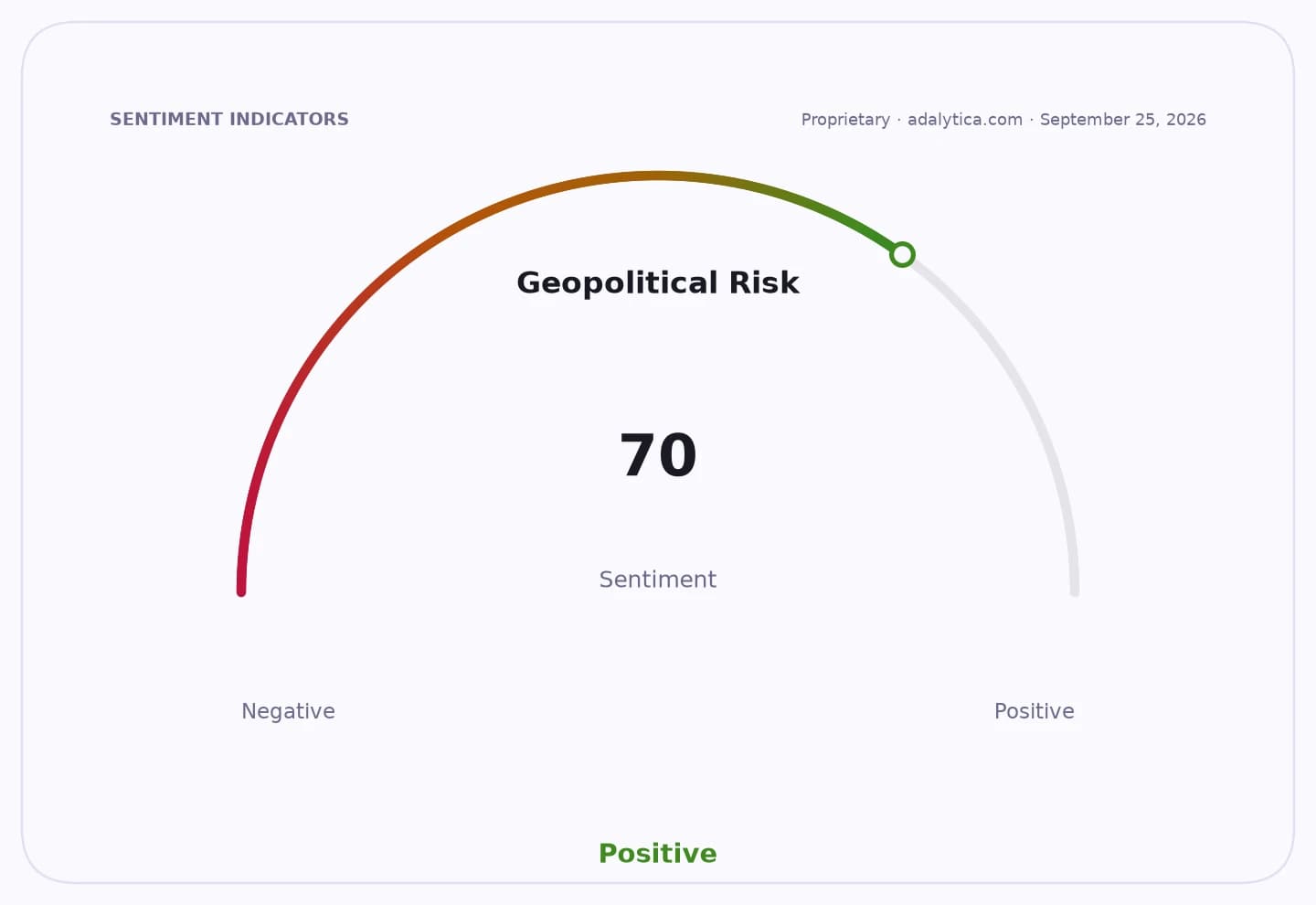
Sentiment IndicatorsⓘProprietary · adalytica.com · July 18, 2026
This is a snapshot — live sentiment, awareness and momentum for 130+ markets update continuously in the dashboard.Open AlphaPulse
The broader backdrop is unfavorable for importers. Oil is forecast around $78.15 a barrel on July 14 after a recent run-up, while US CPI is expected to rise 0.89% month on month in July, a reminder that energy inflation remains a live issue. Global producer prices are also projected to climb 3.14%, underscoring that higher input costs can ripple through fuel, transport and packaged-goods pricing.
For investors, the story is about margins and policy risk as much as volumes. Utility-led LPG expansion can support distribution companies and cylinder makers if demand rises, but it can also bring tighter scrutiny over pricing and subsidies if the government leans harder on affordability. Energy importers, refiners and logistics firms stand to gain from stronger domestic distribution, while consumers and downstream industries benefit if supply improves and bottlenecks ease.
The key question now is whether the supply push is enough to offset any further disruption in global gas and crude flows. If geopolitical tension broadens or oil climbs again, the relief from new cylinders could be temporary rather than structural.
| Entity | Gains | Losses |
|---|---|---|
| Utility/LPG distributors | ▲Higher cylinder volumes | ▼Margin pressure from subsidies |
| Indian households | ▲Better LPG access | ▼Less protection if import costs rise |
| Importers/refiners | ▲Stronger distribution demand | ▼Exposure to fuel-price volatility |
| Global energy sellers | ▲Higher pricing power | ▼Demand risk if India diversifies |