The final deadline to update cooking gas cylinder e-KYC is set to have real consequences for households, distributors and the government’s subsidy bill, because the move is about more than paperwork — it is how authorities try to make sure subsidized LPG reaches the right consumers.
India LPG e-KYC Deadline and Subsidy Reform
For investors, the bigger lesson is that subsidy programs are getting more targeted across energy markets. When governments tighten verification, they usually aim to cut leakage, reduce duplicate beneficiaries and control fiscal costs. That matters in a country where fuel and cooking gas remain politically sensitive, and where every rupee saved on subsidies can be redirected toward infrastructure, welfare or deficit reduction.
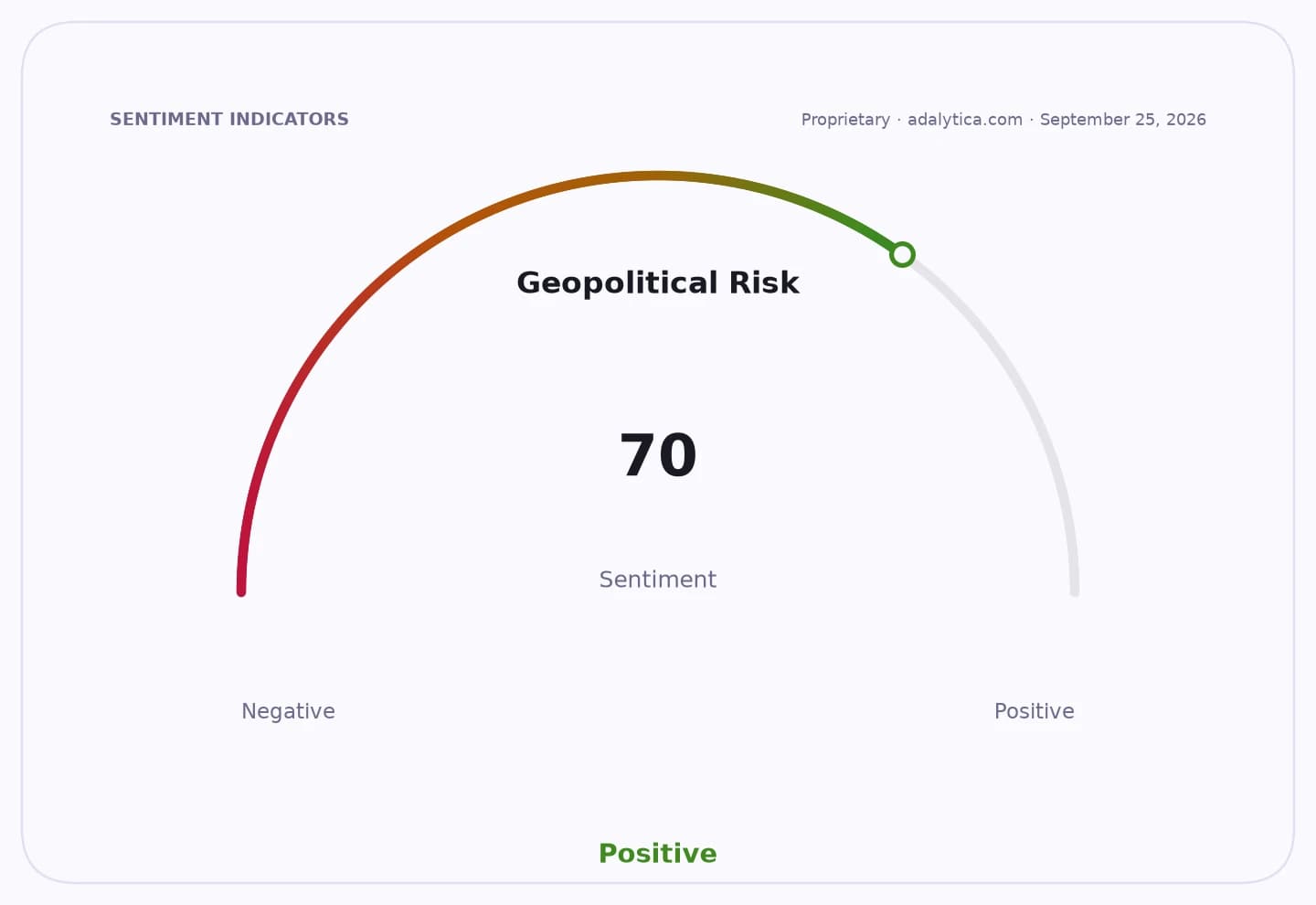
Sentiment IndicatorsⓘProprietary · adalytica.com · August 14, 2026
This is a snapshot — live sentiment, awareness and momentum for 130+ markets update continuously in the dashboard.Open AlphaPulse
The economics are straightforward. A verified customer base makes it easier to manage distribution, plan cylinder demand and limit abuse in a system that has often been vulnerable to ghost accounts and misallocation. In the short term, some consumers who miss the deadline could face delays or interruptions in subsidy-linked benefits. In the longer run, cleaner databases tend to improve efficiency for oil marketing companies and reduce administrative friction for the state.
That also helps explain why energy policy in the region is shifting toward sharper targeting rather than broad, expensive support. Governments are under pressure to protect lower-income households while avoiding blanket subsidies that distort prices and strain budgets. The same logic is visible elsewhere in Asia, where authorities are also looking to restrict fuel benefits that flow to wealthier users instead of intended recipients.
For investors, the relevance is less about a one-day deadline and more about the direction of travel. Subsidy reform can support healthier public finances and a more disciplined energy distribution system, even if it creates temporary annoyance for consumers. Companies tied to fuel logistics and distribution generally benefit from clearer rules, while households that fail to comply bear the cost of missing out on benefits.
The practical takeaway is simple: this is a policy update worth acting on, not ignoring. If you rely on subsidized LPG, the e-KYC step is about protecting access. If you invest with a multi-year horizon, it is another reminder that governments are steadily moving toward tighter, more efficient subsidy systems — a trend worth watching.
| Entity | Gains | Losses |
|---|---|---|
| Government | ▲Lower subsidy leakage | ▼Political headaches |
| Verified LPG consumers | ▲Continued subsidy access | ▼None |
| Non-compliant consumers | ▲None | ▼Delayed benefits |
| Energy distributors | ▲Cleaner records | ▼More admin work |