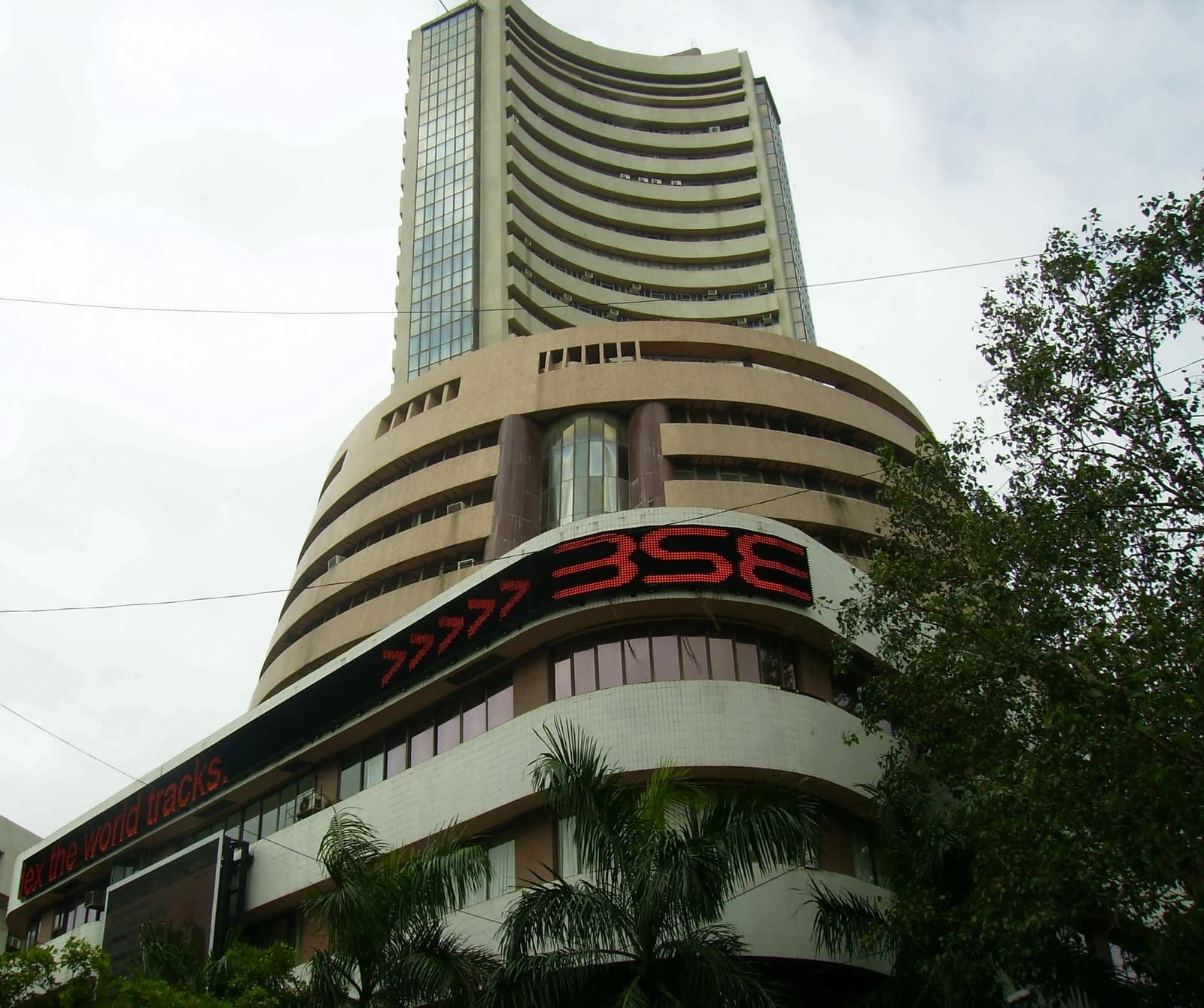
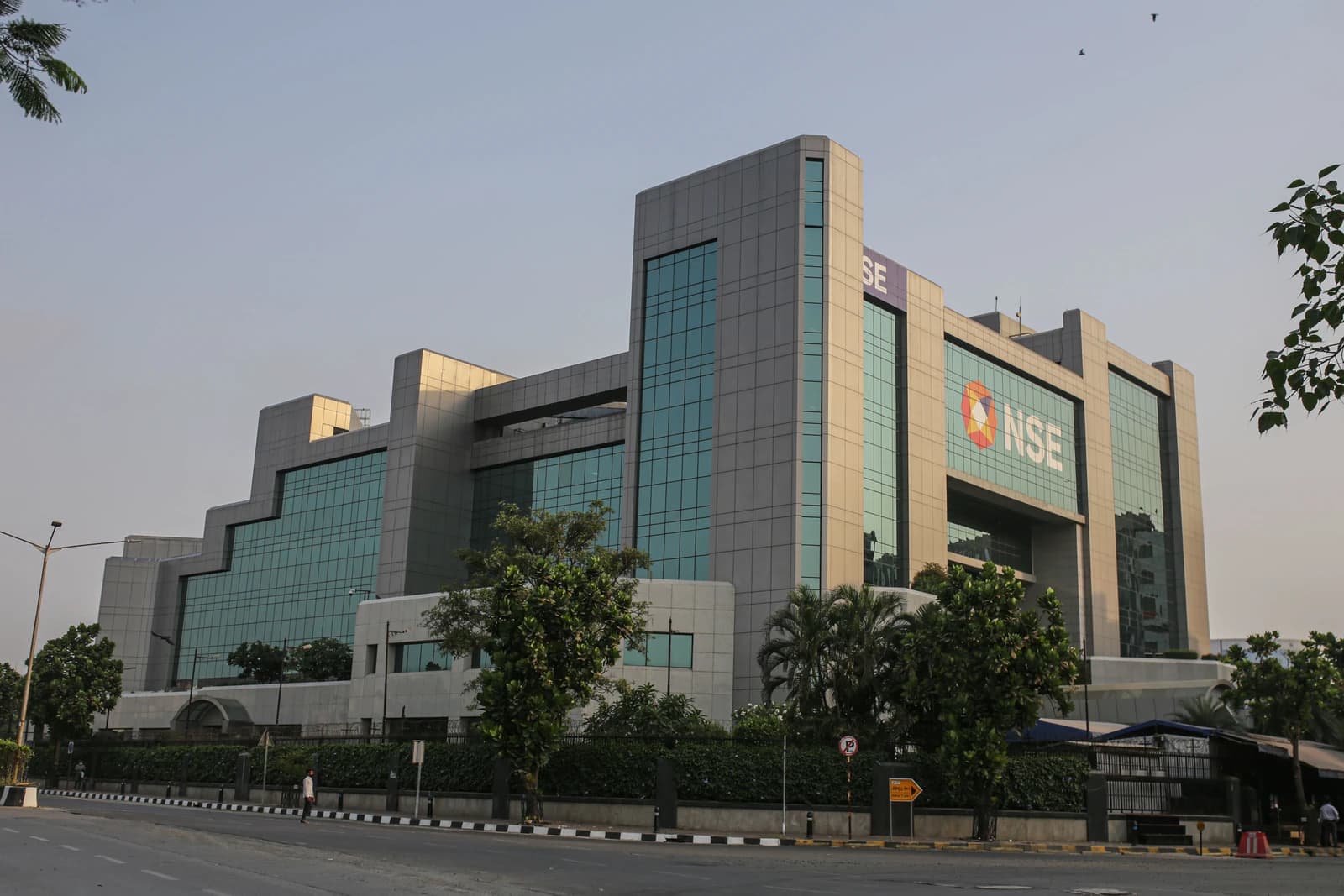
Indian equities will go offline for a three-day trading break next week, with the NSE and BSE shut on Friday, Oct. 2, for Gandhi Jayanti, leaving investors with a shortened four-session week and a longer window for global cues to build before markets reopen.
India markets close for Gandhi Jayanti holiday

The closure matters because it comes at a time when world markets are being driven by the same forces that have been whipsawing Indian stocks: higher oil prices, inflation worries and uneven risk appetite. A holiday pause does not change fundamentals, but it can amplify the impact of any moves in global futures, currency markets and commodities while domestic traders are sidelined.
Sentiment IndicatorsⓘProprietary · adalytica.com · October 2, 2026
This is a snapshot — live sentiment, awareness and momentum for 130+ markets update continuously in the dashboard.Open AlphaPulse
The timing is especially relevant after a volatile finish to the week. The Sensex rose 0.43% to 73,895.74 on Friday and the Nifty gained 0.34% to 23,140.50, a modest rebound after the previous session’s sharp decline pushed benchmarks to more than three-month lows. On a weekly basis, however, both indexes finished lower, with the Sensex down 0.53% and the Nifty off 0.88%, underscoring how fragile sentiment remains.
For investors, the main issue is not the holiday itself but what accumulates during the break. When trading resumes, Indian stocks will have to digest movements in overseas markets, especially crude oil and U.S. rates, which are feeding concerns about imported inflation and earnings pressure. A sustained rise in energy costs would be a headwind for oil-importing India, widening the current-account burden and squeezing margins for transport, logistics, chemicals and consumer companies.
Technical positioning also suggests the market is not entering the break from a position of strength. The Nifty and Sensex remain below recent highs, while broader market performance has been mixed, with mid-cap stocks weaker than large caps. That points to caution rather than conviction, and holiday closures can leave traders wary of carrying risk when liquidity is absent and overseas news can reprice assets sharply.
The global backdrop is not uniformly negative. Tokyo’s Nikkei has been supported by AI-related buying and a weaker yen, showing that select markets can still rally even as macro fears linger. But the Dow’s steep fall and the broader rise in oil prices show why investors remain sensitive to inflationary pressure and why a market holiday can be a double-edged sword: it reduces immediate trading, but it does not reduce the risk of a gap move when India reopens.
For active investors, the takeaway is straightforward. The Gandhi Jayanti closure creates a brief pause in a market already struggling for direction, and the next real move is likely to depend less on domestic news than on whether global inflation and energy prices stabilize before the Nifty and Sensex trade again.
| Entity | Gains | Losses |
|---|---|---|
| Exchange holiday observers | ▲Get a trading break | ▼Miss active market participation |
| Cash holders | ▲Avoid weekend gap risk | ▼Lose short-term trading opportunities |
| Oil importers / inflation-sensitive sectors | ▲None | ▼Face pressure from higher crude and costs |
| Index bulls | ▲Can reset after weak week | ▼Need stronger global cues to regain momentum |