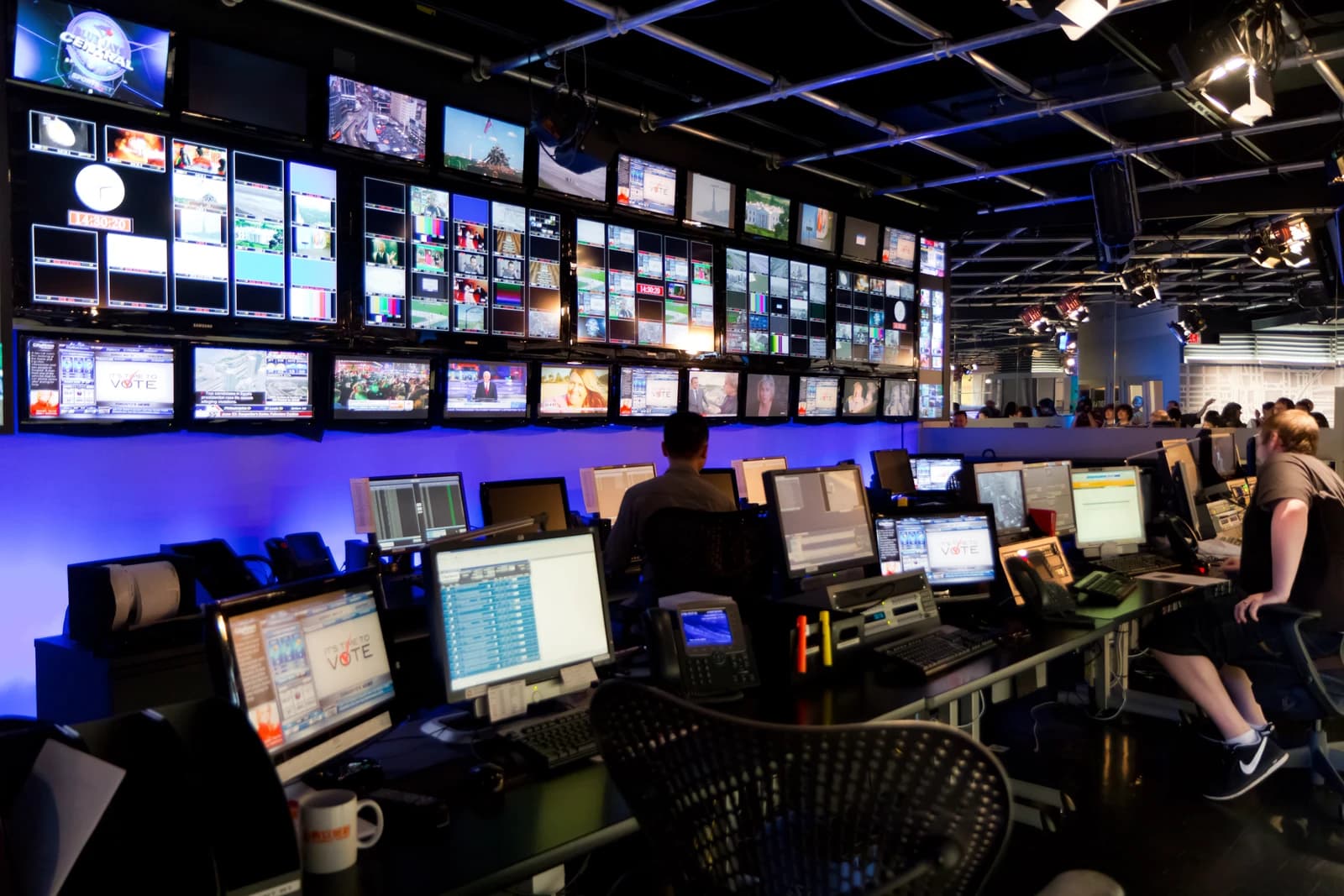
India’s broadcasting ministry has told satellite TV channels to rein in inflammatory debates, avoid showing live anti-terror operations and use artificial intelligence only in an assistive role, a move that raises compliance risk for newsrooms at a time when regulators are tightening the screws on content standards.
India media ministry tightens TV debate and AI rules
That matters because television news still shapes public sentiment in a country of more than 1.4 billion people, and the government is signaling it is willing to treat reckless broadcasting as a policy issue, not just an editorial lapse. For investors, the message is broader: media companies, advertising-heavy broadcasters and AI-enabled production vendors now face a more intrusive regulatory backdrop in one of the world’s largest media markets.
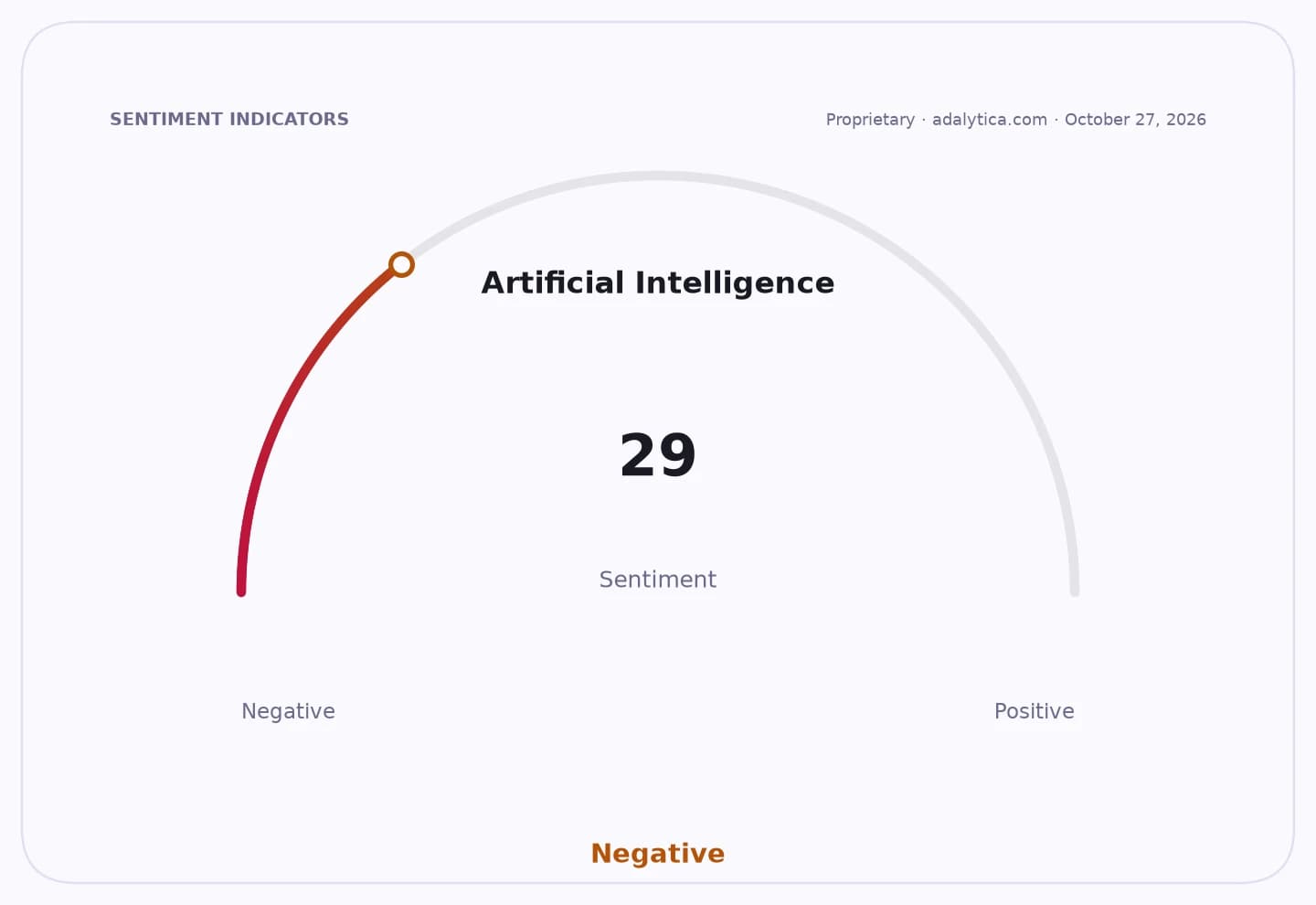
Sentiment IndicatorsⓘProprietary · adalytica.com · October 27, 2026
This is a snapshot — live sentiment, awareness and momentum for 130+ markets update continuously in the dashboard.Open AlphaPulse
The advisory from the ministry of information and broadcasting told private satellite channels to follow the Programme Code under the Cable Television Networks Act and rules, and warned that violations may attract action under the law. It specifically cited live coverage of anti-terror operations, violent visuals, crime reporting, natural disasters, authentic maps of India, communal harmony and the identities of sexual assault victims.
The ministry also singled out debate shows and panel discussions, saying they should not “promote or encourage communal or anti-national attitudes.” That is significant in a market where round-the-clock news is often built around high-decibel studio debates, a format that can drive ratings but also regulatory scrutiny when commentary spills into provocation.
The AI clause is just as important for the media business model. Broadcasters were cautioned to use generative AI carefully in graphics and virtual news presentations, with the ministry saying such tools should remain limited to assistive use without undermining the “accuracy, authenticity, or sensitivity” of news content. That is a warning shot to any newsroom using automated anchors, synthetic visuals or AI-assisted editing to cut costs and speed up output.
For investors, the second-order effect is that compliance and editorial controls are becoming a cost center. Broadcasters may need more legal review, fact-checking, training and content governance, while technology suppliers pitching AI-enabled newsroom tools will need to prove they can help without creating liability. The market often prices AI as a margin lever; in regulated media, it can also become a reputational and legal risk.
The bigger narrative is that India is moving to police the intersection of broadcast media, social tensions and generative AI before a major accident forces its hand. That creates winners and losers: incumbents with stronger compliance systems and disciplined editorial standards are better positioned, while outlets that rely on sensationalism or sloppy AI production could face fines, content restrictions or audience backlash.
For long-term investors, the takeaway is clear: treat Indian media regulation as a structural theme, not a one-off headline. The companies most likely to outperform will be those that can monetize scale without inviting regulatory heat, while AI infrastructure and media-tech vendors that build verification and governance into their products may be the hidden beneficiaries.
| Entity | Gains | Losses |
|---|---|---|
| Compliant broadcasters | ▲Lower regulatory risk | ▼Less room for sensationalism |
| Loosely governed TV channels | ▲None | ▼Fines and scrutiny |
| AI media vendors with guardrails | ▲Demand for safe tools | ▼Hype around unchecked automation |
| Viewers and advertisers | ▲More reliable content | ▼Fewer high-drama debate formats |