India’s microfinance strain is starting to ease, giving lenders and the broader financial sector some relief after a sharp rise in bad debts earlier this year.
India microfinance strain eases for lenders
The improvement matters because microfinance has been a useful pressure gauge for household finances in India: when lower-income borrowers fall behind, it often shows up first in small-ticket lenders before filtering through to banks, consumption and credit growth. A decline in debt-stressed borrowers suggests the worst of the repayment shock may be passing, even as credit quality remains fragile.
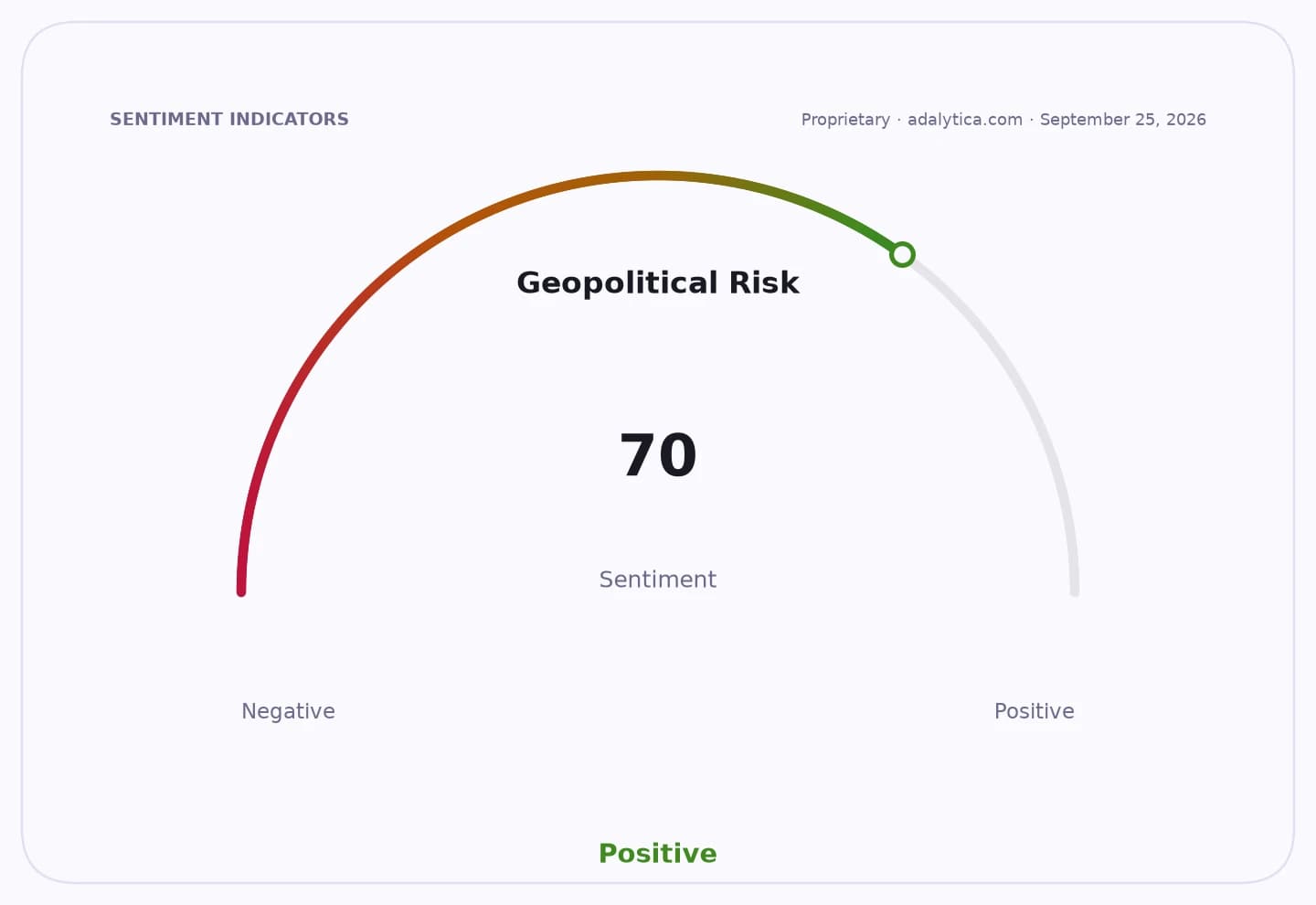
Sentiment IndicatorsⓘProprietary · adalytica.com · August 18, 2026
This is a snapshot — live sentiment, awareness and momentum for 130+ markets update continuously in the dashboard.Open AlphaPulse
The backdrop is still weak. Bad debt levels jumped to their highest since mid-2020 in the second quarter of 2026, and banks boosted provisions to absorb expected losses. But coverage ratios still fell, meaning the cushion against future defaults is thinner than it should be. That combination has been a warning sign for lenders with exposure to unsecured consumer credit and microfinance portfolios.
For investors, the significance is twofold. First, easing stress reduces the risk of another round of earnings downgrades for banks and non-bank lenders tied to rural and mass-market borrowers. Second, it helps support sentiment around India’s financials more broadly, where credit growth and asset quality have become the key debate rather than loan demand alone.
The market backdrop points to a sector that has been bruised but not broken. India-focused ETF INDA has recovered to about $49.58 from its March lows near $45, while technicals show the fund hovering around its 50-day moving average with momentum no longer oversold. That does not amount to a decisive breakout, but it does suggest investors are less willing to price in a severe deterioration in domestic credit conditions.
The bull case is that falling borrower stress marks the beginning of normalization as incomes stabilize and delinquency pressure eases. The bear case is that provisions can only do so much if repayment behavior deteriorates again, especially with coverage ratios already under pressure. A renewed rise in bad debts would likely hit lenders with microfinance and unsecured consumer exposure first.
For now, the story is less about a clean recovery than a less painful one. If the trend in debt-stressed borrowers continues, it should help cap credit costs, support bank profitability and ease concern that India’s lower-income households are becoming a broader drag on growth.
| Entity | Gains | Losses |
|---|---|---|
| Banks and NBFC lenders | ▲Lower credit costs | ▼Less need for fresh provisioning |
| Microfinance borrowers | ▲Easing repayment pressure | ▼Less access to emergency refinancing |
| India financial stocks | ▲Better sentiment | ▼Fewer distress-driven selloffs |
| Credit-risk investors | ▲Lower default tail risk | ▼Smaller risk premia |