The Supreme Court’s decision on whether India can keep outsourcing passport and visa services at key missions matters because it will shape how millions of travelers, expatriates and businesses access a basic government service that sits at the intersection of mobility, trade and public administration.
India court case tests passport outsourcing

For investors, the case is less about a single tender and more about whether the state continues to lean on private operators to deliver high-volume citizen services. If the outsourcing framework survives, it would reinforce a model that has aimed to reduce bottlenecks, speed appointments and widen access at crowded missions. If the court upholds the High Court order that scrapped the tender, the government may have to redesign the system, potentially pushing more of the workload back onto the public sector and forcing another round of procurement.
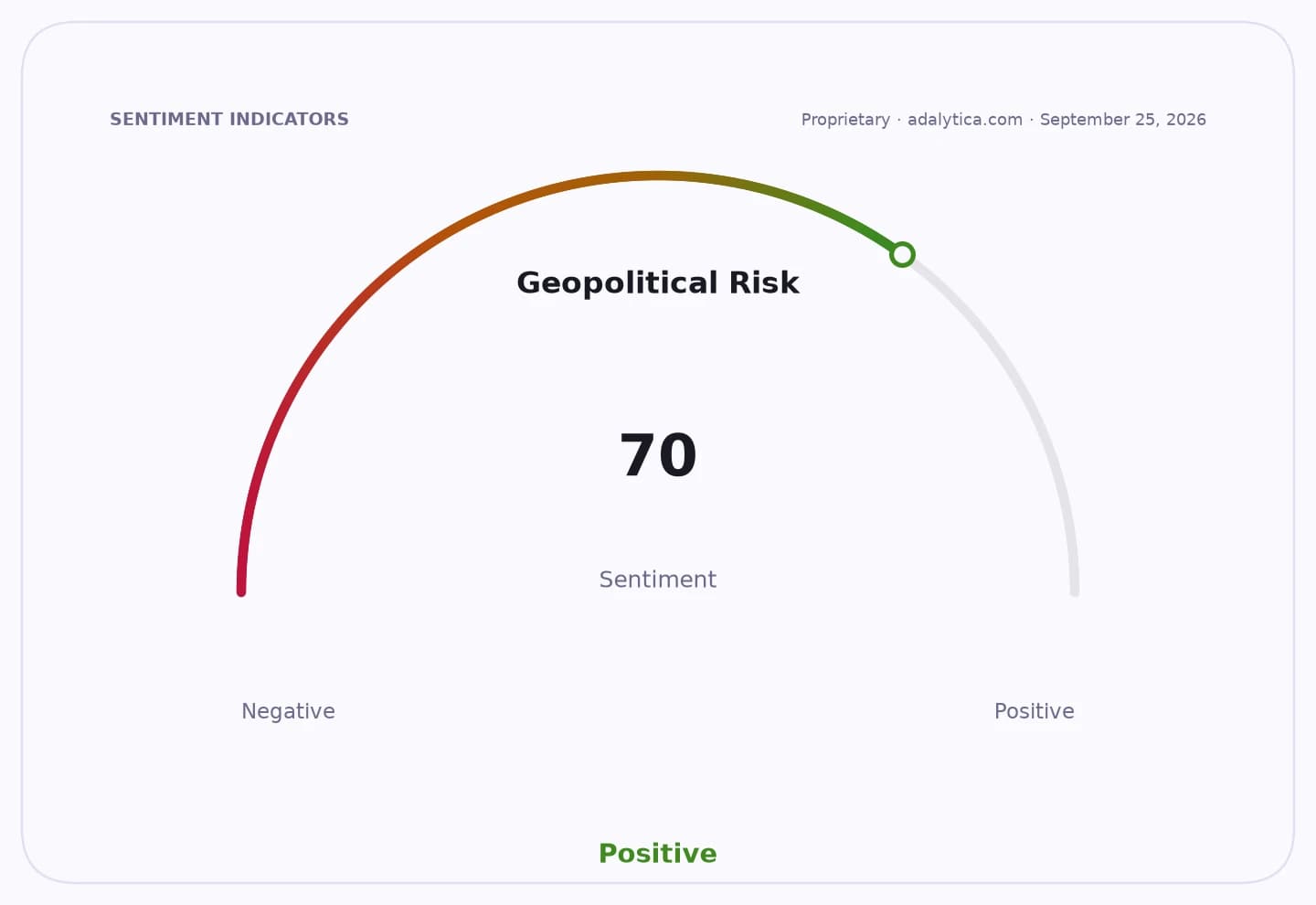
Sentiment IndicatorsⓘProprietary · adalytica.com · July 20, 2026
This is a snapshot — live sentiment, awareness and momentum for 130+ markets update continuously in the dashboard.Open AlphaPulse
That uncertainty matters economically because passport and visa processing is part of the plumbing that supports labor mobility, overseas study, tourism and cross-border business. For a country with a large diaspora and growing international travel demand, delays or disruption at key missions can ripple beyond inconvenience. They can affect expatriates renewing documents, companies moving staff abroad and students trying to travel on time. Even modest friction can translate into lost productivity and higher compliance costs.
The government’s appeal also fits a broader pattern in which New Delhi has tried to streamline services while keeping fees and access politically manageable. Recent discussion about easing passport fees for expatriates and improving appointment booking shows the pressure to make the system cheaper and less cumbersome without sacrificing capacity. Outsourcing is often the quickest way to do that, which is why the court battle is so important: it is really a test of whether efficiency gains from private execution outweigh concerns over process and control.
The stakes are highest for the government, which wants to preserve continuity and avoid a service disruption at Indian missions abroad. Private contractors and service providers would also benefit if the outsourcing model is upheld, while the public sector would face a heavier operational burden if the tender is invalidated. For travelers and employers, the best outcome is the one that keeps processing smooth and predictable.
The Supreme Court’s ruling will therefore be watched closely not just as a legal decision, but as a signal on how India wants to run essential citizen-facing services going forward. For long-term investors, it is another reminder that regulatory certainty and administrative efficiency can be as important as headline growth when evaluating India’s investment case.
| Entity | Gains | Losses |
|---|---|---|
| Government outsourcing model | ▲Preserved continuity | ▼Legal setback if tender scrapped |
| Private service operators | ▲Contract renewal, scale | ▼Loss of business if order stands |
| Travelers and expatriates | ▲Faster processing if upheld | ▼Delays if system is disrupted |
| Public sector missions | ▲Less administrative load | ▼More workload if outsourcing ends |