India’s steelmakers are still benefiting from a powerful domestic demand story, but the market is starting to price in a harder truth: growth in output is only as good as the coal and financing that feed it. With global oil near $78 a barrel and U.S. Treasury yields still around 4.5%, the cost of energy, freight and capital is not fading fast enough to let Indian producers expand cleanly. That is why the best opportunities in the sector may lie less in pure steel volume and more in the toll roads around it — coal supply, mining, logistics and integrated producers with the strongest balance sheets.
India Steel Faces Coal And Financing Squeeze
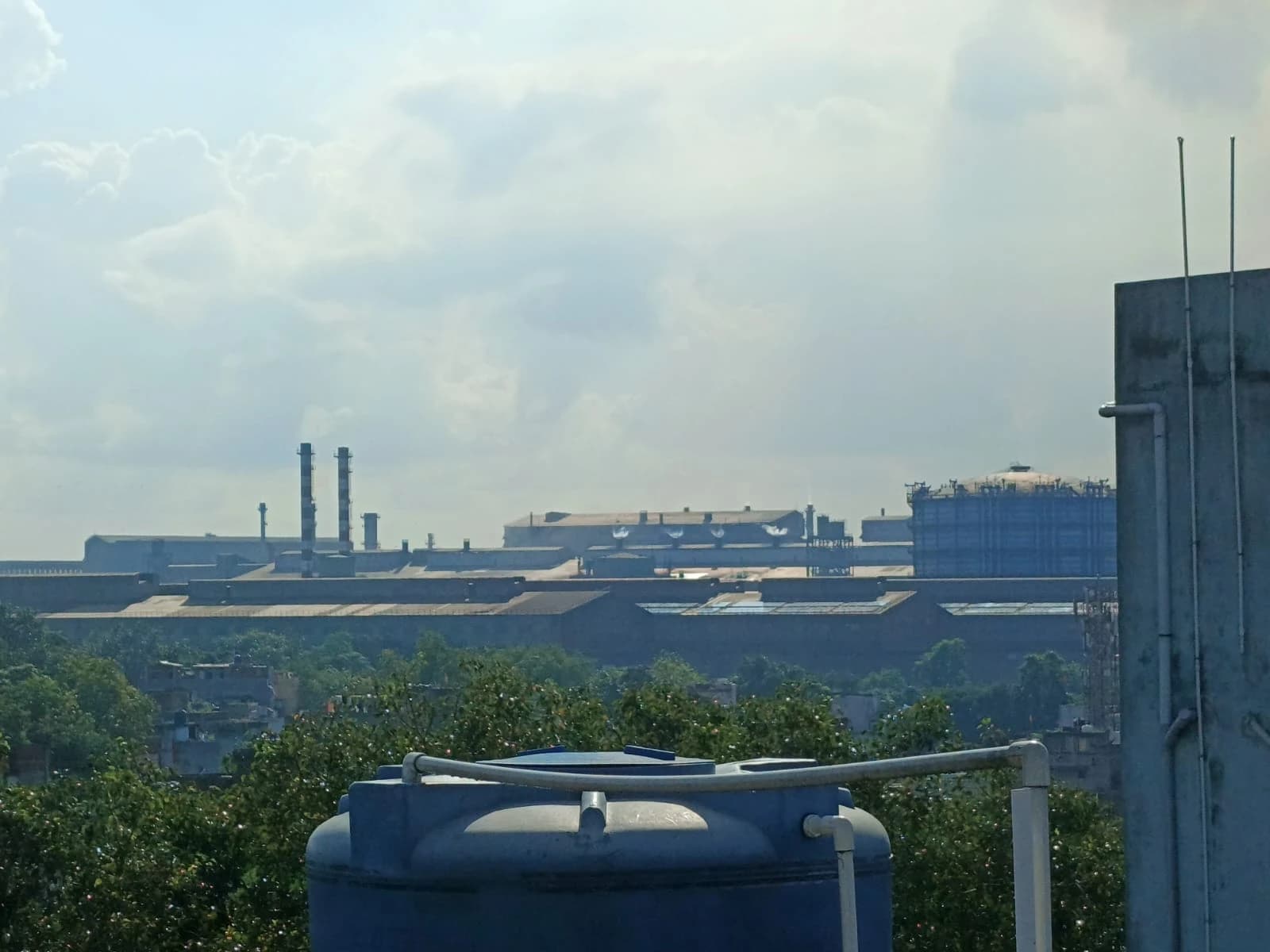
For investors, the key point is that India’s steel ambitions remain real, but they are becoming more capital-intensive and more exposed to raw-material volatility. Steel is not a standalone growth theme; it is an industrial ecosystem. Every tonne of added capacity needs coking coal, power, port handling, rail access and refinancing. When those inputs tighten, margins can compress even if end-demand stays healthy. That is exactly the kind of second-order risk the market tends to miss during an industrial upcycle.
The price action in the sector suggests the squeeze is already being felt. JSW Steel has climbed sharply this year, but its latest move shows the stock is now trading close to its 50-day moving average after a pullback from earlier highs. Tata Steel has also given back part of its earlier surge, with the shares still below their recent peaks and momentum indicators softening. SAIL has been even weaker, with the stock well off its spring highs and its 50-day average rolling over. Those are not disaster signals, but they do tell you the easy part of the trade is over.
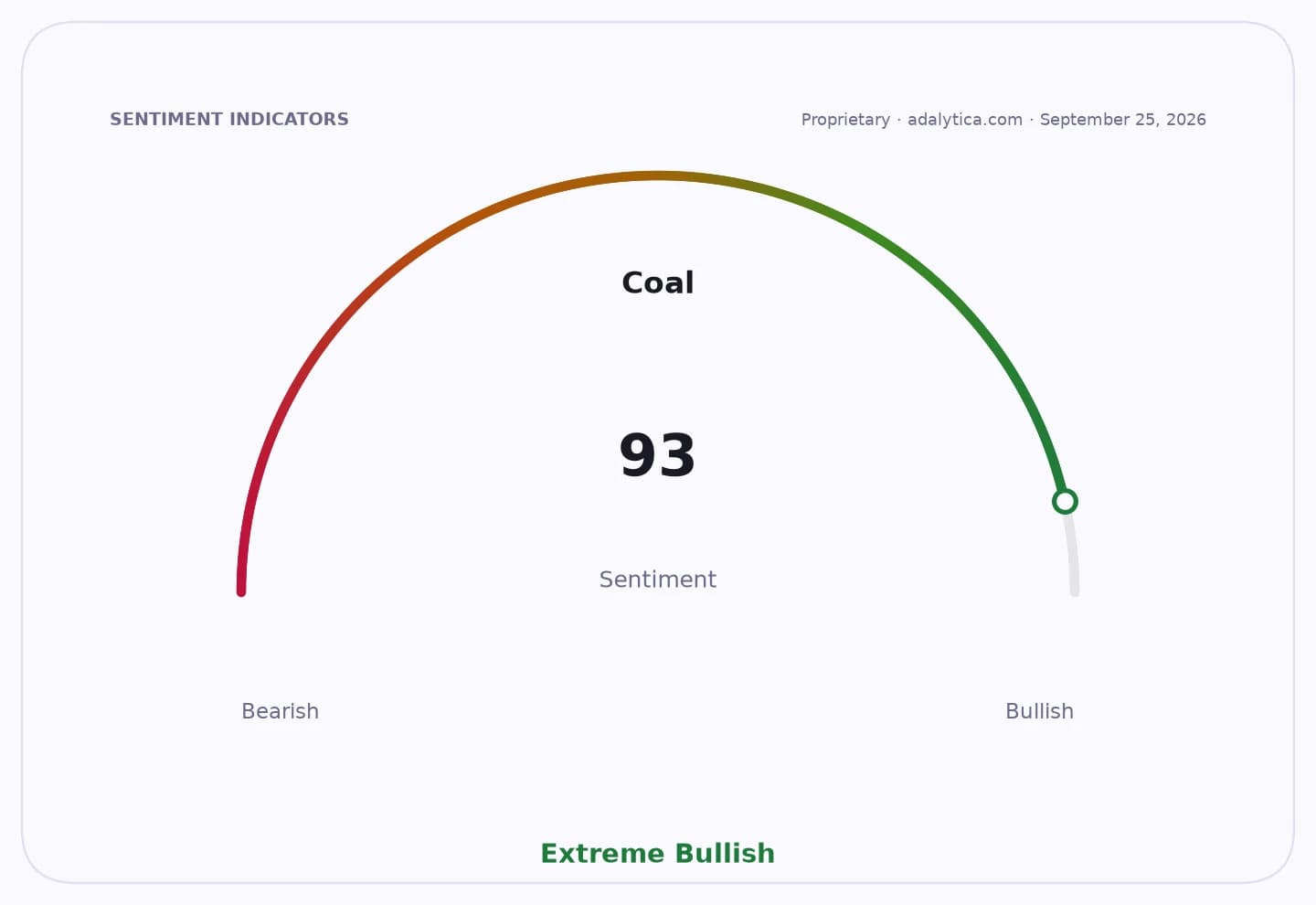
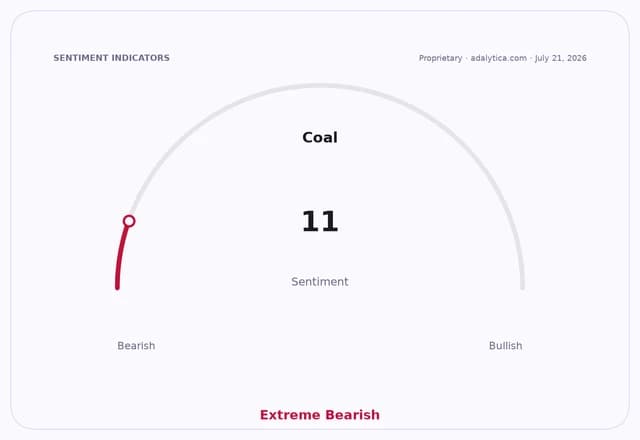
Coal is the bottleneck that matters. Adalytica’s Coal Fear & Greed Index sits at 11, which is deep in “Extreme Fear,” and that matters because steel expansion in India is still heavily dependent on imported coking coal and volatile seaborne pricing. At the same time, global stability sentiment remains in “Extreme Fear,” a reminder that geopolitics and shipping disruptions can quickly spill into raw-material costs. In that environment, the market underestimates how much of the upside in Indian steel capacity growth will be swallowed by input inflation and working-capital needs.
Coal vs JSWSTEEL.NSadalytica.com
Explore this data interactively — full history, time series and cross-market comparisons.Open AlphaPulse
That makes this a stock-picker’s market, not a sector-bet market. Integrated names with captive resources, downstream exposure and pricing power are better positioned than smaller producers that must buy more of their feedstock on the open market. The same is true for coal miners, rail operators, port handlers and industrial logistics firms that profit from the buildout without bearing full commodity risk. If India keeps pushing toward strategic steel self-sufficiency, those businesses become the real compounding machines.
The investment takeaway is simple: don’t chase Indian steel on headline capacity growth alone. I believe the smarter asymmetrical trade is to own the infrastructure and resource enablers of that buildout, while treating pure-play steelmakers as cyclical exposures that remain vulnerable to coal, rates and freight. In a world where raw materials are still expensive and capital is not cheap, the winners are the firms that control the bottlenecks.
| Entity | Gains | Losses |
|---|---|---|
| Coal miners | ▲Stronger demand | ▼None in near term |
| Integrated steelmakers | ▲Scale advantage | ▼Margin pressure |
| Pure-play steel producers | ▲Demand lift | ▼Coal cost squeeze |
| Logistics and rail operators | ▲Higher throughput | ▼Cyclical volatility |