Indian stocks open firmer as crude retreats, giving investors a brief reprieve from the energy shock that has been pressuring the rupee, inflation expectations and earnings outlook.
India Stocks Gain as Crude Retreats
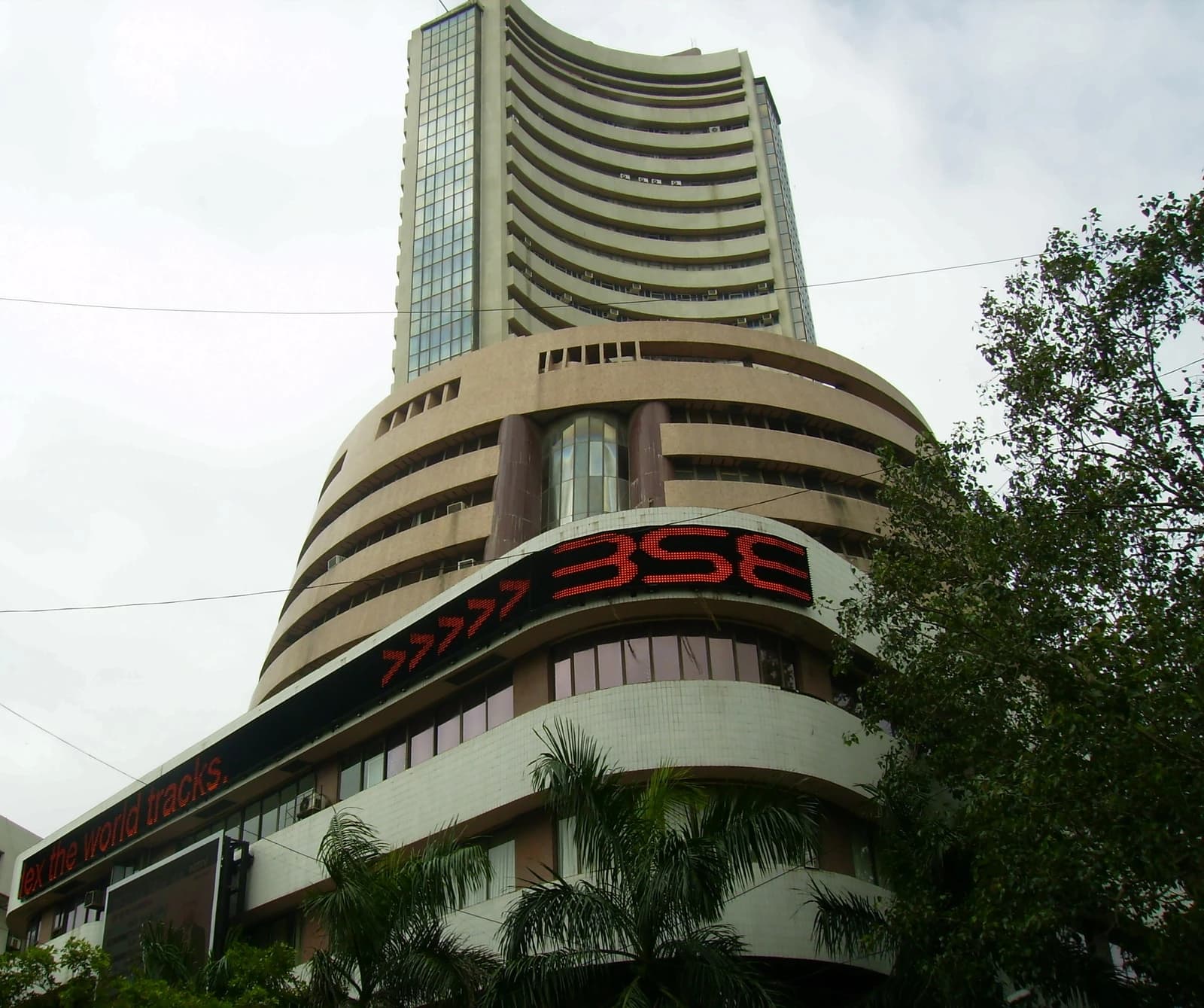
The move matters because India is one of the world's biggest oil importers and a sustained drop in crude can quickly translate into lower import costs, less pressure on the current account and a softer inflation impulse for the economy. That is especially important after June's crude import bill surged 48% to $14.7 billion, highlighting how quickly geopolitical risk can bleed into domestic markets.
Sentiment IndicatorsⓘProprietary · adalytica.com · July 27, 2026
This is a snapshot — live sentiment, awareness and momentum for 130+ markets update continuously in the dashboard.Open AlphaPulse
The Sensex opened 549.21 points higher, with the rally tracking a pullback in oil prices after a sharp run-up tied to US-Iran tensions. Lower crude offers immediate relief to sectors that are sensitive to fuel costs, from aviation and transport to broader consumption names, while also easing concerns that higher energy prices will squeeze corporate margins.
The currency backdrop remains fragile, with the rupee already weakened by the oil spike, and traders are watching whether a sustained decline in crude can reduce demand for dollars from importers. That matters for equities because a weaker oil bill can also temper pressure on bond yields and help foreign investors look past a spike in risk aversion.
Even so, the rebound is more of a relief trade than a full reset. India's market is still exposed to fresh geopolitical escalation, the risk of a US tariff on Russian crude imports and the IMF's warning that elevated oil prices remain a threat to FY27 growth.
For investors, the key question is whether crude keeps easing or whether the latest decline proves temporary. If oil stabilizes lower, Indian equities could get support from improved macros and margin relief; if tensions flare again, the market is likely to give back gains quickly.
| Entity | Gains | Losses |
|---|---|---|
| Indian equities | ▲Relief from oil shock | ▼Geopolitical volatility |
| Oil importers | ▲Lower input costs | ▼Less pricing leverage |
| Consumers | ▲Softer fuel inflation | ▼None immediate |
| Oil exporters | ▲Higher prices if tensions persist | ▼Crude pullback |




