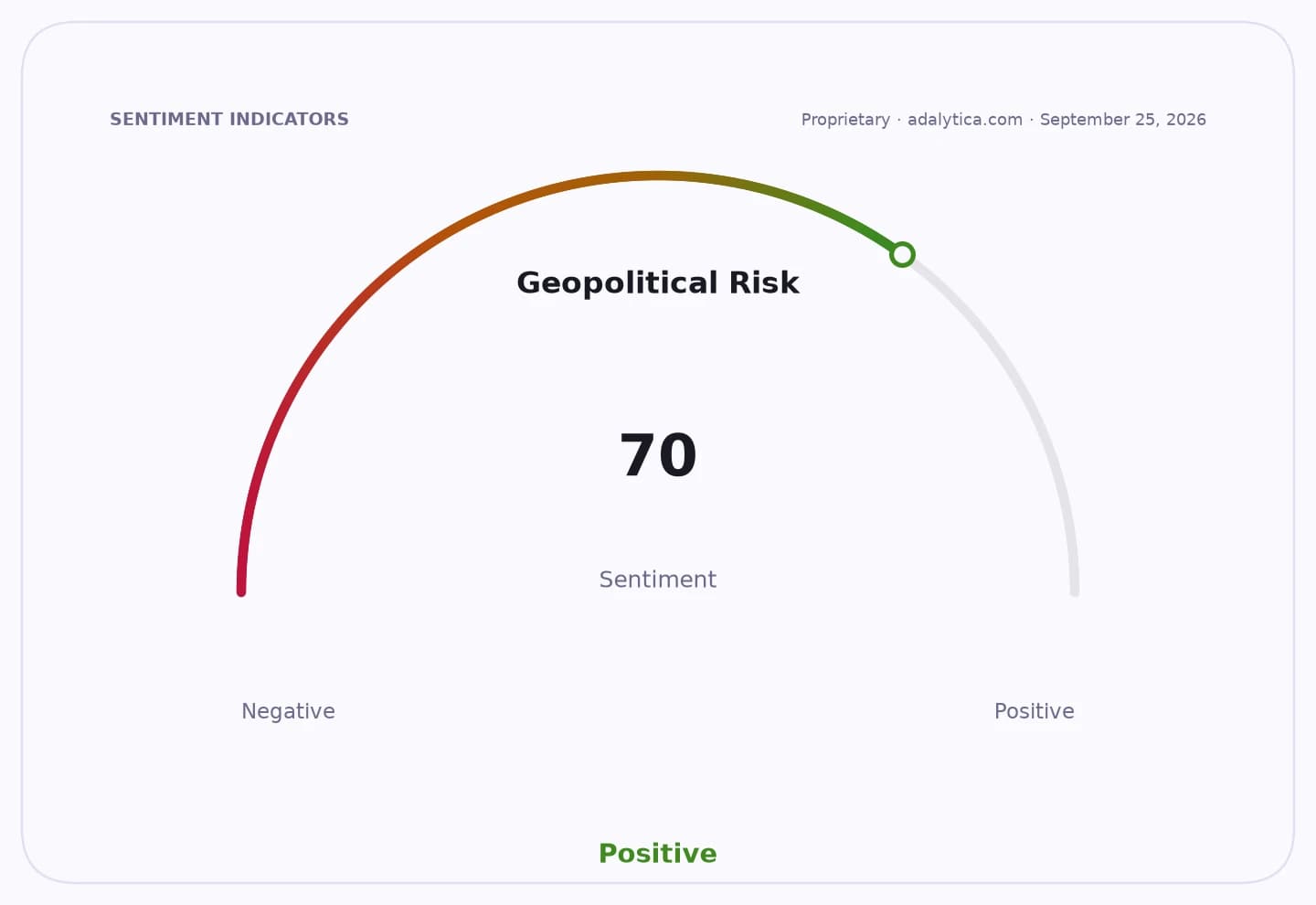
India’s place on the Trump team’s radar is turning into a real market issue because it raises the odds that Washington will use trade scrutiny and tariff threats as leverage just as Asia’s fastest-growing major economy is running a widening merchandise deficit.
India Trade Deficit and INDA ETF Rally
That matters far beyond diplomacy. India posted a $31.98 billion trade gap in July, the widest in six months, even after exports hit a record $44.24 billion. The shortfall was driven by heavy imports of crude oil, fertilizers and machinery — the kind of bill that makes an economy more vulnerable if the U.S. decides to tighten the screws on market access, trans-shipment or supply-chain rules.
For investors, the immediate question is whether India’s export story can keep compounding if trade friction rises. The country has been trying to sell itself as a manufacturing alternative to China, but Washington’s warning lights can still hit sentiment, raise compliance costs and slow the rerouting of supply chains that has benefited India-linked exporters, logistics firms and industrial suppliers. That is especially sensitive with U.S. President Donald Trump’s team reviving pressure on trade partners at a time when Indian stocks still trade as a core structural exposure for global emerging-market allocators.
The market is already showing that India is not being ignored. The iShares MSCI India ETF, INDA, is hovering near $50, above its 50-day moving average, while the relative strength index remains elevated at 74.3, a sign the trade has strong momentum even after recent consolidation. That leaves the market vulnerable to a sharper pullback if trade rhetoric turns into policy action. By contrast, the China-heavy FXI has lagged, underscoring how geopolitics is still steering capital between major Asian risk assets rather than fundamentals alone.
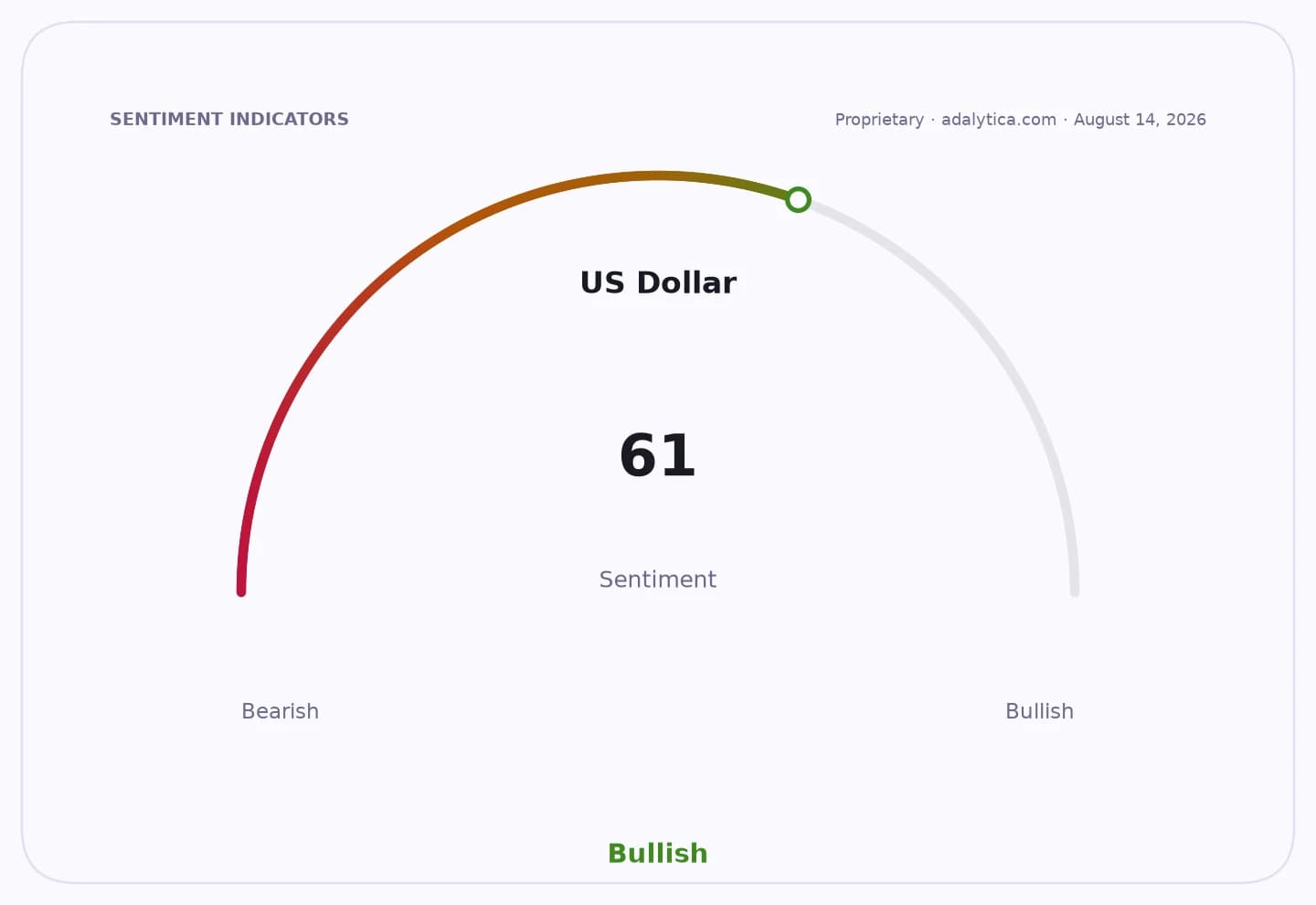
The other tell is the broader dollar backdrop. A softer dollar would usually support emerging markets, but U.S. trade pressure can overwhelm that tailwind by changing where goods are made, routed and financed. If Washington starts treating India as a potential trans-shipment node or tariff target, the winners will be domestic-demand names and protected sectors; the losers will be exporters tied to U.S. supply chains, freight volumes and outsourced manufacturing.
My view is that the market is still underpricing the second-order effect here: even a few pointed remarks from Trump allies can force Indian corporates and foreign investors to reprice the durability of the country’s export-led growth story. The trade deficit makes the stakes higher, not lower. For now, India remains an attractive long-term structural market — but the better trade is to own the beneficiaries of domestic capex and consumption, and be selective on the companies that need frictionless access to the U.S. to justify their growth premium.
| Entity | Gains | Losses |
|---|---|---|
| India domestic-demand stocks | ▲More relative capital inflow | ▼Less help from export tailwinds |
| Exporters tied to U.S. supply chains | ▲Stronger localization incentive | ▼Tariff and compliance risk |
| INDA bulls | ▲Momentum still intact | ▼Higher volatility on trade headlines |
| Freight, logistics and trans-shipment hubs | ▲Potential rerouting activity | ▼Volume hit if trade tightens |