India’s new free-trade agreement with Britain could be far more important for investors than the usual diplomatic applause, because it gives the world’s fastest-growing major economy another route to export growth just as global trade relations are becoming less predictable.
India-UK trade deal takes effect July 15
The agreement, which took effect on July 15, is expected to give 99% of Indian exports zero-duty access to the UK market, a meaningful boost for labor-intensive industries and a reminder that New Delhi is still pushing to widen its trade footprint. Union Home Minister Amit Shah said the pact could help lift India’s exports to $115 billion by 2030 and support as many as 1 million jobs, a scale that would matter for growth, wages and corporate earnings over the next several years.
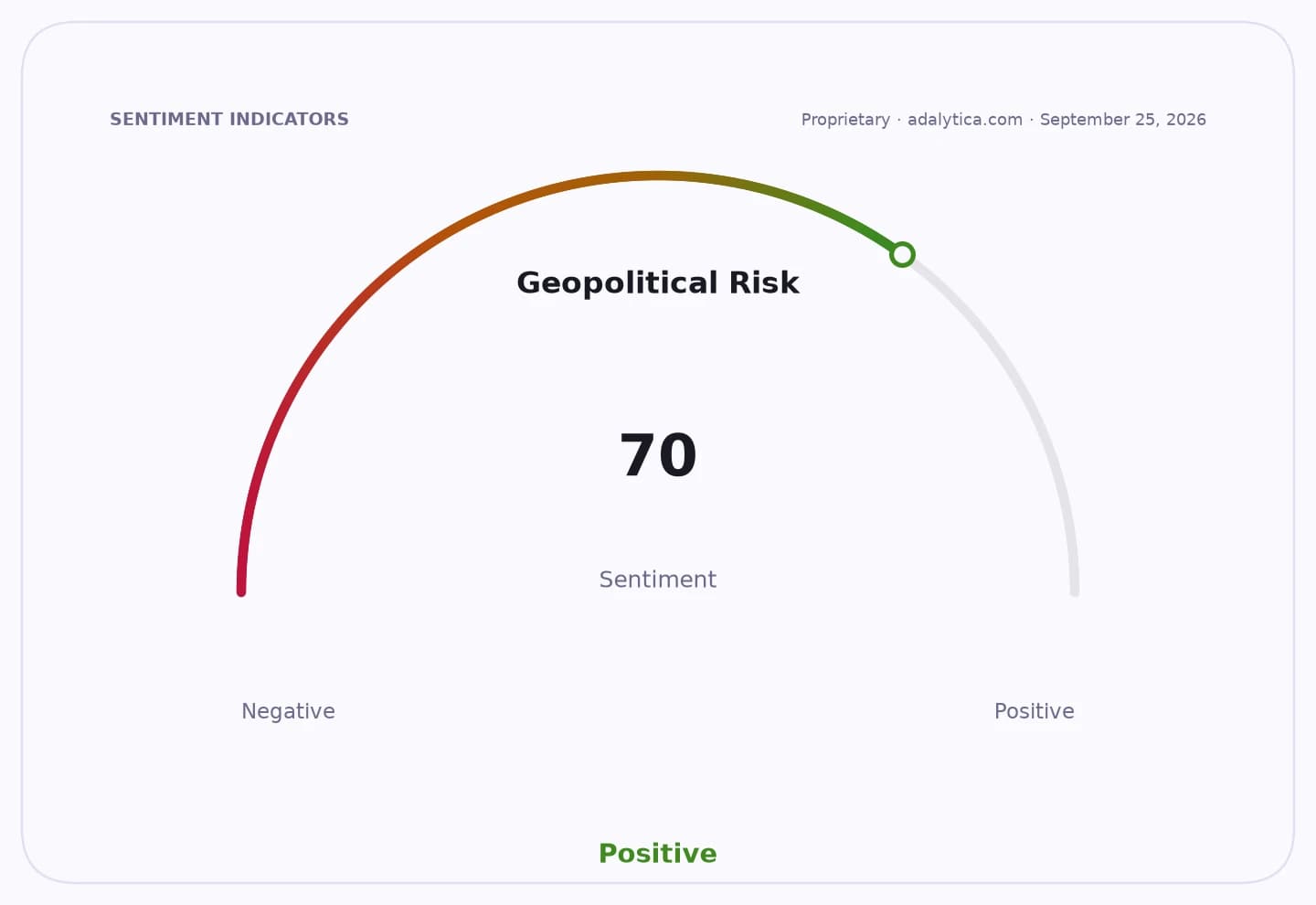
Sentiment IndicatorsⓘProprietary · adalytica.com · August 1, 2026
This is a snapshot — live sentiment, awareness and momentum for 130+ markets update continuously in the dashboard.Open AlphaPulse
For India, the bigger story is diversification. Companies and policymakers have been trying to reduce reliance on any single export market, especially with tariff uncertainty still hanging over trade ties with the US. A deeper opening with Britain gives Indian exporters another channel for textiles, leather goods, footwear, jewelry and other sectors where access and margins matter. It also fits into a broader effort by Prime Minister Narendra Modi’s government to make India a more credible manufacturing and export hub.
Investors should care because trade deals do not just move headlines — they change revenue visibility. Lower duties can improve competitiveness, help firms win contracts and support operating leverage in industries that depend on volume. That is especially relevant for exchange-traded funds such as the iShares MSCI India ETF, or INDA, which has already steadied after a sharp spring selloff and recently pushed back above its 50-day moving average. Britain’s iShares MSCI United Kingdom ETF, EWU, has also remained firm, while China’s FXI has moved on a separate track, underscoring how country-specific trade access can create different equity paths.
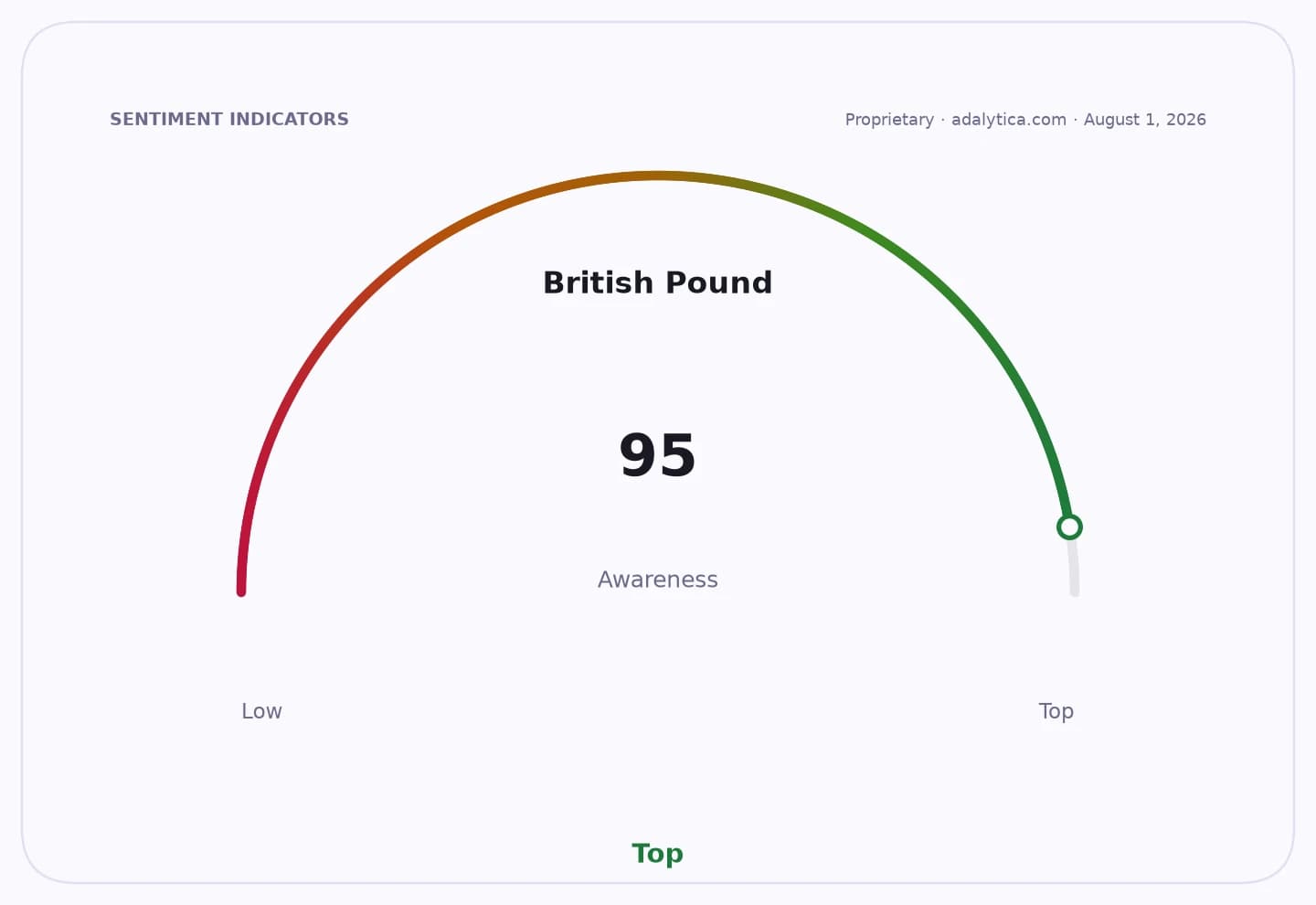
British Pound — 30-day sentimentadalytica.com
Explore this data interactively — full history, time series and cross-market comparisons.Open AlphaPulse
There is also a market message in the currency backdrop. Adalytica.com’s trade signals show extreme fear around the British pound and only neutral readings for the US dollar, a reminder that investors remain cautious about the macro spillovers from trade, growth and policy. In that kind of environment, agreements that reduce tariff friction can matter more than they would in calmer markets.
The long-term case is straightforward: if India keeps stacking trade pacts that open markets and create jobs, it strengthens the earnings base for exporters and the investment case for Indian equities. That does not mean the path will be smooth — global demand, politics and execution still matter — but it does mean the India-UK partnership is about more than ceremony. For investors with a multiyear horizon, it is worth watching closely and holding as part of a diversified portfolio.
| Entity | Gains | Losses |
|---|---|---|
| Indian exporters | ▲Zero-duty UK access | ▼Tariff barriers |
| UK consumers/importers | ▲Wider product choice | ▼Higher-priced imports |
| India-focused equities | ▲Better growth outlook | ▼Trade uncertainty premium |
| Rival export markets | ▲Less access to India’s supply push | ▼Market share to Indian firms |