India has moved the Ukraine peace process into a more awkward but potentially more productive phase for Russia: a proposal that is hard to dismiss outright, even if it is still a long way from ending the war.
India Ukraine peace proposal targets energy and shipping
The core of the offer is practical rather than grand diplomatic theater. According to the source material, India has urged both sides to stop attacking energy infrastructure, secure grain and fuel shipments from each other’s ports, and protect commercial shipping in the Black Sea. Those are limited steps, but they are the kind that can reduce real economic damage fast. For investors, that matters because the war’s most immediate market effects still show up in energy, food and freight costs long before they show up in any headline ceasefire.
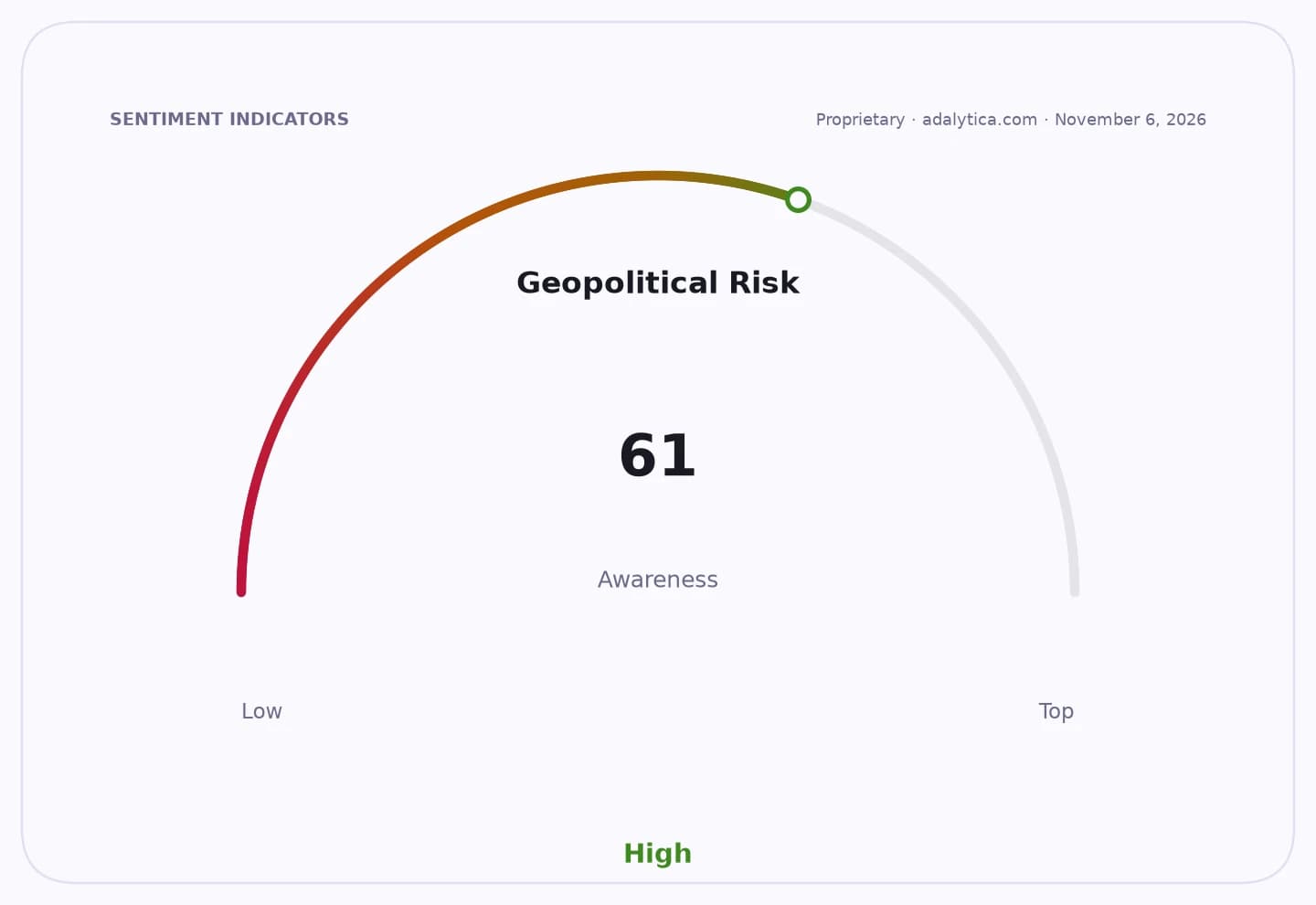
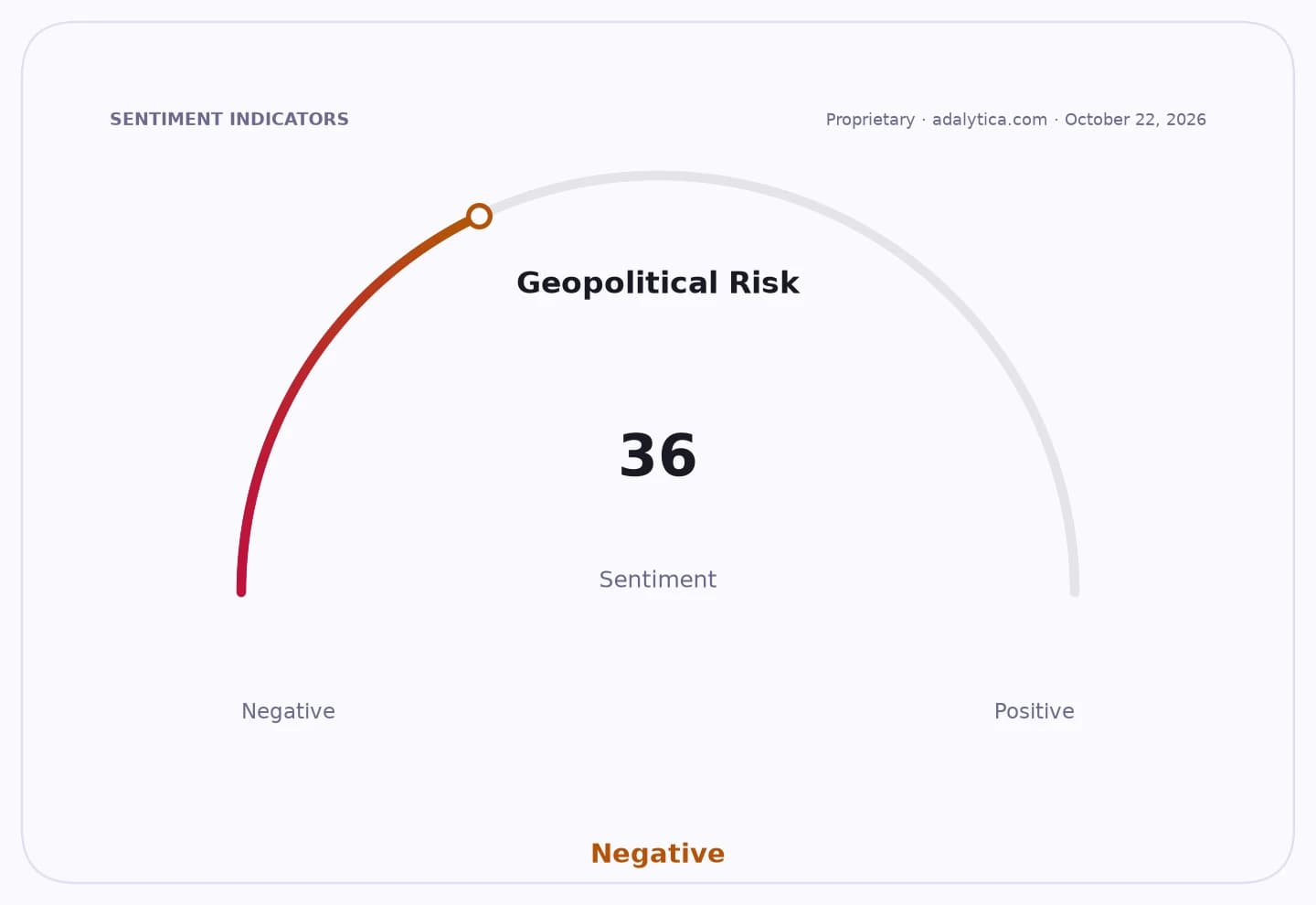
Sentiment Indicators
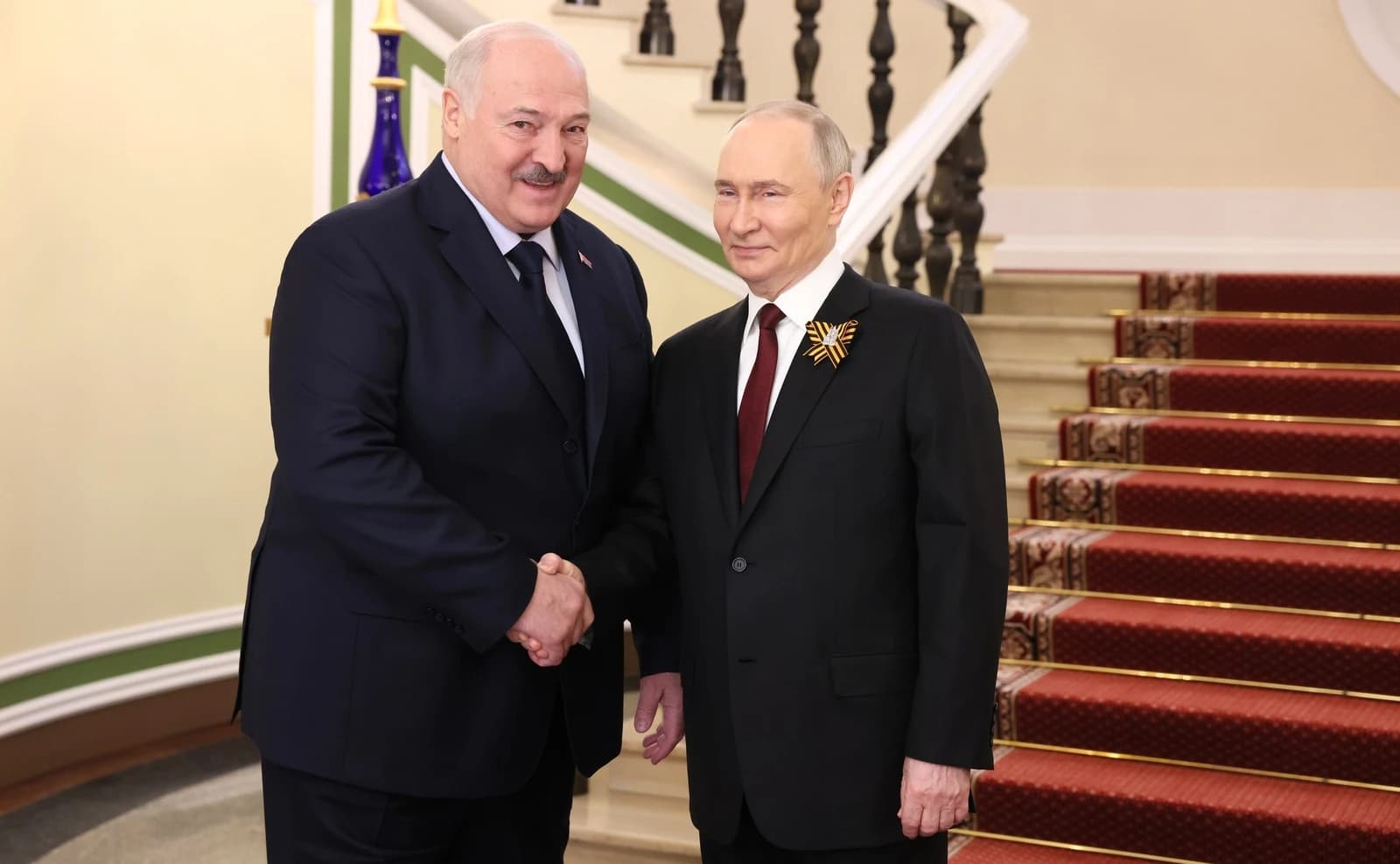
What makes India’s role important is not that it has suddenly produced a peace breakthrough. It is that New Delhi is operating from a different political position than previous mediators, including Turkey and the United States, which have also floated similar ideas. Russia may be reluctant to embrace the package quickly, but the argument in Moscow is now less convenient. Refusing a proposal from India carries a different diplomatic cost than brushing aside a Western initiative. That does not guarantee talks, but it does raise the odds that the offer becomes part of the diplomatic back-and-forth rather than another dead letter.
That matters economically because any partial de-escalation around energy infrastructure and Black Sea shipping would hit two of the war’s most inflationary channels. Energy prices react quickly to supply fears, and grain routes remain crucial for food-importing countries. The market has already been living with that reality. USO, the oil ETF, closed at $148.65 on Oct. 9, well above its 50-day moving average of $139.17 and far above its 200-day average of $117.12, showing how geopolitics continues to support crude even after pullbacks. The ETF’s RSI reading of 50.5 suggests the move is no longer overheated, but the broader trend is still firm. Any credible path toward fewer attacks on energy assets in the Black Sea region could ease some of that geopolitical premium.
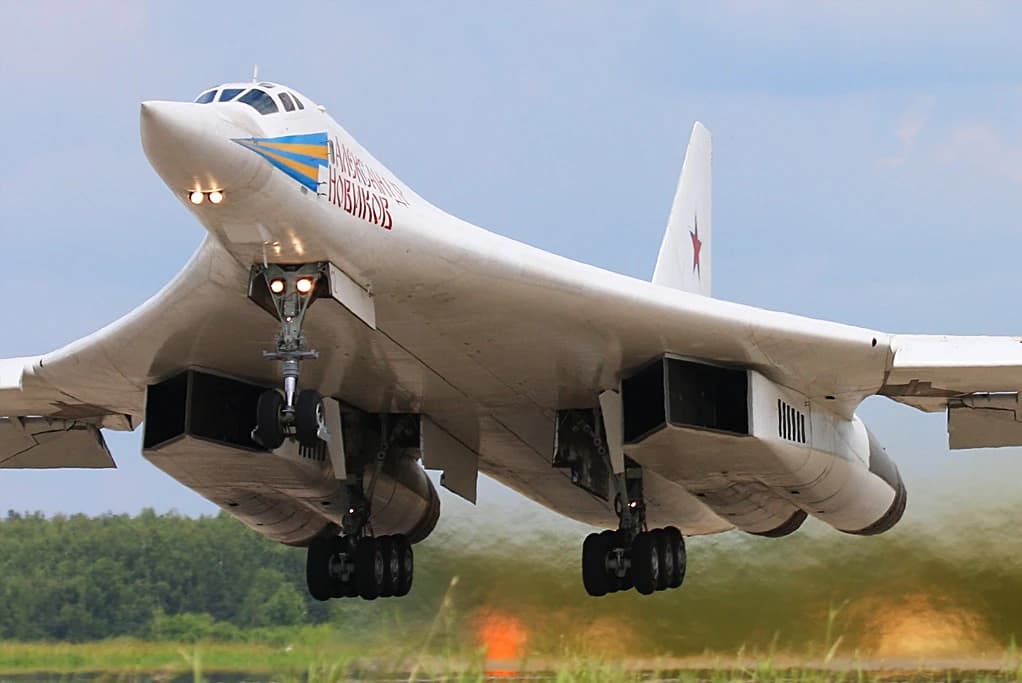
The war itself, though, is still generating the kind of volatility that keeps investors alert. Ukraine said Russia launched 48 cruise missiles and 130 long-range drones in a recent strike, while air defenses intercepted 39 of the cruise missiles and 119 drones. The attack killed civilians in Priluki and Kremenchuk and left more dead in Kyiv, underscoring that even as peace initiatives circulate, battlefield pressure remains intense. Moscow, for its part, has been trying to frame French missile testing as “militarization” of Europe, another reminder that the wider confrontation is not cooling.
The market implication is straightforward: investors should not confuse a diplomatic opening with an imminent peace dividend. But they also should not ignore how these incremental offers can shape expectations around oil, shipping, grain and European defense spending. Any serious movement toward protecting infrastructure or commercial routes would be constructive for global stability and bearish for the worst-case energy scenarios. Conversely, if the proposal goes nowhere, the conflict remains a durable support for defense names and a risk factor for oil and food prices.
Long-term investors should think of this as a reminder that geopolitical risk premium can fade quickly, but only after politics changes enough to justify it. India’s proposal may not end the war, but it could be the kind of compromise Russia cannot simply reject without explanation. That alone makes it worth watching closely.
| Entity | Gains | Losses |
|---|---|---|
| India | ▲Diplomatic clout | ▼None if talks stall |
| Russia | ▲A face-saving off-ramp | ▼Free hand to keep escalating |
| Ukraine | ▲Safer ports and infrastructure | ▼Leverage if war hardens |
| Oil and defense bulls | ▲Higher risk premium | ▼Lower geopolitics-driven upside |