Patanjali Foods’ sharp drop is a reminder that the market is no longer paying up for consumer names on brand alone.
Indian FMCG Sentiment Turns More Selective
What matters now is earnings quality, pricing power and how much of India’s packaged-food growth can survive a tougher demand backdrop. When a stock like Patanjali Foods is marked down so aggressively, investors are usually pricing more than a one-day move: they are questioning whether the company’s growth story can keep up with the sector leaders, and whether its valuation had run ahead of fundamentals.
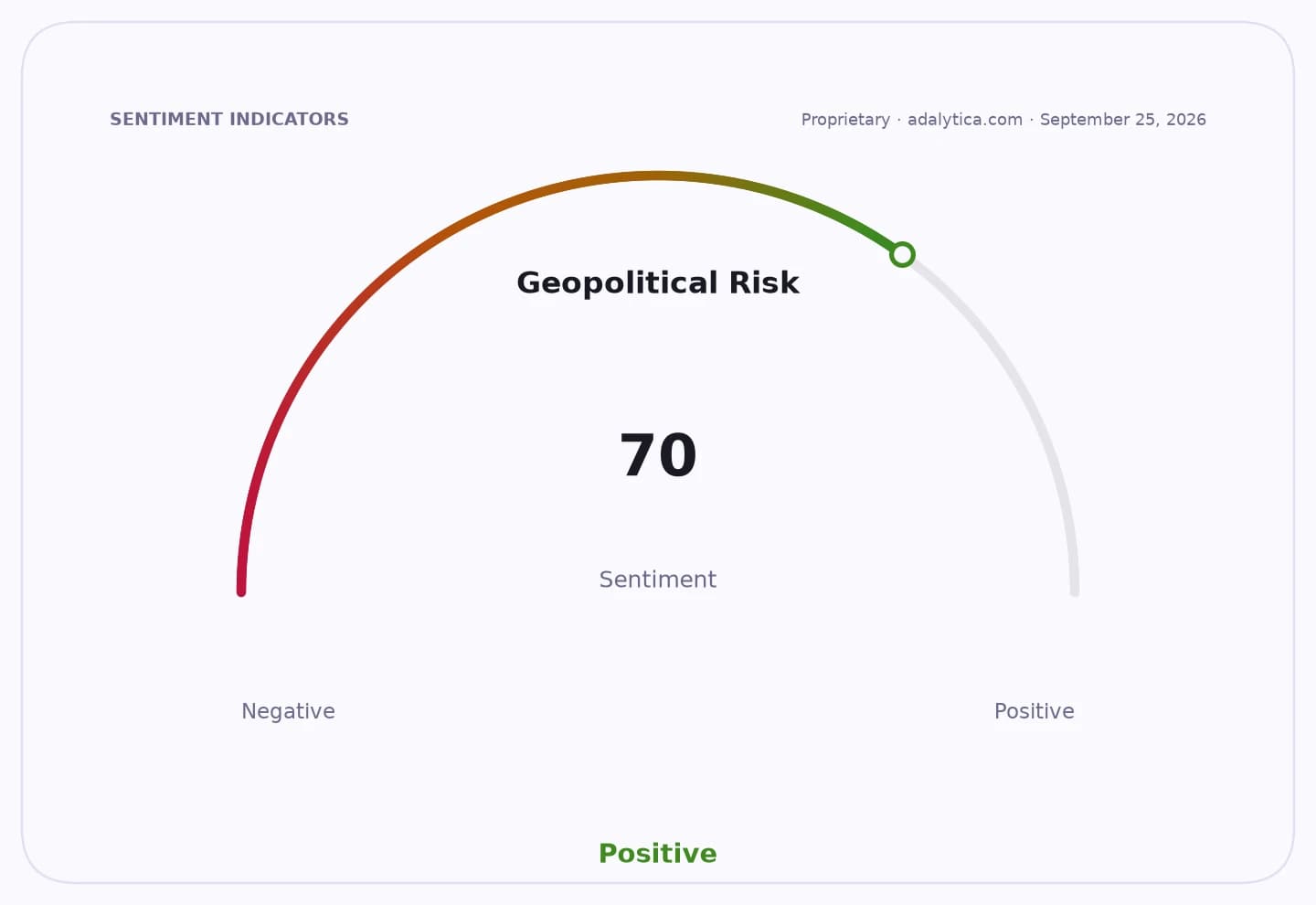
Sentiment IndicatorsⓘProprietary · adalytica.com · July 15, 2026
This is a snapshot — live sentiment, awareness and momentum for 130+ markets update continuously in the dashboard.Open AlphaPulse
That shift matters economically because staples are supposed to be defensive. If a consumer foods company loses market confidence, it usually signals pressure somewhere in the chain — raw material costs, slower volume growth, weaker mix, or an inability to pass on inflation without losing share. For a business tied to everyday spending, that is not just a company issue; it is a read on household demand and on the durability of the broader FMCG trade.
The market is also drawing a cleaner line between the winners and the laggards in India’s consumer space. Dabur and Hindustan Unilever have both seen their shares wobble in recent months, with technical readings reflecting a volatile, trend-chasing market rather than a stable rerating. Dabur’s 50-day moving average sits near 440 rupees, while the stock recently traded around 432 rupees, suggesting investors are waiting for clearer momentum. Hindustan Unilever, meanwhile, has slipped to about 2,099 rupees from levels above 2,600 last year, showing that even the sector’s blue-chip franchise is not immune when growth looks modest and expectations remain rich.
That is why Patanjali Foods matters beyond the headline. The stock’s decline fits a wider narrative: the market is rotating away from crowded consumer defensives and toward companies with visible volume acceleration, margin expansion or more direct exposure to India’s consumption upcycle. If Patanjali is losing the benefit of the doubt, competitors with stronger distribution, steadier premiumization and better execution stand to gain relative appeal.
Investors should see this as an inflection point, not just a fall. In consumer staples, the best opportunities often emerge when sentiment breaks before the fundamentals do. If Patanjali Foods can prove that the selloff was an overreaction, the rebound could be sharp. If not, the market is likely to keep rewarding clearer compounders and punishing names where the growth story feels too dependent on hope.
The actionable takeaway is straightforward: stay selective in Indian FMCG. Use weakness in the stronger franchise names to build positions, but demand proof before averaging into stocks that the market is already re-pricing for slower growth.
| Entity | Gains | Losses |
|---|---|---|
| Patanjali Foods | ▲Short-term valuation reset | ▼Momentum investors |
| Hindustan Unilever | ▲Relative defensiveness | ▼Growth-chasing rivals |
| Dabur | ▲Sector comparison support | ▼Weak sentiment spillover |
| Consumer staples investors | ▲Better entry points | ▼Overhyped growth stories |