Indigenous rangers are turning to smart AI tools to manage country more efficiently, and that matters because the biggest gains from artificial intelligence may not come from flashy consumer apps at all, but from practical work that saves time, money and scarce expertise.
Indigenous Rangers Adopt AI for Land Management
Artificial Intelligence
For investors, that is the real story behind the latest wave of AI adoption: the market is still fixated on the giants building the models, but the long-term compounding opportunity may lie in the industries that use AI to do more with less. Conservation, land management and public services are exactly the kind of labor-intensive fields where better data can translate into better outcomes, lower operating costs and stronger case studies for broader rollout.
Sentiment Indicators
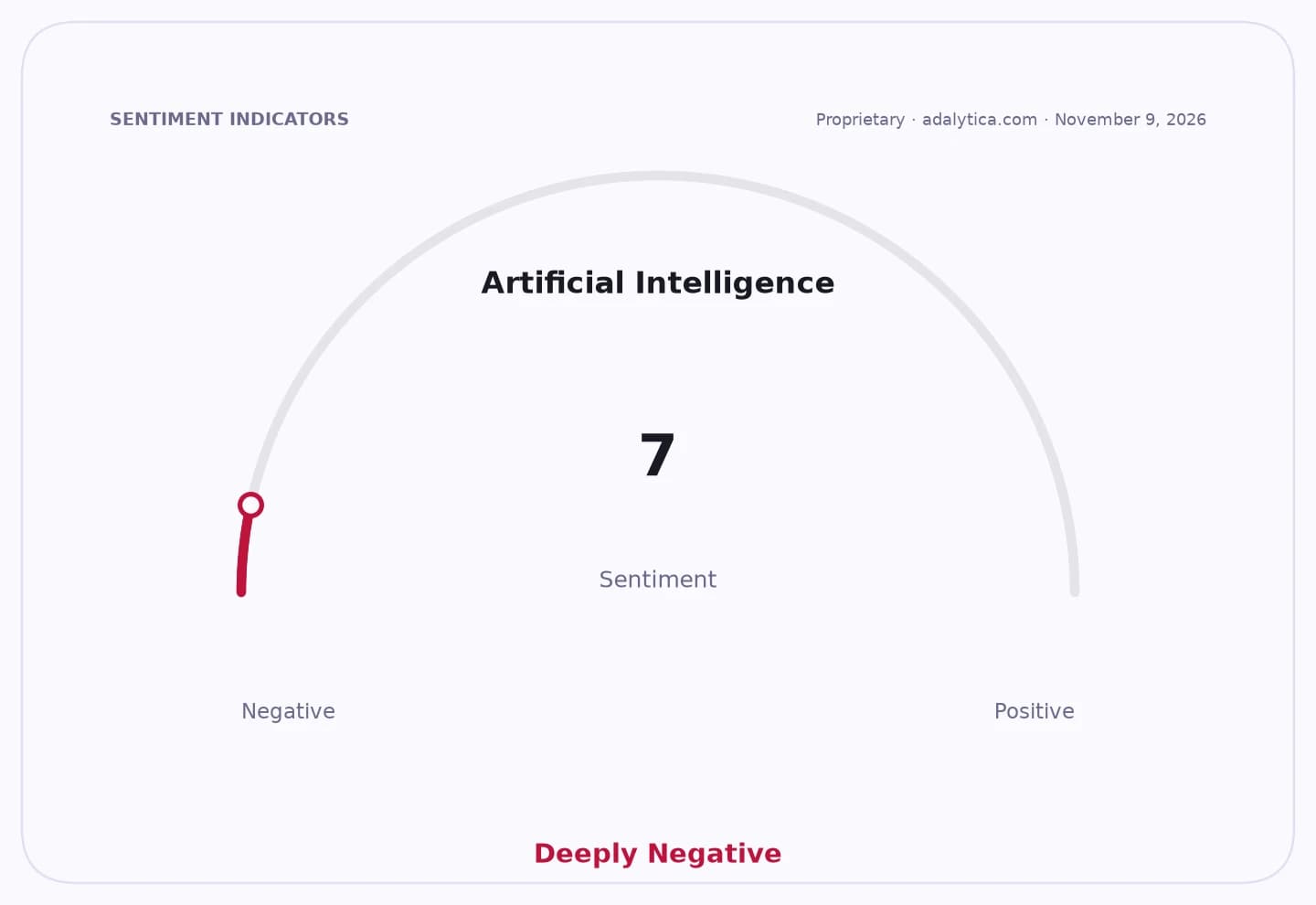
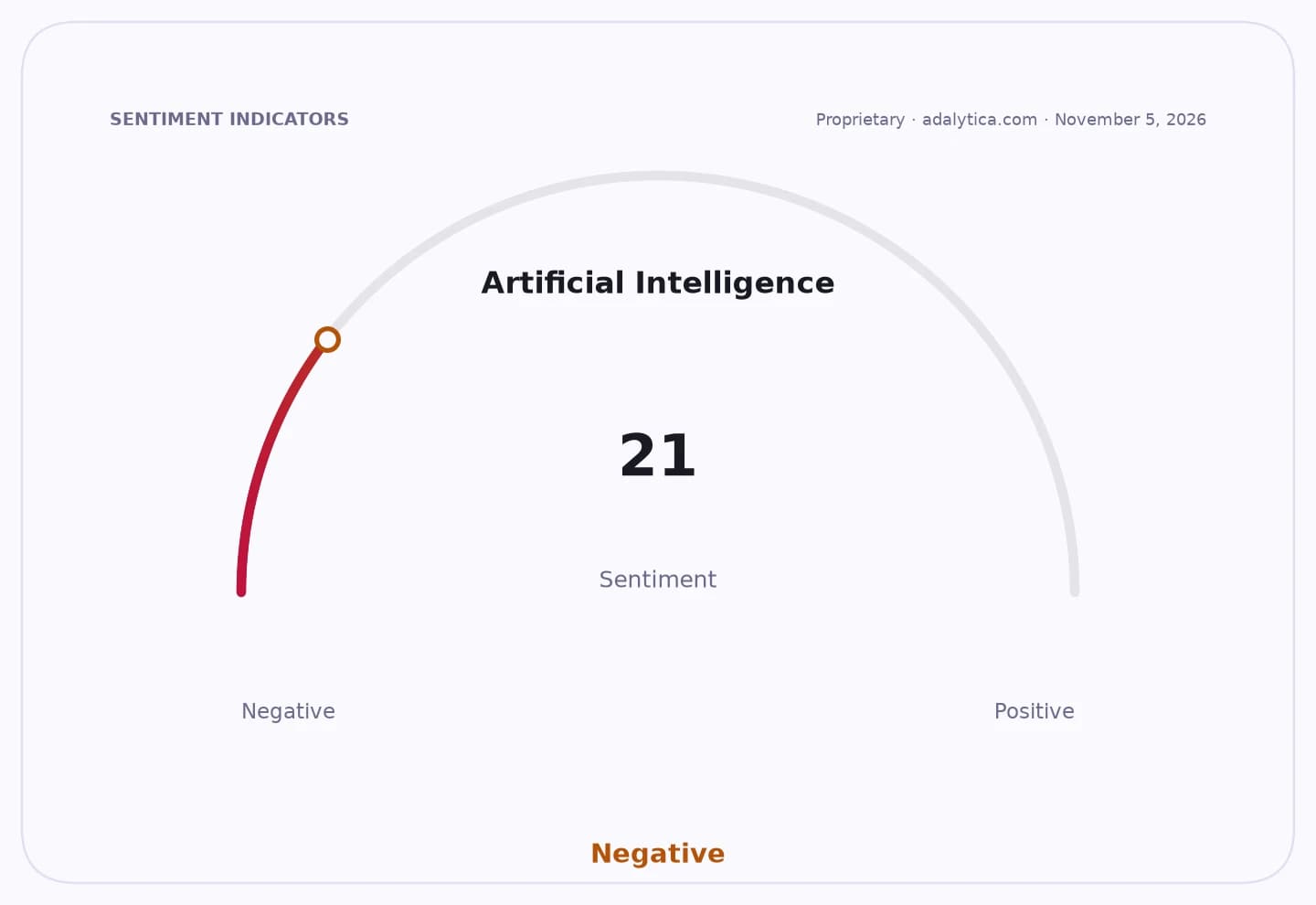
That helps explain why the AI trade remains so resilient even as sentiment swings around. Microsoft shares were recently trading at $529.05, well above their 50-day moving average of $505.37 and 200-day average of $434.03, while Nvidia sat at $214.13, also above its 200-day average of $202.66, showing the market still rewards companies tied to AI infrastructure. At the same time, the AI application names can be volatile — C3.ai, which reflects the broader AI software theme, traded at $11.32, just above its 50-day average of $10.68, with Adalytica’s AI sentiment at 71, or “Greed,” even as awareness remained stuck at an “Extreme Fear” reading of 4.0.
That split matters. It says investors are still willing to pay for the promise of AI, but they want proof that it solves real problems. Indigenous ranger programs are a good example of that proof. These teams often cover vast, remote areas with limited staff, and better machine-assisted monitoring can help identify fire risk, track invasive species, map land use and prioritize patrols. In other words, AI can make existing budgets go further — a crucial advantage when public funding is tight and climate pressures are rising.
The investment case is not just about one sector. It is about the way AI is spreading from the hyperscalers and chipmakers into the real economy. Nvidia’s continued strength shows the hardware layer still has pricing power, while Microsoft’s position above key long-term averages suggests investors expect cloud and AI services demand to endure. But the next leg of the story may come from adoption, not invention: the organizations that can turn data into decisions may be the ones that see the biggest productivity gains.
There are risks, of course. AI projects can be overhyped, badly implemented or constrained by governance and data quality. Conservation work also depends on connectivity, training and local buy-in, which can slow rollout. And as the broader AI debate heats up, including fresh concerns about safety and oversight, regulation could shape where the technology is used fastest.
Still, the direction of travel is clear. If Indigenous rangers are embracing smart AI because the data is strong, that is a reminder that the most durable winners in this cycle may be the businesses and institutions that use AI to solve ordinary problems at scale. For long-term investors, that means looking beyond the headline-grabbing model builders and paying attention to the users turning AI into measurable results.
| Entity | Gains | Losses |
|---|---|---|
| Indigenous rangers | ▲Better field decisions | ▼Manual workflows |
| AI platform providers | ▲New real-world use cases | ▼Skeptics of adoption |
| Microsoft and Nvidia | ▲Continued AI demand | ▼Slower enterprise rollout |
| Traditional survey methods | ▲Less relevance | ▼Budget and attention |