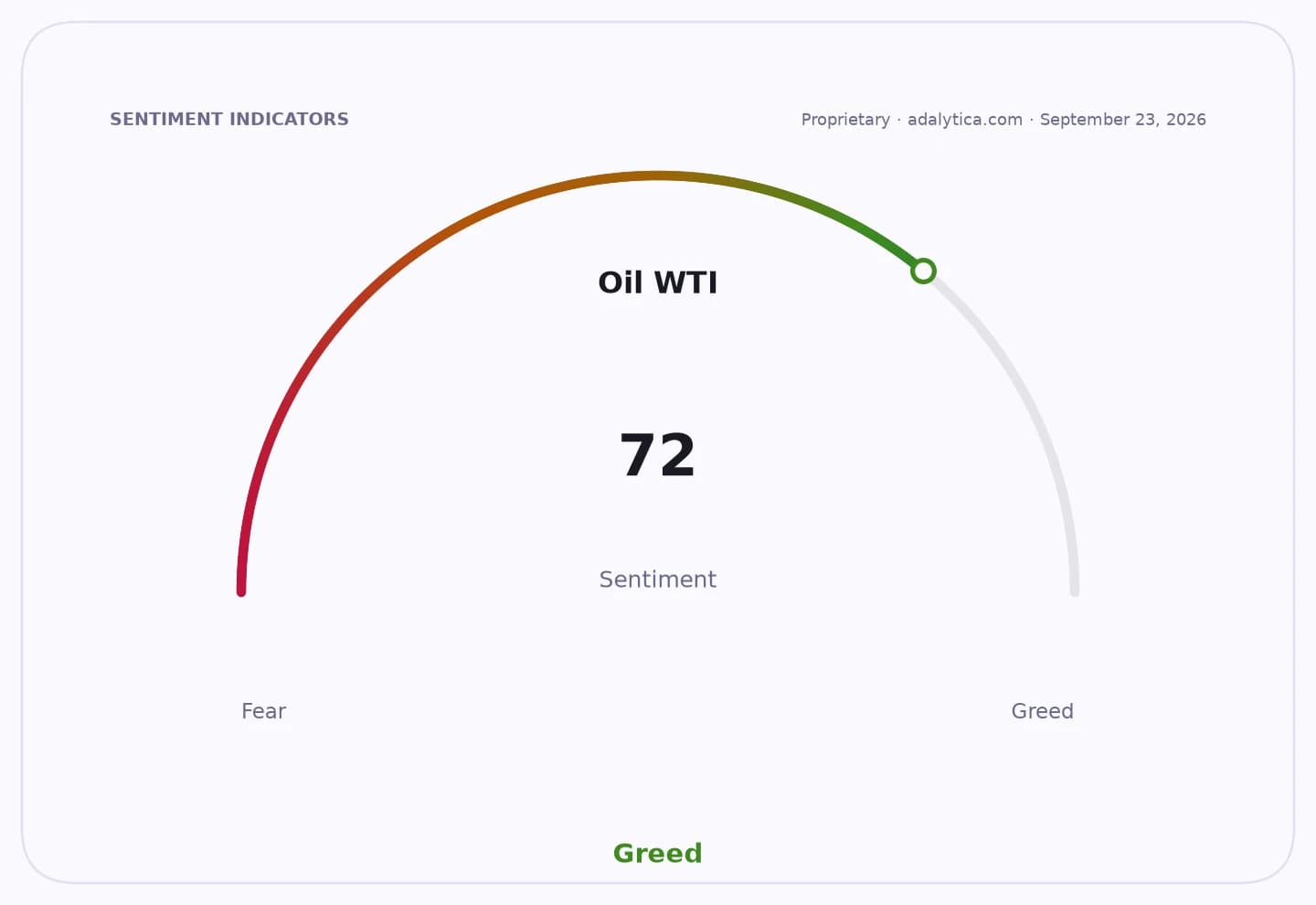
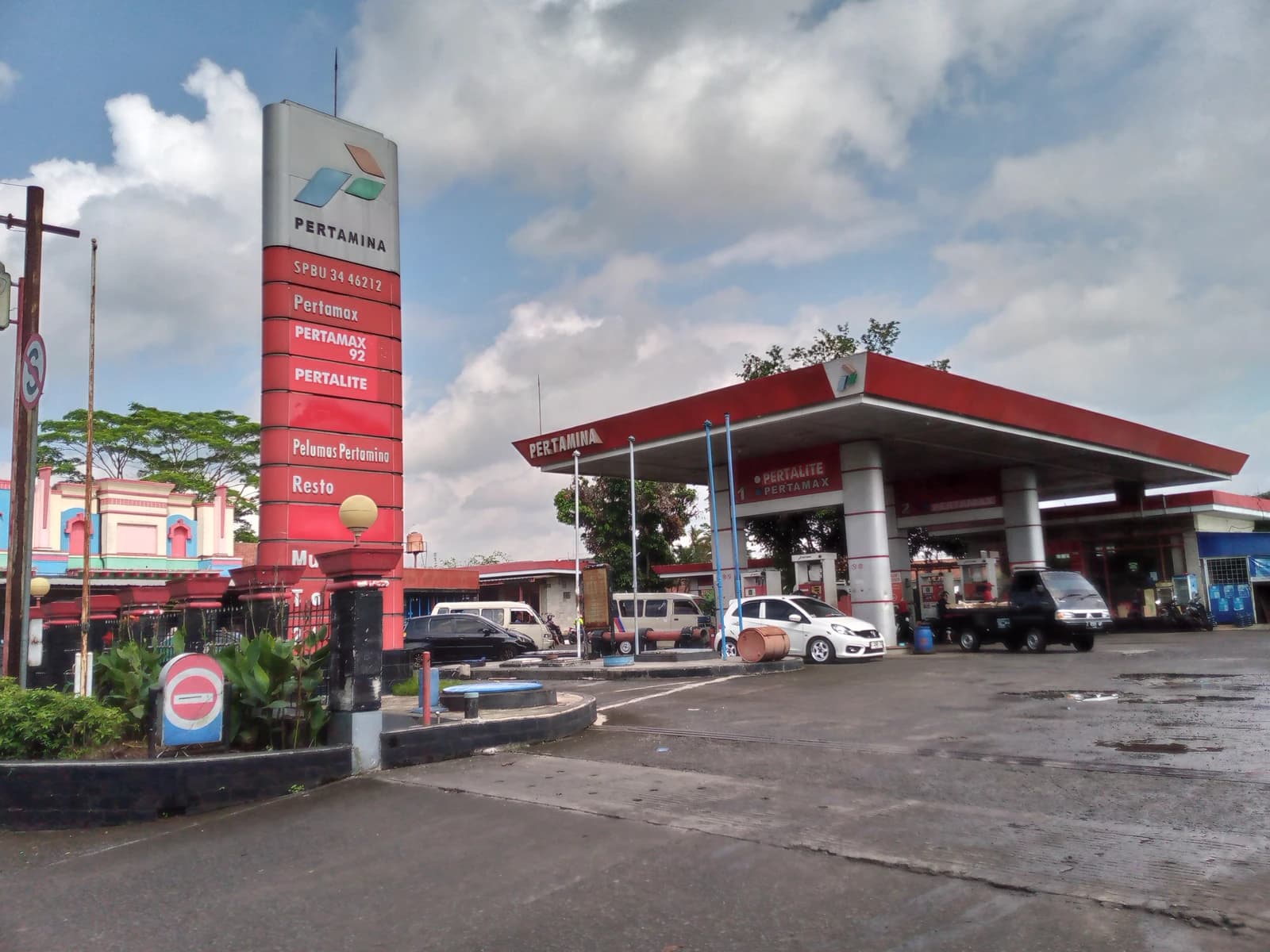
Indonesia has distributed 10.69 million kiloliters of biodiesel-blended fuel this year as it pushes a landmark rollout of B50, a move that could cut diesel import dependence and reshape domestic palm demand.
Indonesia B50 rollout reaches 10.69 million KL
The Energy and Mineral Resources Ministry said 10,69 million KL had been delivered by early September, with about 3.4 million KL of B50 supplied from July 1 to Sept. 7 after the country first used B40 in the opening half of the year. Roughly 90% of gas stations, or around 6,050 locations, are now offering the product.
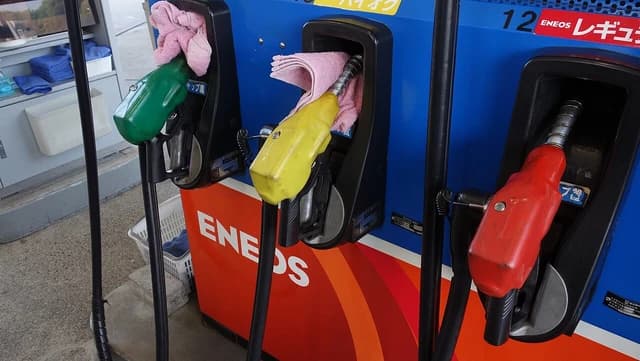
Sentiment IndicatorsⓘProprietary · adalytica.com · September 9, 2026
This is a snapshot — live sentiment, awareness and momentum for 130+ markets update continuously in the dashboard.Open AlphaPulse
The scale matters because fuel policy in Indonesia is not just an energy story but an industrial one. A higher palm-based blend reduces the need for imported solar, supports domestic biodiesel demand and gives the government a bigger lever over the country’s trade balance and energy security.
Officials said 76 of 104 designated delivery points are already operating fully on B50, while 28 terminals are still being given until Sept. 30 to clear remaining B40 inventories. The government expects feedstock availability of 16.8 million KL to 18 million KL through year-end, suggesting the program still has room to grow if supply holds.
For investors, the rollout is supportive for palm-linked supply chains and Indonesian energy policy credibility, while pressuring diesel importers and refiners tied to conventional fuel demand. It also keeps attention on execution risk: if B50 is scaled too quickly without enough feedstock, prices and margins across the palm-oil complex could become more volatile.
The move underscores Indonesia’s bid to become the first country to run a 50% palm-oil fuel blend at national scale, a milestone that could influence biodiesel policies elsewhere in the region. Markets will now watch how smoothly the remaining terminals convert before the end of September and whether the government can keep supply steady into December.
| Entity | Gains | Losses |
|---|---|---|
| Indonesia government | ▲Energy security | ▼Import exposure |
| Palm oil producers | ▲Higher biodiesel demand | ▼Feedstock constraints |
| Diesel importers | ▲— | ▼Lower fuel demand |
| Refiners/distributors | ▲Policy tailwind | ▼Transition costs |