Indonesia’s state food buyer, BULOG, is stepping up national rice procurement as authorities try to strengthen food independence and cushion households from supply shocks.
Indonesia Boosts Rice Buying to Stabilize Prices
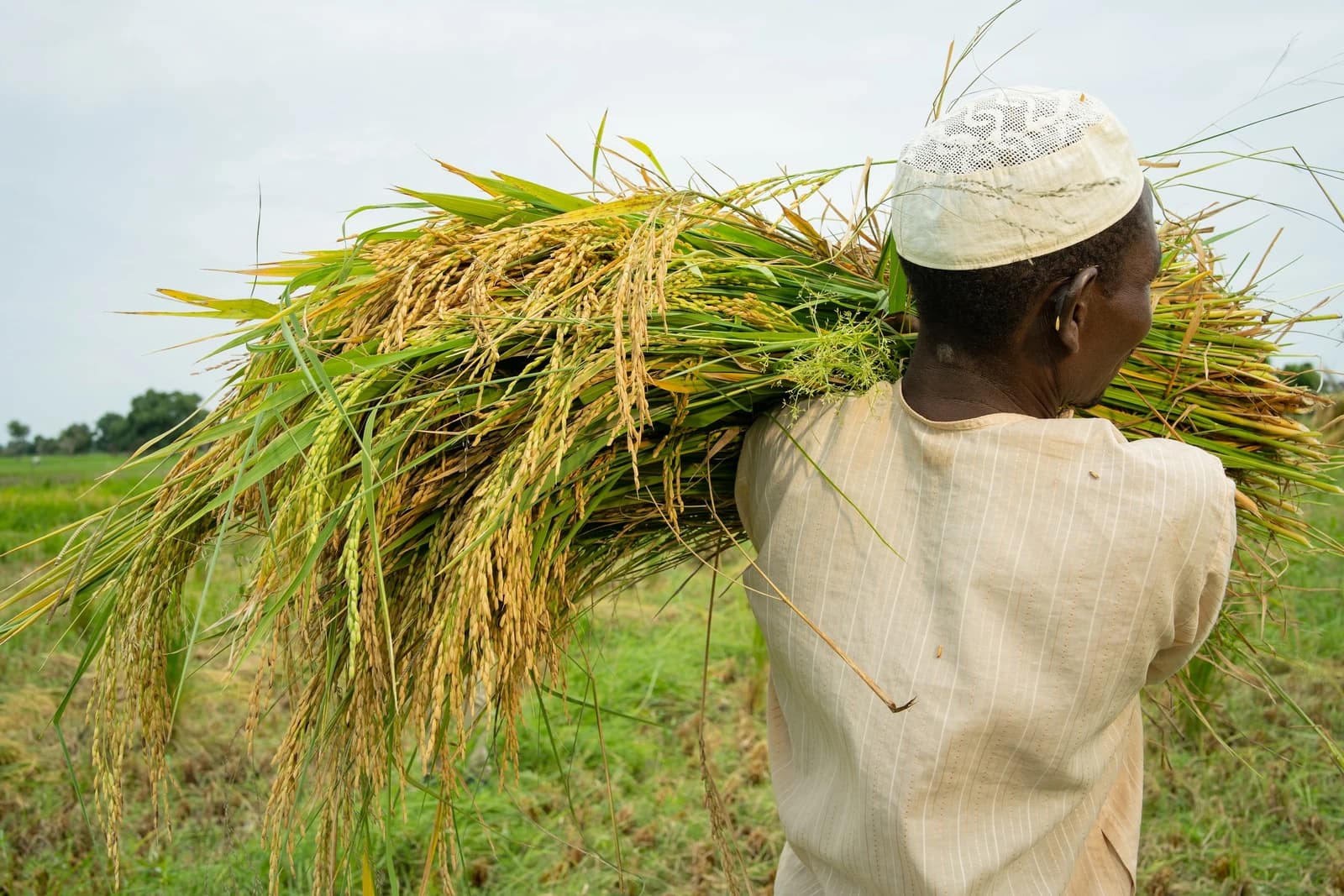
The move matters because rice remains the country’s most politically sensitive staple and a key transmission channel for inflation. A larger state stockpile can help stabilize retail prices, reduce the need for emergency imports and give Jakarta more control over distribution if harvests disappoint or weather disrupts supply chains. In a region where food inflation can quickly spill into broader consumer prices, procurement is not just an agricultural policy — it is macroeconomic insurance.
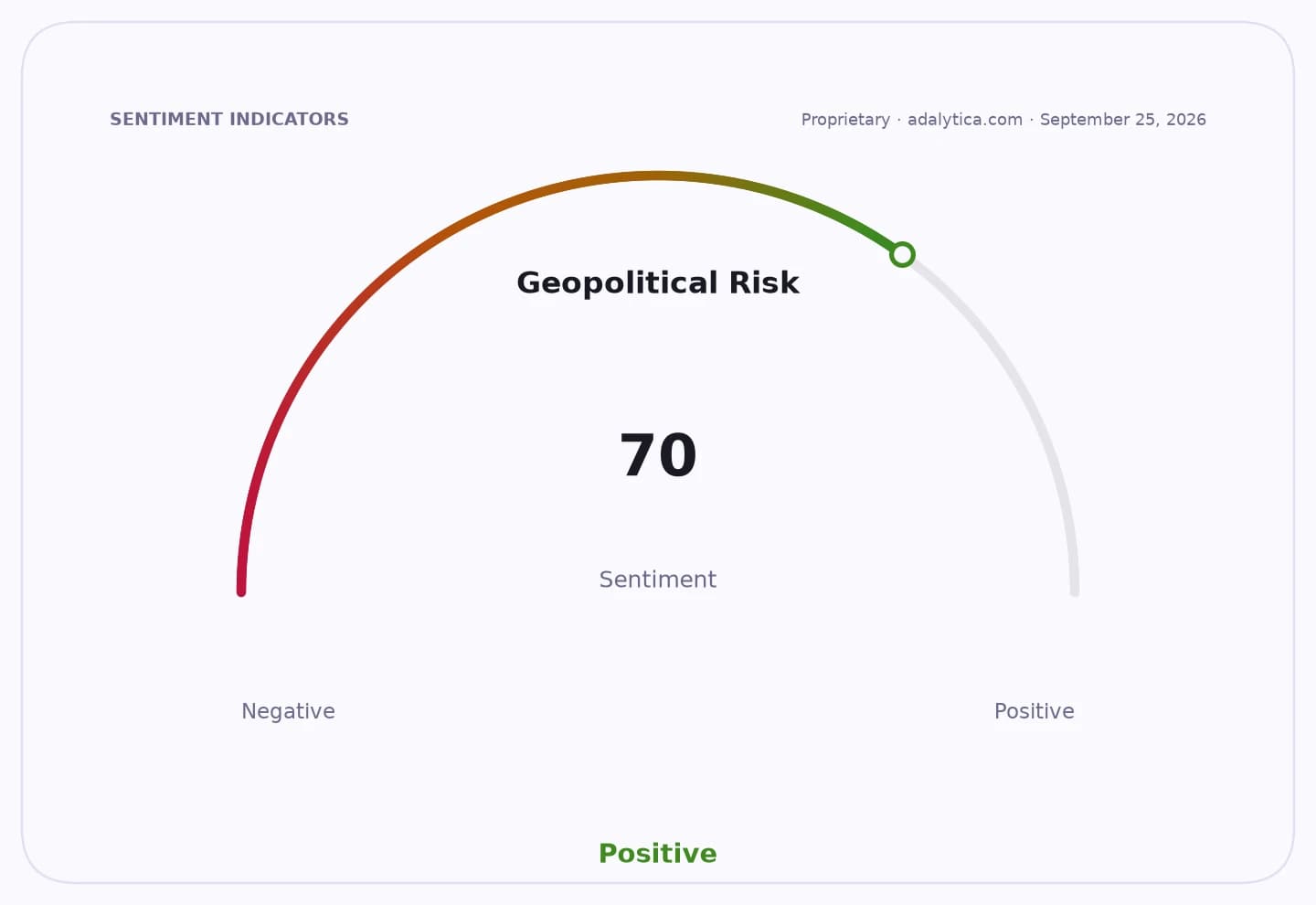
Sentiment IndicatorsⓘProprietary · adalytica.com · July 25, 2026
This is a snapshot — live sentiment, awareness and momentum for 130+ markets update continuously in the dashboard.Open AlphaPulse
The timing also reflects a more fragile global backdrop for food costs. US consumer prices are projected to edge higher in July, while producer prices are also expected to firm, a reminder that commodity prices remain under pressure even after the shocks of the past few years. For Indonesia, that raises the cost of relying on global grain markets just as domestic demand stays resilient. Food and grocery spending sentiment tracked by Adalytica.com has retreated sharply over the past month, suggesting households are growing more cautious even as awareness of the issue remains elevated. That combination makes price stability in rice more important for consumption and social stability.
For investors, the story extends beyond Indonesian policy. Higher state buying can support regional rice prices and improve cash flows for farmers and millers, but it can also squeeze traders and importers if procurement crowds out private flows or keeps market supplies tight. Agricultural and packaged-food names with exposure to commodity inputs may face more volatility if governments across Asia follow Indonesia’s lead and build reserves more aggressively. On the flip side, companies tied to storage, logistics and grain handling could benefit from sustained public-sector demand.
There is also a strategic dimension. BULOG’s heavier buying suggests Jakarta is prioritizing self-sufficiency after repeated food supply strains, including distribution bottlenecks and farmer-business tensions in parts of the country. That could reduce near-term import dependence, but it does not eliminate the risk that domestic production falls short of demand. If procurement is successful, the government may gain room to manage prices into next year; if it is not, Indonesia may still be forced back into global markets, where weather and policy shocks can quickly reprice staple grains.
For now, the market message is straightforward: rice is once again a policy asset, and BULOG’s procurement push signals that Indonesia is willing to spend more to keep it that way.
| Entity | Gains | Losses |
|---|---|---|
| BULOG / Indonesian government | ▲Larger food reserves | ▼Higher procurement costs |
| Indonesian consumers | ▲Better price stability | ▼Risk of tighter supplies |
| Domestic farmers | ▲Stronger state demand | ▼Pressure if prices are capped |
| Rice importers / traders | ▲Less certain demand | ▼Crowded out by state buying |