Indonesia is moving toward government-set reference prices for fish in a bid to lift fishermen’s incomes, a policy shift that could reshape seafood procurement, processing and food distribution across the archipelago.
Indonesia Fish Price Plan Targets Fishermen Income
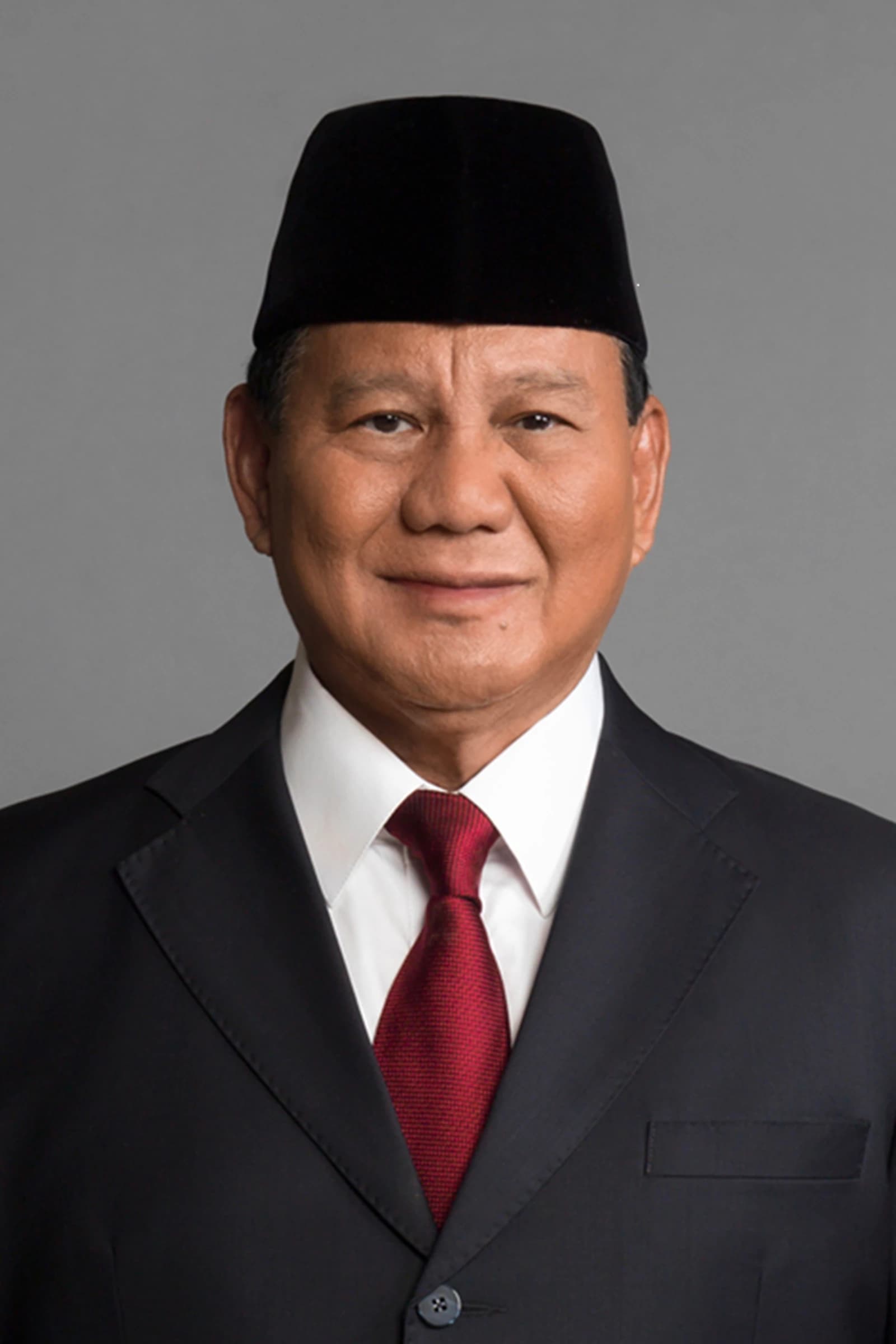
Coordinating Food Minister Zulkifli Hasan said the government is discussing price controls for selected fish species, modelled on the rice and paddy price framework that Jakarta says has supported farm incomes. He did not specify which fish would be covered or how the mechanism would work, but said the aim is to improve the quality of catches and strengthen the absorption of fishermen’s output.
Sentiment Indicators
The proposal matters because fish is a key protein source in Indonesia and a central part of the country’s food-security agenda. If implemented, a state-backed floor or reference price could stabilize revenues for fishermen, but it may also raise procurement costs for downstream buyers, including processors, distributors and public food programs.
Zulhas said the government is also considering a role for Kampung Nelayan Merah Putih, or KNMP, in buying fish and supplying it to nutrition-service units under the SPPG scheme. That would effectively create a more formalized buying channel for catches, but it depends on cold storage, ice plants, auction facilities, docks and fuel stations for fishermen — infrastructure that is still being built out.
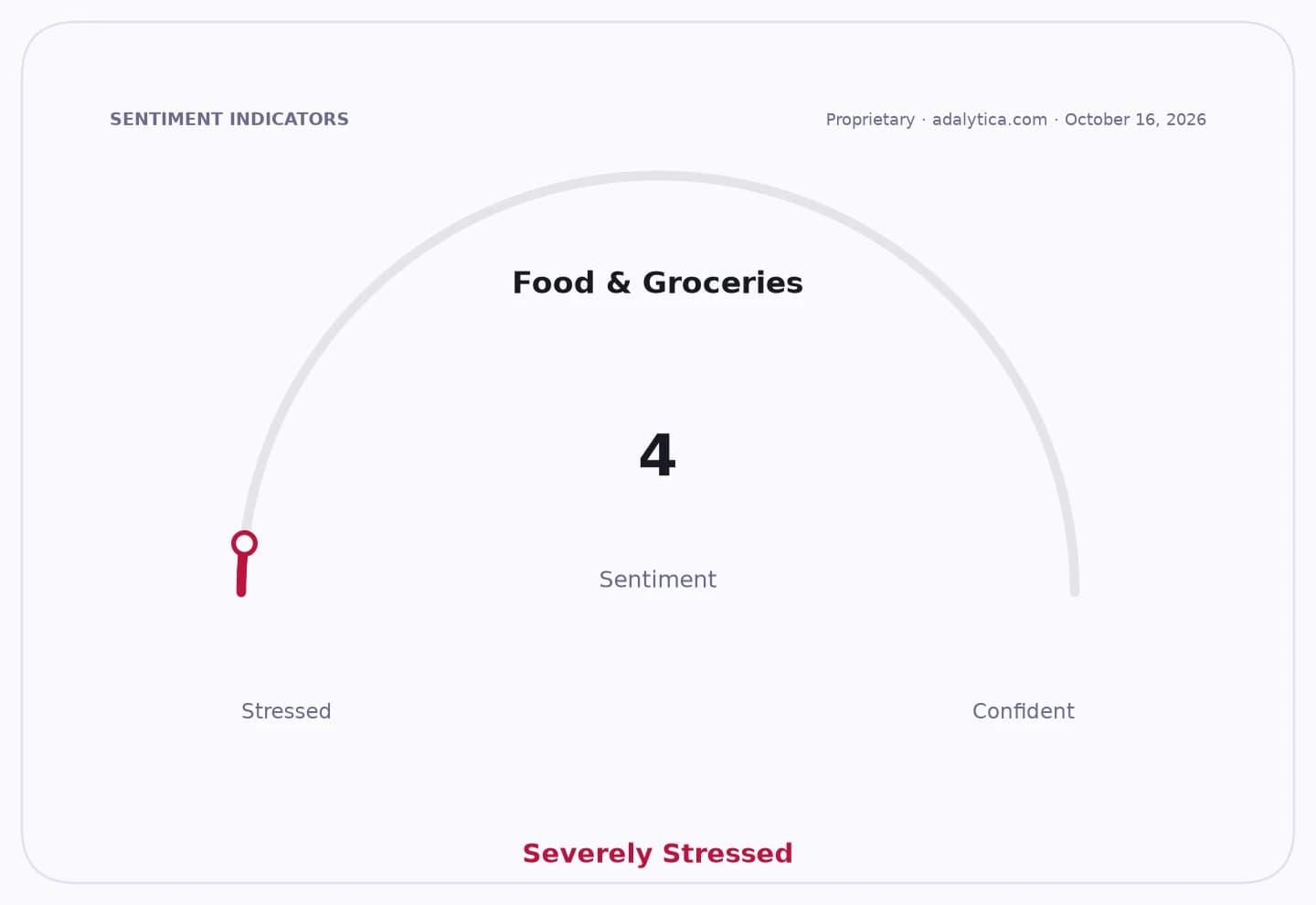
For investors, the plan points to possible spending opportunities in cold-chain logistics, ports, fisheries equipment and food distribution, while also introducing policy risk for seafood pricing and margins. The broader food sector is already under scrutiny in Indonesia, and food-and-grocery sentiment tracked by Adalytica remains neutral, suggesting the market is still waiting to see whether government interventions translate into tighter supply chains or higher end-user prices.
The next catalyst is the government’s detailed design of the pricing scheme, including which fish species are included and whether KNMP becomes a major state-linked buyer.
| Entity | Gains | Losses |
|---|---|---|
| Fishermen | ▲Higher, steadier prices | ▼Less downside on landings |
| Government food program | ▲More controlled procurement | ▼Higher administrative burden |
| Seafood buyers/processors | ▲More stable supply channel | ▼Higher input costs |
| Cold-chain/logistics firms | ▲More infrastructure demand | ▼Delayed rollout risk |