Grain prices returning to IDR 7,000 per kilogram is significant because it marks a better balance between farm economics and food supply, giving growers a clearer path back to profitability after a stretch of weak prices. For investors, that matters because food prices, farmer incomes and government intervention all feed into Indonesia’s inflation outlook, consumer spending power and the earnings prospects of companies tied to the agricultural chain.
Indonesia Grain Prices Rebound Near Key Profitability Level

Bapanas’ comment that farmers are “happy again” points to the central issue: when grain prices are too low, farmers cut back on planting, delay investment in inputs and struggle to cover basic costs. When prices recover, even modestly, it can restore confidence across the supply chain. That kind of improvement does not just help farm households; it can stabilize production volumes and reduce the risk of future shortages, which is why policymakers pay so much attention to it.
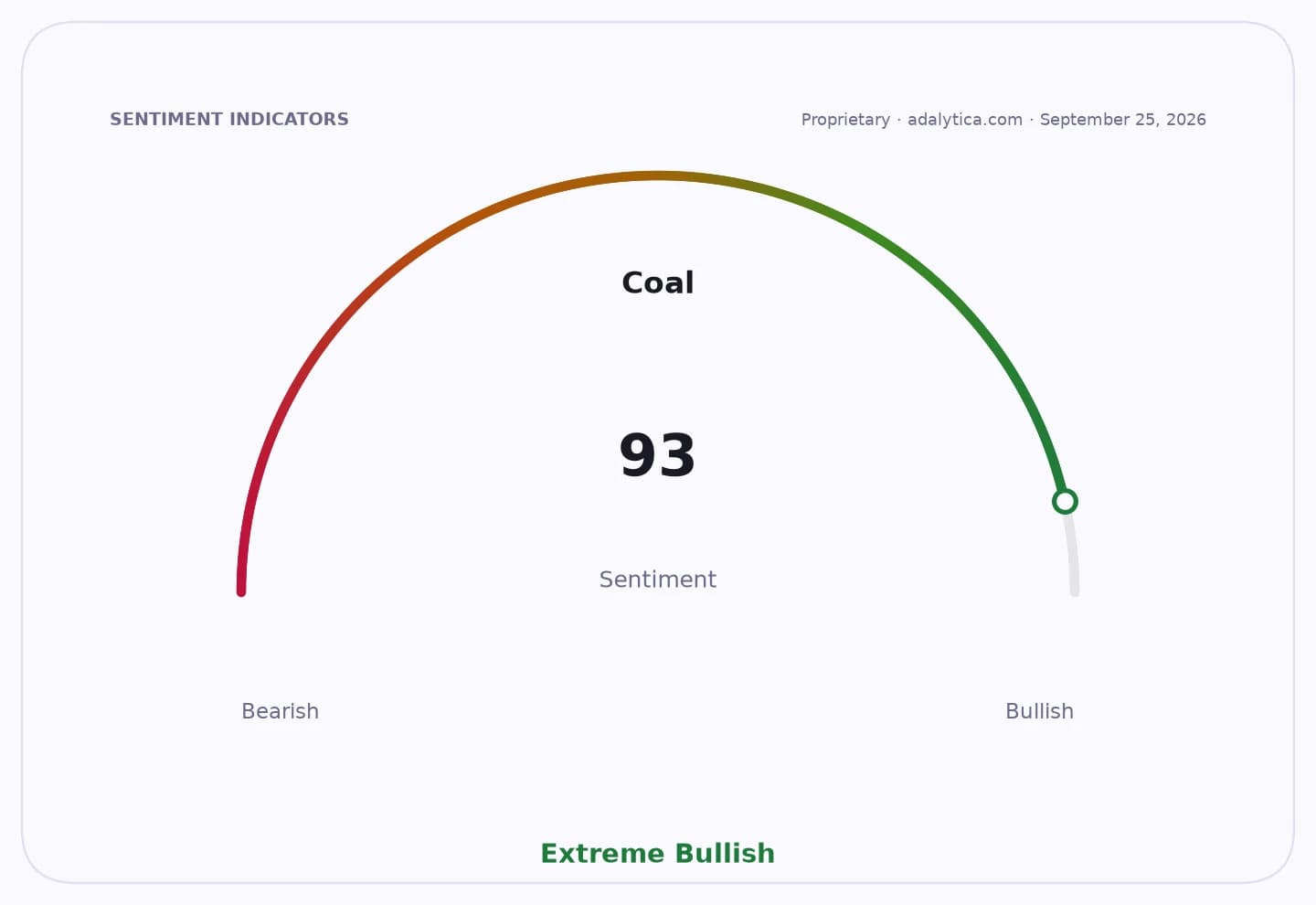
Sentiment IndicatorsⓘProprietary · adalytica.com · July 17, 2026
This is a snapshot — live sentiment, awareness and momentum for 130+ markets update continuously in the dashboard.Open AlphaPulse

The move also fits a broader pattern in global grain markets, where supply remains fragile. Ukraine’s loss of roughly a third of its grain export capacity, ongoing conflict in the Black Sea region and poor harvests in parts of Europe have all kept food markets volatile. At the same time, profit-taking in Chicago grain and oilseed contracts shows how quickly prices can swing once traders think the market has run too far. In other words, this is not a neat, one-directional rally — it is a market still being shaped by geopolitics, weather and policy.
For Indonesia, the bigger investment story is not a single day’s price move but the possibility of a more durable floor under farm-gate prices. If grain holds near this level, it could support rural incomes and help agricultural producers regain some bargaining power. That would be a tailwind for domestic consumption over time, especially in lower-income regions where farmers spend quickly when incomes improve.
There are still risks. If prices rise too far, consumers absorb the pain through higher food inflation. If they slip again, farmers lose confidence and the recovery fades. That is why the next few months will matter more than the headline itself: investors should watch whether the price improvement is sustained, whether government buying remains supportive and whether harvest conditions stay stable.
For long-term investors, the lesson is simple: food security and farm profitability are not background issues in an emerging market like Indonesia — they are part of the economic engine. Grain back at IDR 7,000 a kilo looks like a small number, but it could signal a healthier setup for farmers, policymakers and companies exposed to the agricultural cycle. Worth watching, and worth keeping on the watchlist for anyone thinking in years, not weeks.
| Entity | Gains | Losses |
|---|---|---|
| Indonesian farmers | ▲Better farm-gate pricing | ▼Less pricing pressure |
| Consumers | ▲More stable supply over time | ▼Higher food bills if prices climb further |
| Government/Bapanas | ▲Easier market stabilization | ▼More pressure if prices swing again |
| Grain buyers/processors | ▲Reliable local supply | ▼Higher input costs |