MSCI has opened a consultation on whether to cut Indonesia’s stock market from emerging market status to standalone, a move that could force billions of dollars out of local equities and deepen pressure on one of Southeast Asia’s biggest investment destinations.
Indonesia stocks fall on MSCI downgrade consultation

The consultation lands at a fragile moment for Indonesian markets. Shares tied to Indonesia fell 11% in the sharpest single-day drop in nearly 30 years, according to market context, as investors priced in the risk that a lower MSCI classification would push global funds to reduce exposure or exit entirely.
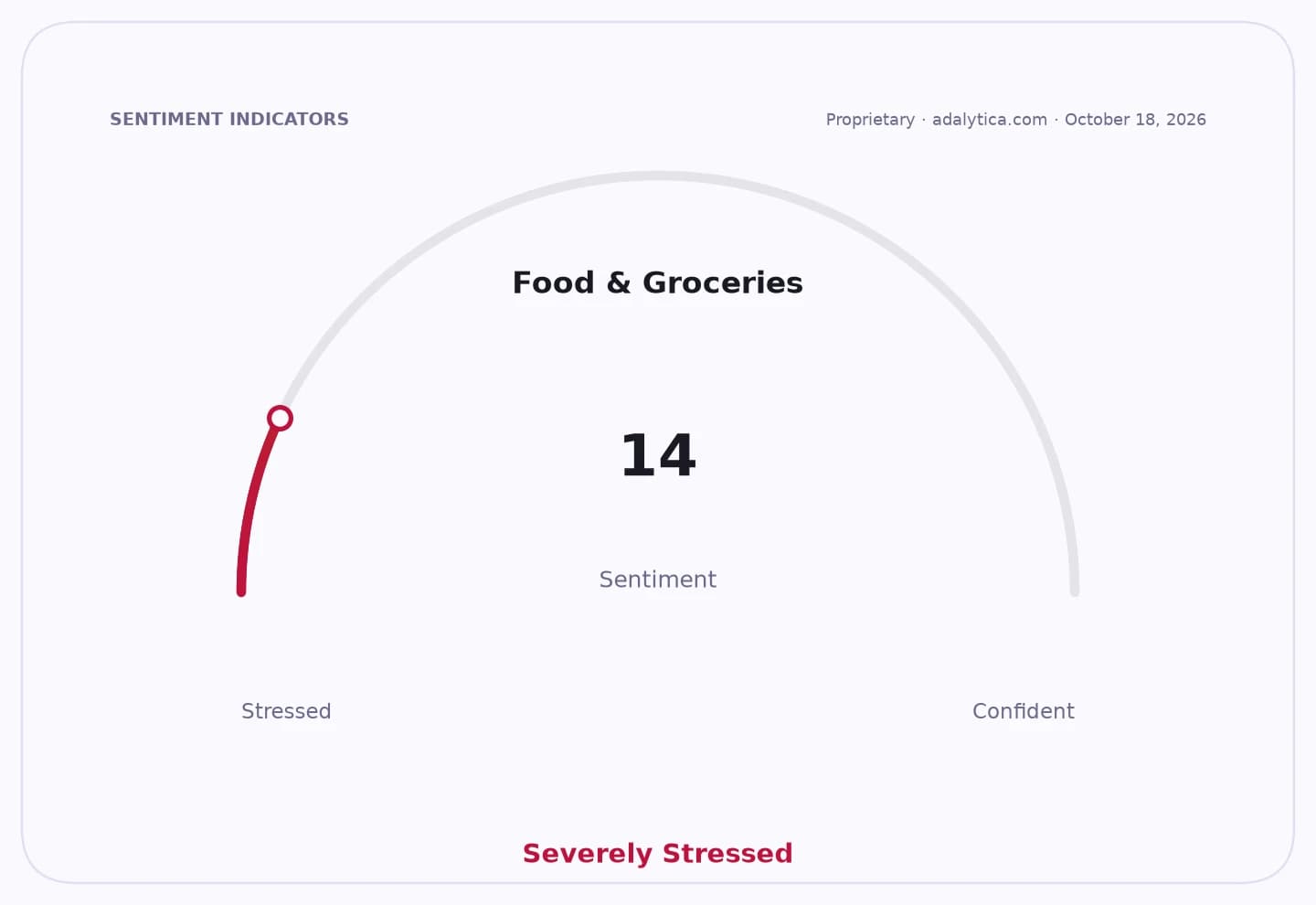
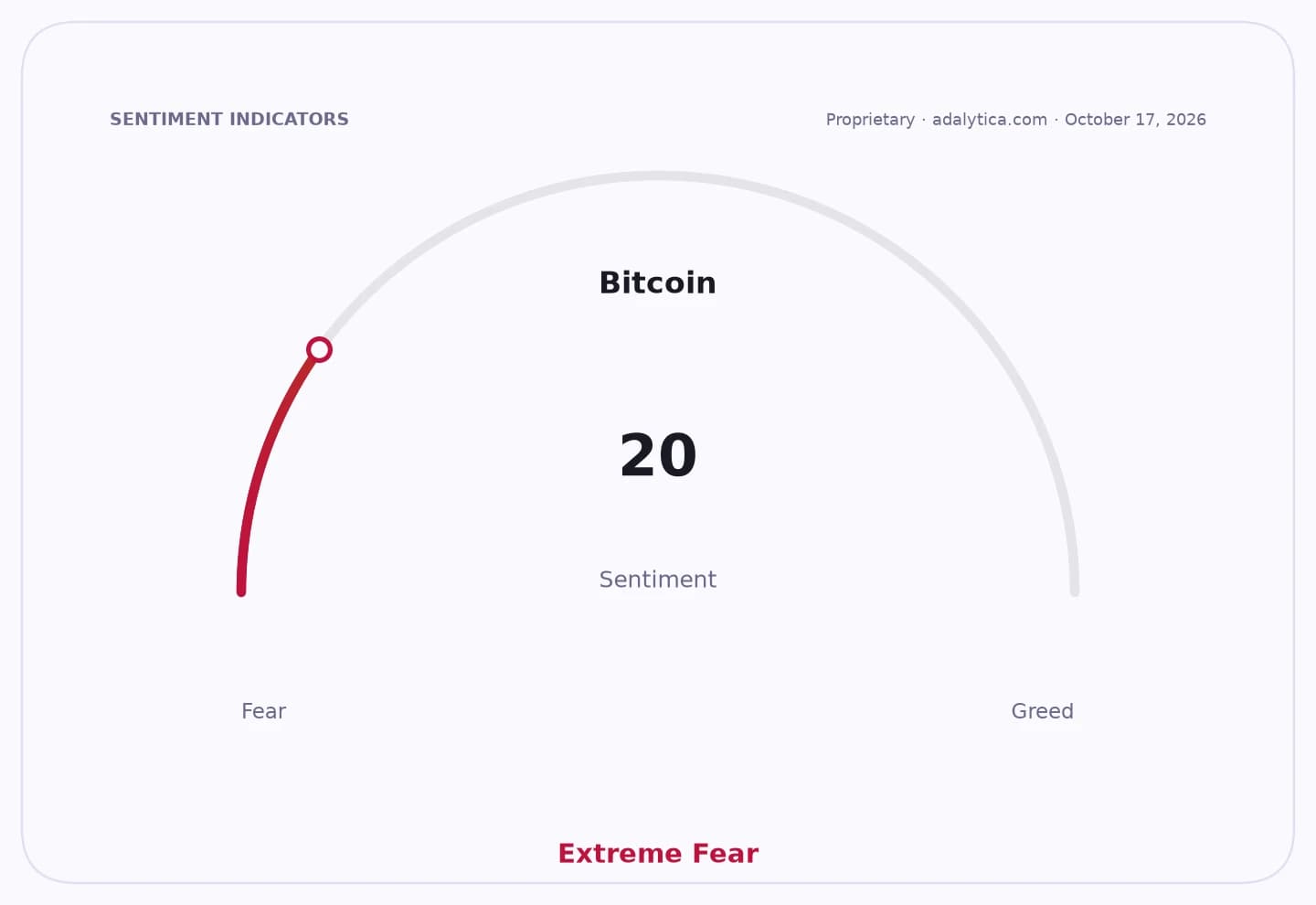
Sentiment IndicatorsⓘProprietary · adalytica.com · October 18, 2026
This is a snapshot — live sentiment, awareness and momentum for 130+ markets update continuously in the dashboard.Open AlphaPulse
For Indonesia, the issue is not just symbolic. MSCI’s benchmark labels influence passive and active capital flows worldwide, and a downgrade would make it harder for the country to attract foreign money at a time when the rupiah is already under strain and market confidence is weakening.
MSCI said investor concerns have grown over investability, including persistent uncertainty around share ownership structures and allegations of coordinated trading behavior. The index provider noted reforms by Indonesian market authorities, including more detailed disclosure of shareholders with stakes above 1%, richer investor classification reporting, disclosure of concentrated ownership and a roadmap toward a 15% minimum free float.
But MSCI said those steps need to be consistently implemented and show sustained material impact before they can offset the concerns. It plans a final decision by the end of June 2027, with interim updates possible during the consultation period.
The market reaction shows how sensitive investors are to benchmark risk. The iShares MSCI Indonesia ETF, EIDO, sank to $9.94 on Oct. 16 from $11.68 a day earlier, with volume jumping to 8.86 million shares, while the broader Indonesia index proxy also fell sharply. Technical readings on EIDO and the Indonesia proxy show both trading well below their 50-day and 200-day moving averages, underscoring the depth of the selloff.
A standalone classification would likely reduce Indonesia’s visibility in global portfolios and could trigger forced selling from funds tied to emerging-market indexes. That would raise funding costs for local companies, weaken liquidity and complicate efforts by policymakers to stabilize the rupiah and restore confidence.
Investors will now watch for MSCI’s interim commentary, any additional reforms from regulators and whether the consultation turns into a formal downgrade proposal. The longer the process drags on, the more the market will have to price in the chance that Indonesia becomes less relevant to global benchmark money.
| Entity | Gains | Losses |
|---|---|---|
| MSCI | ▲Benchmark credibility | ▼None immediately |
| Indonesian regulators | ▲Reform urgency | ▼Market confidence |
| Global EM funds | ▲Clarity on rules | ▼Exposure to Indonesia |
| Indonesian equities | ▲None | ▼Foreign inflows, liquidity |