Consumer confidence is surging in Indonesia and the Philippines, and that matters because in Southeast Asia’s biggest consumer markets, optimism is not just a mood — it is fuel for spending, revenue growth and, ultimately, corporate profits.
Indonesia, Philippines Consumer Confidence Supports Domestic Stocks

The latest readings point to a meaningful shift in the region’s demand outlook at a time when global investors are still wondering where the next reliable source of consumption growth will come from. For companies selling everything from food and household staples to telecom services, banking products and discretionary goods, a more upbeat consumer can translate into better sales volumes, steadier pricing power and stronger cash flow.
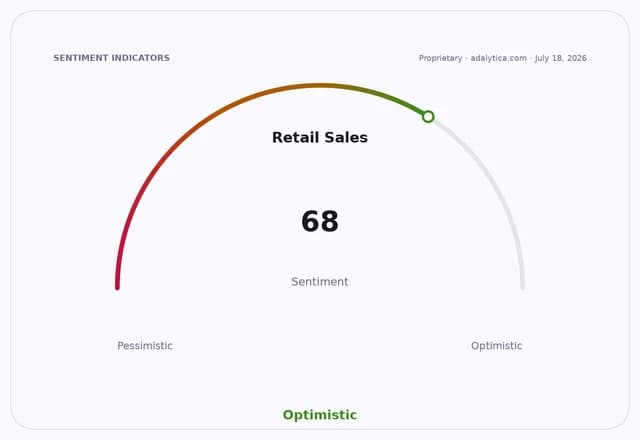
That is why this improvement should matter to long-term investors. When households feel better about jobs, incomes and inflation, they tend to spend more consistently, and that can help support earnings across domestic-focused businesses. In markets like Indonesia and the Philippines, where consumption is a major engine of the economy, confidence often leads actual activity rather than merely reflecting it.
The U.S. rebound in consumer confidence to a five-month high is a reminder that households globally are still willing to spend despite lingering inflation anxiety. But the more interesting story for investors is that Asia-Pacific’s consumer engines are not all moving in lockstep. Indonesia and the Philippines are standing out as relative bright spots, while broader regional sentiment remains more mixed, especially where income growth is uneven or balance sheets are still under pressure.
That divergence creates an investable narrative. Domestic demand in Indonesia and the Philippines can support retailers, banks, property-related names, telecom operators and consumer brands that are less dependent on exports and more tied to the daily spending habits of local households. In a world of uneven growth, those businesses can offer resilience.
The market has started to notice. The iShares China Large-Cap ETF, FXI, has been volatile and remains below key moving-average levels, showing how fragile sentiment can be in China-linked assets. By contrast, country funds tied to Indonesia and the Philippines have held up better, and the 50-day moving averages in those markets suggest they are trying to stabilize after earlier weakness. That is not a guarantee of near-term gains, but it does suggest investors are looking for pockets of domestic demand that are less exposed to global trade noise.
Technical readings also hint that consumer-sensitive Asia funds have been trying to recover from oversold conditions, with the Philippines ETF EPHE moving back above its 50-day moving average and Indonesia ETF EIDO showing a sharp rebound from recent lows. Those are conventional technical indicators, but they line up with the broader fundamental message: when confidence improves, domestic demand stories can re-rate quickly.
There are still real risks. Inflation can quickly eat into the purchasing power that confidence surveys capture, and higher-for-longer interest rates in the U.S. or locally could still weigh on credit growth and consumer appetite. But for investors with a three- to 10-year horizon, the bigger point is simpler: sustained confidence in Indonesia and the Philippines can compound into stronger earnings for the companies that serve their middle class.
If you are building a long-term portfolio, that makes these markets worth watching rather than chasing. The best way to play a consumer upswing is usually through diversified exposure to high-quality businesses and broad market funds, not a single hot trade. But if consumer confidence keeps rising, Indonesia and the Philippines could be two of Asia-Pacific’s more durable growth stories.
| Entity | Gains | Losses |
|---|---|---|
| Indonesian consumers | ▲Stronger spending power | ▼Inflation pressure |
| Philippine consumers | ▲Better spending outlook | ▼Higher rates |
| Domestic retailers and banks | ▲Higher volumes and loan demand | ▼Margin pressure from costs |
| Export-heavy Asia markets | ▲Less direct benefit | ▼Relative investor attention |