Indonesia’s rice supply looks increasingly like the market’s next food inflation flashpoint as a dry season and El Niño threat tighten the odds of higher import demand, firmer domestic prices and more policy intervention. For investors, that matters because rice is not just a staple in Indonesia; it is a political price anchor, and any strain on stocks can ripple through consumer inflation, grocery margins and broader emerging-market food commodity flows.
Indonesia Rice Squeeze May Lift Food Inflation
The setup is straightforward: officials are pushing farmers to keep planting, agencies are releasing three-month ration rice and millers are calling for a technical committee to protect production before the 2026/27 harvest. That is not the language of abundance. It is the language of a government trying to stay ahead of a supply shock while the weather remains uncertain.
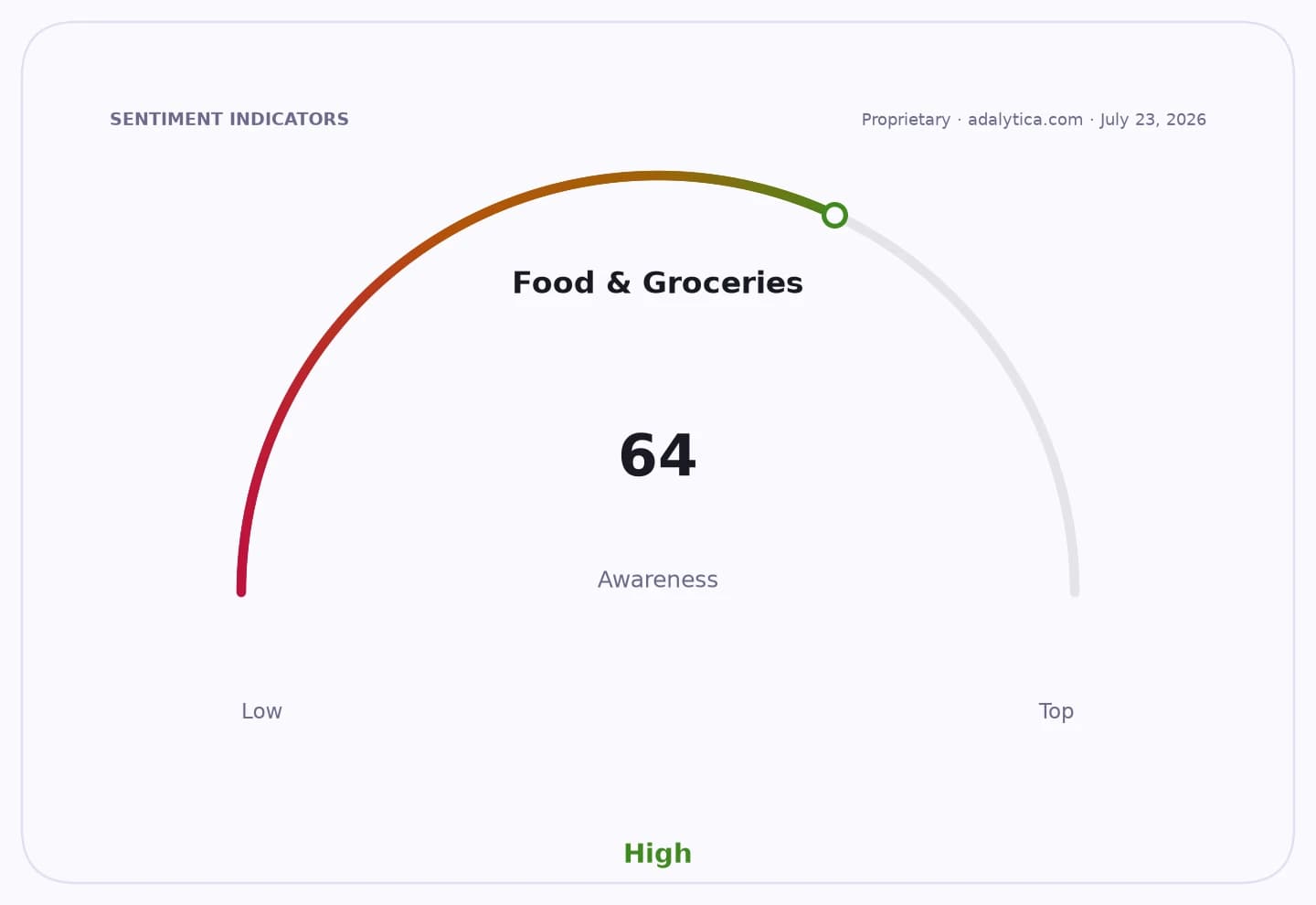
Sentiment IndicatorsⓘProprietary · adalytica.com · July 23, 2026
This is a snapshot — live sentiment, awareness and momentum for 130+ markets update continuously in the dashboard.Open AlphaPulse
The market is already signaling the strain. Rice prices have risen in parts of Aceh Tamiang, underscoring how quickly local shortages can filter into household budgets. In a country where rice is central to both diet and politics, even modest supply disruptions can force the state to lean harder on procurement, imports and subsidies. That can lift fiscal pressure at the margin, especially if the dry spell proves more severe than expected.
The bigger investment point is that food inflation is rarely confined to one country. When Indonesia, one of the world’s biggest rice consumers, starts preparing for El Niño damage, global traders begin to price in tighter Asian grain balances, higher freight demand and a broader bid for staple-food exposure. That helps explain why broad agricultural funds such as DBA have held firm, while rice-linked proxies like WEAT have surged to technically overbought levels, with RSI readings above 85 and price pressing the upper Bollinger Band. In plain English, the trade is getting crowded because investors know weather shocks can move food markets fast.
Food & Groceries — 30-day sentimentadalytica.com
Explore this data interactively — full history, time series and cross-market comparisons.Open AlphaPulse
The policy response also matters for second-order winners and losers. Governments usually respond to rice stress by leaning on importers, stockpilers, millers and distributors, while pressuring retailers and consumers to absorb the shock. That tends to support agri-trading houses, logistics providers and fertilizer or seed names that benefit from resilience spending, even as it compresses margins for downstream food processors and grocery chains if costs keep rising.
There is a deeper secular story here too. Climate volatility is turning staple grains into a recurring investment theme, not a one-off event. El Niño does not just threaten one harvest; it changes planting behavior, inventory policy and capital allocation across the agricultural supply chain. The companies and funds tied to storage, shipping, crop inputs and global grain origination are the ones that can benefit when governments move from managing harvests to managing scarcity.
My thesis is that the market underestimates how quickly Indonesia’s rice issue can become a regional inflation story, and how often these weather-driven shocks will repeat. If El Niño intensifies, expect more policy support, tighter inventories and stronger pricing power across the food complex. That is why investors should stay positioned in agricultural infrastructure and broad commodity exposure, while avoiding businesses that cannot pass through higher grain costs.
| Entity | Gains | Losses |
|---|---|---|
| Rice importers / traders | ▲Higher procurement volumes | ▼Tighter supply risk |
| Agricultural commodity ETFs | ▲Weather-driven inflows | ▼Crowded, volatile trades |
| Indonesian consumers | ▲Near-term state support | ▼Higher rice prices |
| Food retailers / processors | ▲None | ▼Margin pressure |