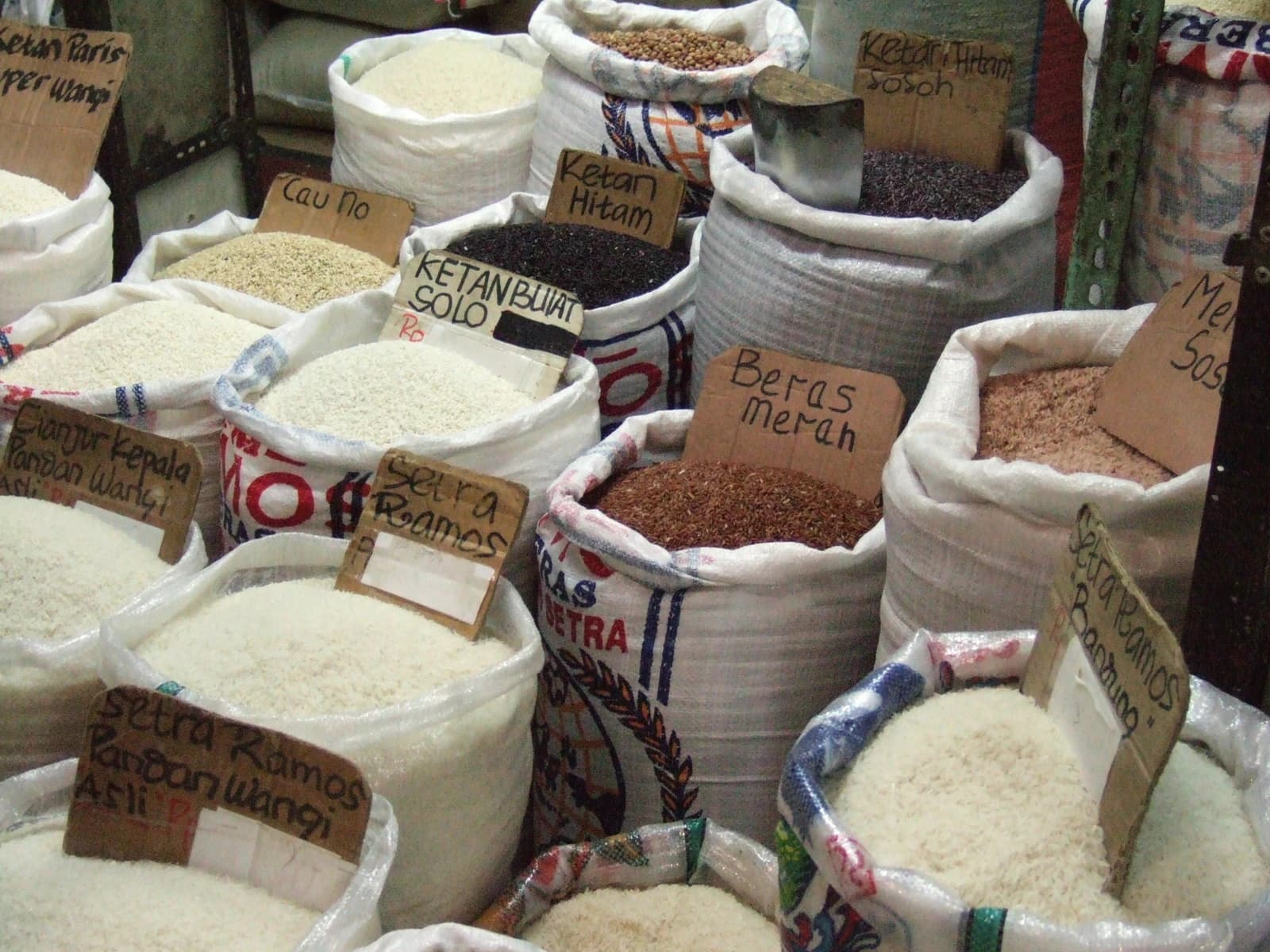
Rice may be plentiful on paper, but Indonesian households are still paying up, and that gap between national stock figures and market reality is the real economic problem.
Indonesia rice prices rise despite ample stock

That is the message from lawmaker Johan Rosihan, who warned that claims of ample rice reserves do not automatically mean consumers can buy affordable rice at their local market. For investors and policymakers, the issue matters because food inflation hits household purchasing power, raises business costs and can force the government into costly interventions to stabilize supplies.
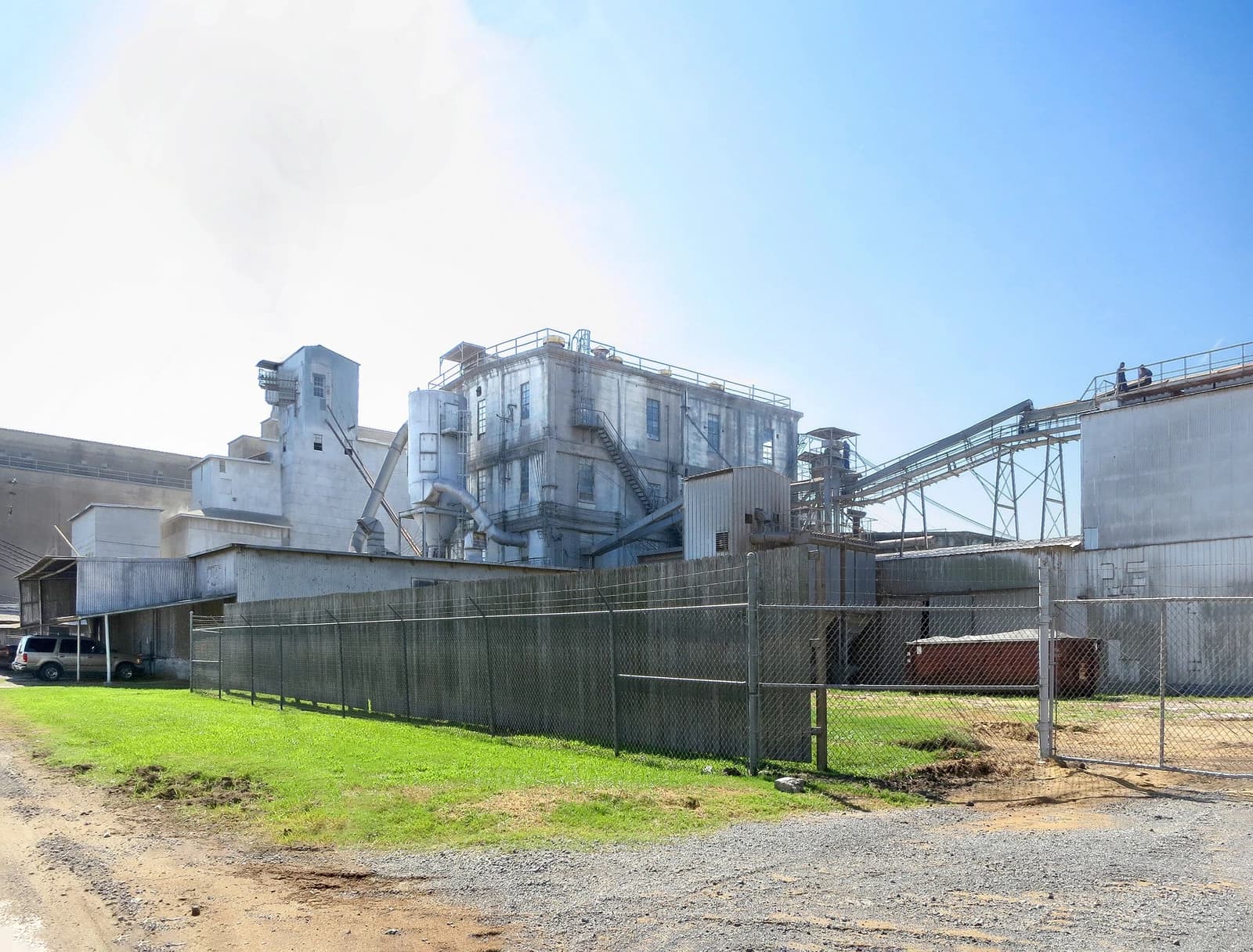
Rosihan’s point is that the supply chain is where the story really lives. When the peak harvest passes and paddy becomes harder to source, private mills must compete with Bulog, the state buyer, for raw grain. That competition can lift paddy prices, push up milling costs and eventually feed through to retail rice prices. In other words, a large headline stockpile does not prevent inflation if the grain is not in the right place, at the right time and in the right form for consumers.
That helps explain why prices can rise even when the national balance looks comfortable. Rosihan said the government should separate production, physical stock and actual market supply, rather than treating them as the same thing. He also called for more transparency on where stocks are held, who controls them, how much is released into the market and how rice moves across regions. For long-term investors, that kind of clarity matters because it determines whether food inflation is a temporary squeeze or a more persistent structural problem.
The pressure is not only at the retail end. Rosihan said the tight race to secure grain after harvest has already started to strain the milling layer, where higher input costs tend to travel all the way down the chain to consumers. At the same time, he rejected any attempt to suppress farm-gate prices just to make rice cheaper. That is important economically: Indonesia is trying to balance two goals that often collide — fair income for farmers and affordable food for households.
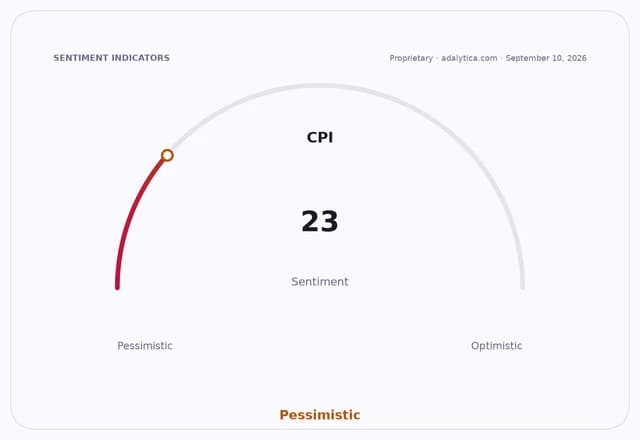
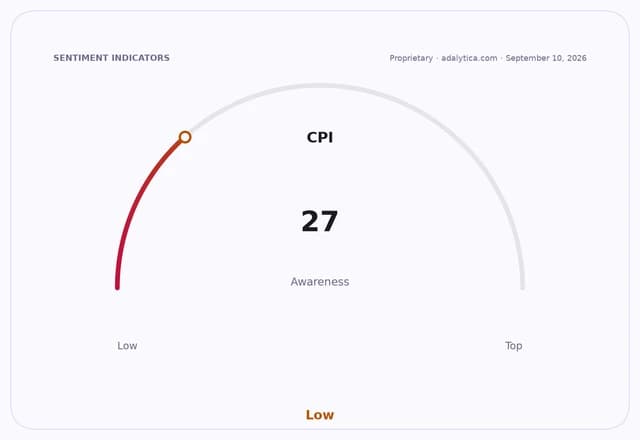
The broader backdrop is still one of stubborn food-price anxiety. Adalytica’s Food and Grocery Spending sentiment gauge sits in “Extreme Fear,” while its CPI sentiment reading is also in “Fear,” underscoring how sensitive consumers remain to basic staples. U.S. producer and consumer price series in the data context also point to a world where inflation remains a central investment theme, even if the numbers are not directly tied to Indonesia’s rice market.
For investors, the takeaway is straightforward: rice pricing is not just an agricultural issue, it is a macro issue. If stockpiles fail to reach the market efficiently, the result can be higher inflation, weaker consumer spending and more government intervention. That is why the real question is not whether Indonesia has enough rice in storage, but whether its supply chain can deliver it without squeezing both farmers and shoppers. Worth watching.
| Entity | Gains | Losses |
|---|---|---|
| Farmers | ▲Higher paddy prices | ▼If policy shifts cap farm-gate gains |
| Consumers | ▲Better transparency, if reforms work | ▼Higher rice bills |
| Bulog | ▲Stronger policy role | ▼Pressure to explain stock releases |
| Private mills | ▲— | ▼Higher grain costs |