Indonesia is trying to do something investors in agricultural supply chains care about a lot: reduce its dependence on imported soybeans by improving local seed production. The Agriculture Ministry’s partnership with Unesa to grow soybean seeds may sound modest, but over time it could help reshape costs for farmers, strengthen domestic food security and ease the country’s exposure to volatile global commodity markets.
Indonesia Pushes Soybean Seed Self-Sufficiency
That matters because soybeans are not just another crop in Indonesia. They sit at the center of everyday food demand, from tofu and tempeh to animal feed, which means import dependence can quickly turn into a balance-of-payments and inflation issue when global prices move. If higher-quality seeds lift yields and make local production more reliable, Indonesia can slowly chip away at import volumes and keep more of the value chain at home.
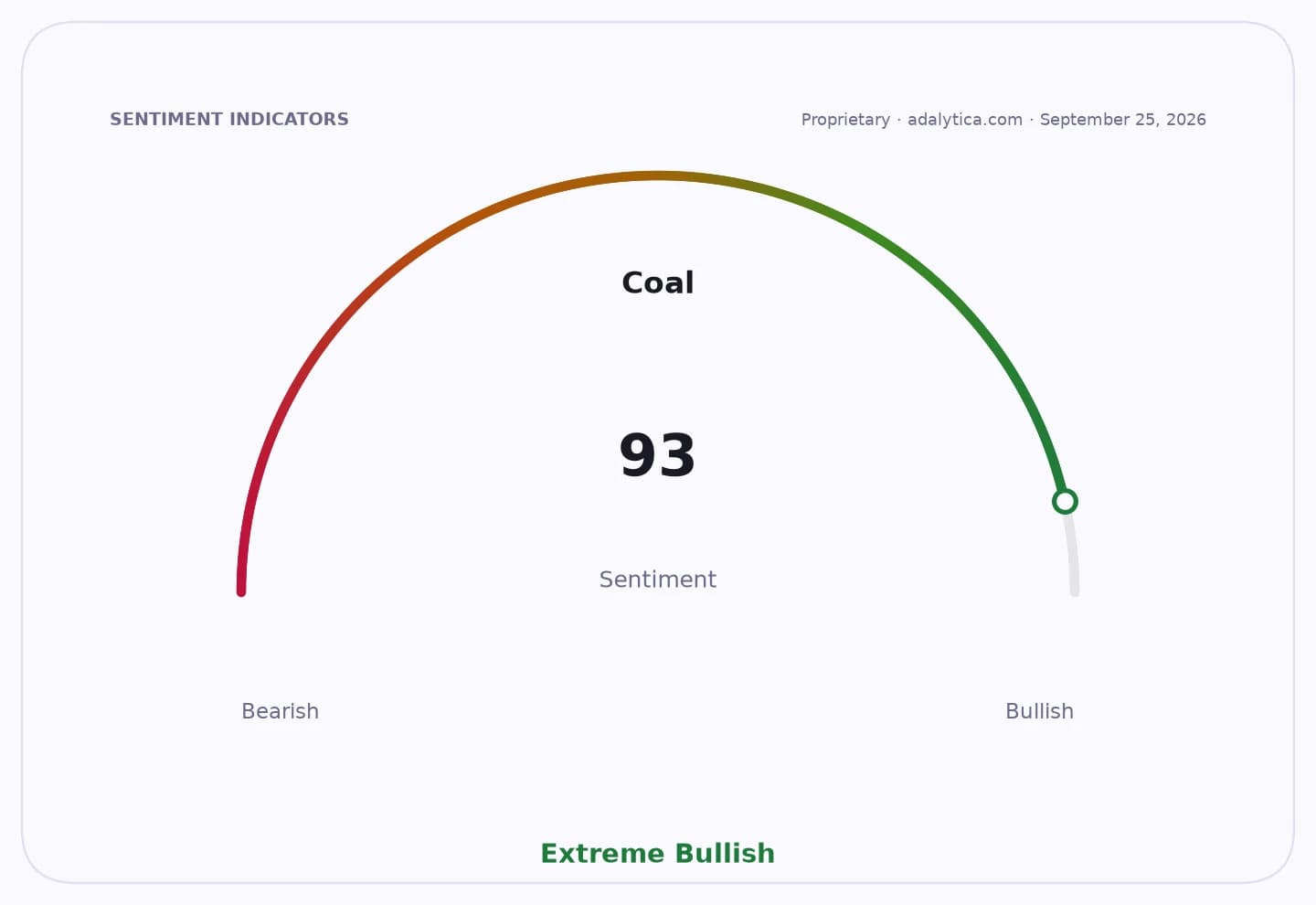
Sentiment IndicatorsⓘProprietary · adalytica.com · July 28, 2026
This is a snapshot — live sentiment, awareness and momentum for 130+ markets update continuously in the dashboard.Open AlphaPulse
The timing is useful. Global agriculture is still being tugged by fluctuating commodity prices, shifting trade policies and weather risks, while broader inflation pressures remain sensitive to food costs. Even if crude oil has eased from recent highs and U.S. yields have settled back near the high-4% range, food importers still face a world where logistics, fertilizer costs and currency swings can quickly squeeze margins. For a country like Indonesia, that is a strong argument for more self-sufficiency in staple crops.
For investors, the story is less about a single partnership and more about the direction of travel. A stronger domestic soybean pipeline could be a long-term headwind for importers and global traders that rely on Indonesian demand, while potentially creating opportunities for local seed developers, farm input suppliers and agri-services firms tied to productivity gains. It also fits a broader emerging-market theme: governments want more control over food inflation, and that often means investing in genetics, agronomy and rural productivity rather than relying on world markets.
The near-term impact will likely be limited, because seed programs take seasons, not weeks, to translate into higher output. But for long-term investors, that is exactly why it matters. These are the kinds of policy moves that can compound quietly over time, lowering structural import bills and improving farm economics if execution is good.
For now, the most important takeaway is simple: Indonesia’s soybean seed push is a small step with potentially outsized payoff, and it is worth watching as a long-term food-security and import-substitution story.
| Entity | Gains | Losses |
|---|---|---|
| Indonesian farmers | ▲Better seed access | ▼Slow payoff risk |
| Domestic consumers | ▲More stable supply | ▼Little near-term relief |
| Importers/traders | ▲Less clear upside | ▼Demand erosion |
| Seed developers/input suppliers | ▲New growth opportunity | ▼Execution risk |