The Indonesian rupiah extended its rebound to 17,755 per US dollar on Monday as traders bet the Strait of Hormuz will reopen soon, easing one of the biggest geopolitical risks hanging over energy and foreign-exchange markets.
Indonesian rupiah rebounds to 17,755 per dollar
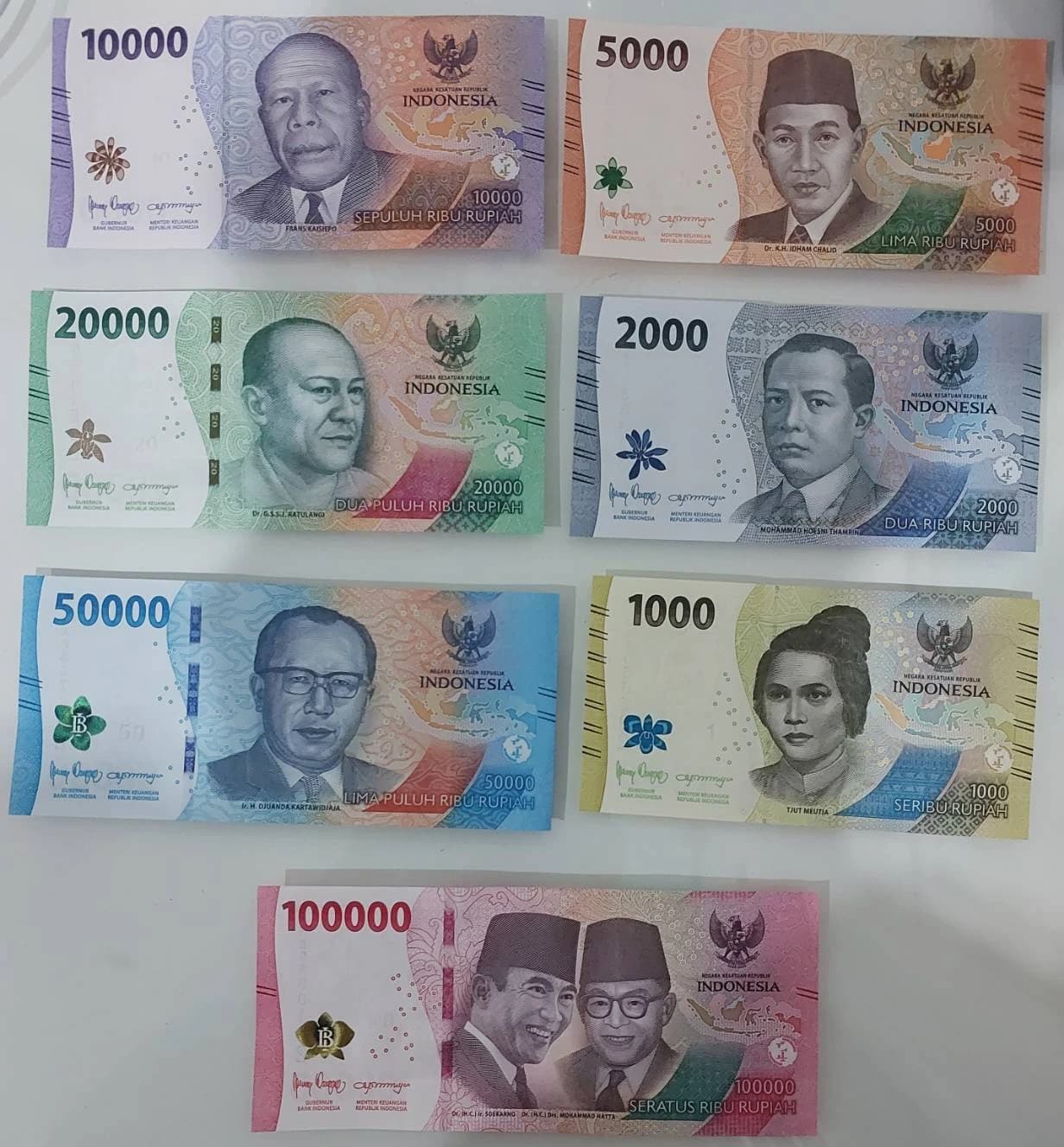
The move matters because a less-threatening outlook for the shipping chokepoint tends to cool crude oil prices, reduce demand for safe-haven dollars and give import-dependent Asian currencies room to recover. For Indonesia, a stronger rupiah also helps soften imported inflation and eases pressure on Bank Indonesia to defend the currency aggressively.
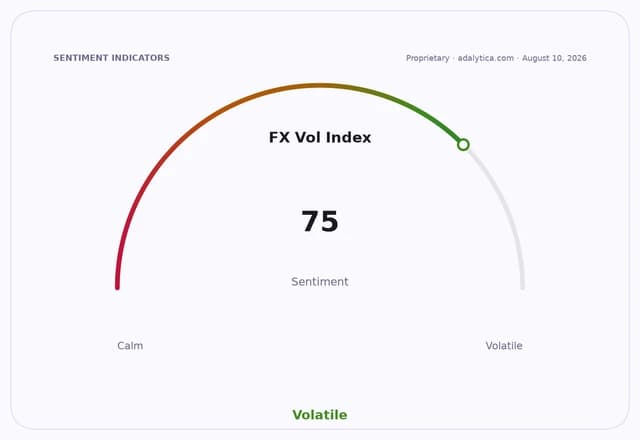
Sentiment IndicatorsⓘProprietary · adalytica.com · August 10, 2026
This is a snapshot — live sentiment, awareness and momentum for 130+ markets update continuously in the dashboard.Open AlphaPulse
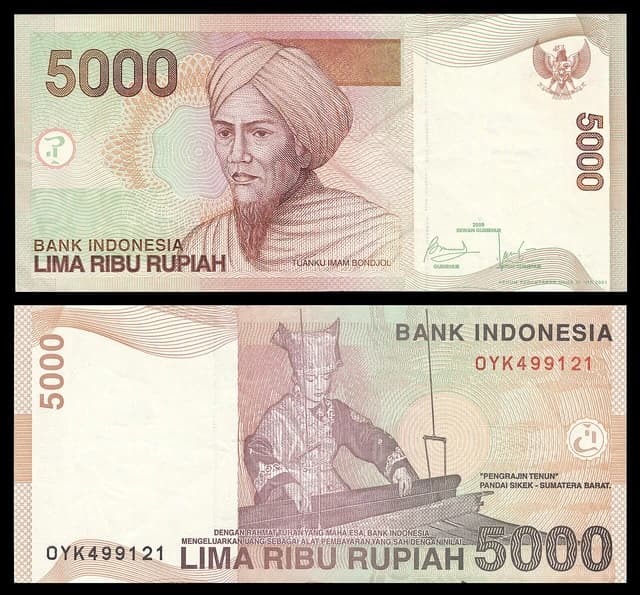
Rupiah trading has firmed after four straight days of gains, with the currency now back from levels near 17,900 per dollar earlier in the week. The dollar index was little changed around 99.71, while market positioning still points to broad demand for the greenback: Adalytica’s US Dollar Trade Signals showed extreme greed, even as the rupiah advanced.
Oil markets are the key transmission channel. USO, a fund tracking U.S. crude exposure, slipped to 117.98, down from last week’s peaks, reflecting a pullback in energy risk premiums as investors anticipated a less disruptive outcome in the Gulf. Technical readings on the dollar index also show momentum fading, with the benchmark below its 50-day moving average and its relative strength index in oversold territory.
For investors, the immediate question is whether the rupiah can hold these gains if Hormuz tensions keep easing and crude remains capped. A sustained move stronger than IDR 17,755 would likely support local bonds and equities by reducing imported-cost pressure, while a reversal would quickly revive demand for dollars and hedging.
The next catalyst is any confirmation on Gulf shipping flows and fresh U.S. dollar direction, which will decide whether the rupiah’s latest rally becomes a short squeeze or a more durable repricing.
| Entity | Gains | Losses |
|---|---|---|
| Indonesian rupiah | ▲Stronger FX, lower import costs | ▼Exporters with dollar revenue |
| Indonesian importers | ▲Cheaper dollar-denominated inputs | ▼Dollar buyers and hedgers |
| U.S. dollar | ▲Safe-haven demand fades | ▼Bulls betting on sustained strength |
| Oil markets | ▲Risk premium eases | ▼Producers and energy longs |




