The Indonesian rupiah weakened to Rp17,869 per US dollar on Wednesday morning, underscoring how persistent dollar demand and broader risk aversion are still leaving Southeast Asia’s biggest economy exposed to global financing conditions.
Indonesian rupiah falls to 17,869 per dollar
The move matters because the rupiah is one of the region’s most watched barometers for capital flows and imported inflation. A weaker currency raises the local cost of fuel, food and other dollar-priced imports, complicating Bank Indonesia’s job at a time when policymakers are trying to preserve growth without allowing price pressures to re-accelerate.
Sentiment IndicatorsⓘProprietary · adalytica.com · August 12, 2026
This is a snapshot — live sentiment, awareness and momentum for 130+ markets update continuously in the dashboard.Open AlphaPulse
For investors, the print near Rp18,000 keeps attention on whether authorities will need to lean more heavily on intervention or tighter policy signals to defend the currency. The rupiah has repeatedly tested that psychologically important level in recent weeks, and each move lower tends to feed hedging demand from corporates and foreign portfolio holders, while also pressuring local bonds and equities sensitive to external funding costs.
The latest move comes even as Indonesia’s domestic backdrop has shown some signs of resilience. That contrast is central to the trade-off facing markets: local fundamentals can cushion the currency, but they often struggle to offset stronger US dollar conditions, shifting global rate expectations and episodic geopolitical stress.
That dynamic has also been visible in exchange-traded assets tied to Indonesia. The iShares MSCI Indonesia ETF, EIDO, has been on a volatile path and was last at 12.48, far below its 200-day moving average of 15.6, a sign that investor sentiment toward Indonesian risk assets remains fragile despite intermittent rebounds. China-focused markets have been comparatively firmer, with the FXI ETF holding above its 50-day moving average, but that has not translated into broad relief for emerging-market currencies.
The broader macro backdrop remains unfavorable for lower-yielding Asian currencies if US Treasury yields stay elevated. The 10-year Treasury yield was last around 4.724%, keeping the dollar supported against a wide range of peers and reinforcing the pressure on currencies that rely on steady foreign inflows to finance deficits and investment.
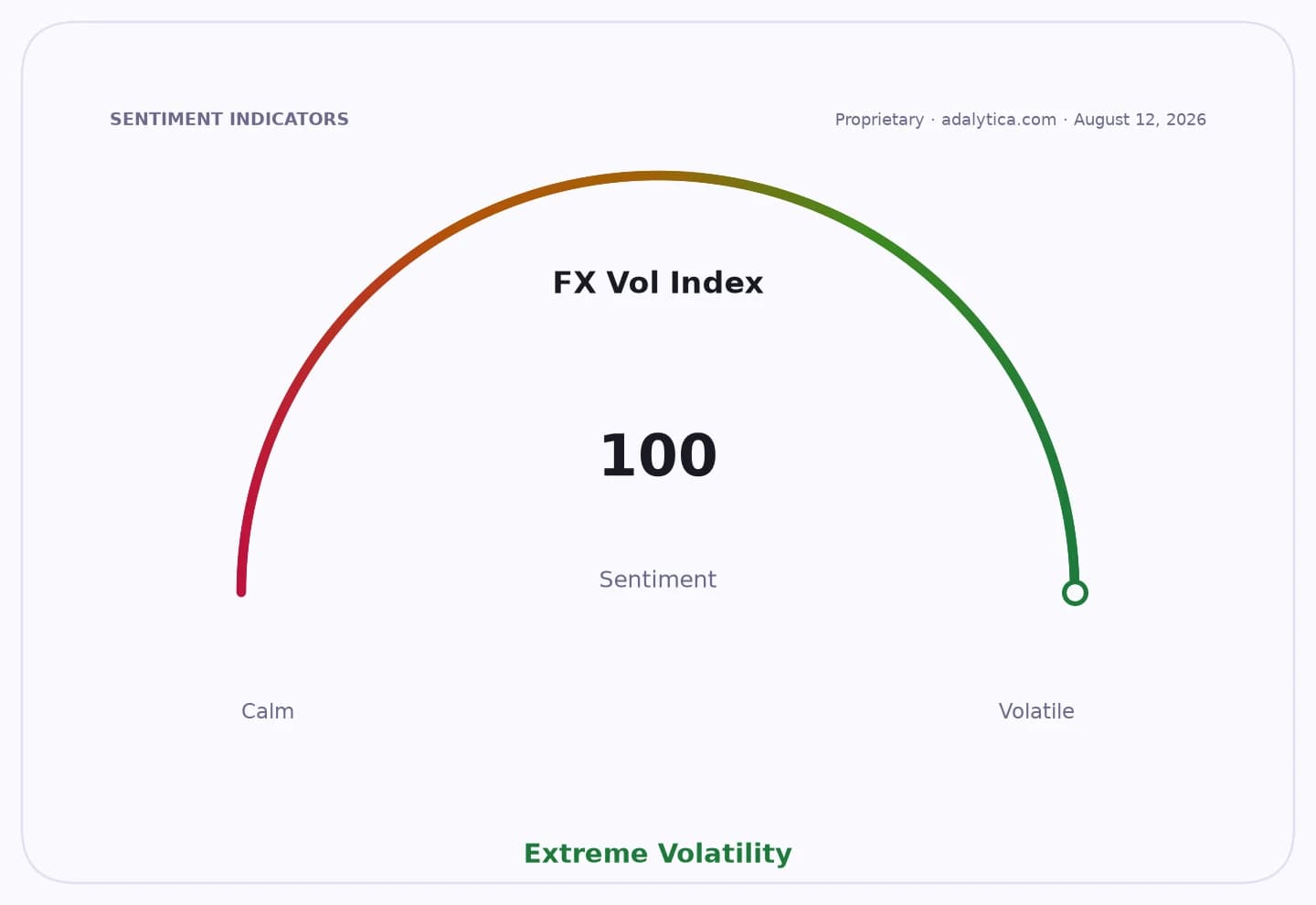
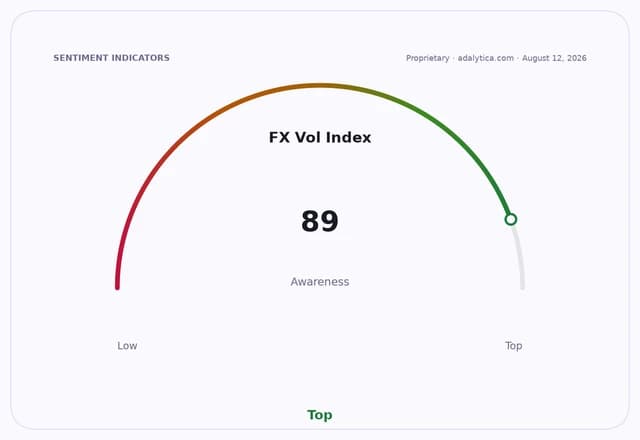
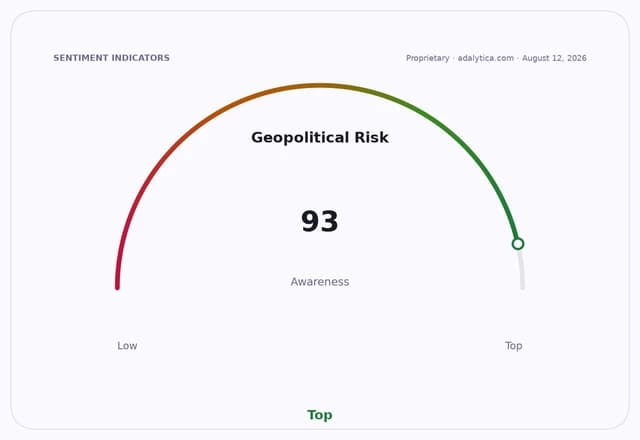
Adalytica’s FX volatility trading signals showed “Extreme Greed” for volatility, while its global stability gauge also registered “Extreme Greed,” suggesting markets are pricing continued turbulence rather than a clean turn in sentiment. For the rupiah, that means the near-term question is less about a quick recovery and more about whether Bank Indonesia can slow the slide before it becomes a broader test of market confidence.
If the rupiah can hold above the 18,000 line, investors may read that as evidence that policy support and reserve buffers are still working. If it breaks through decisively, the pressure would likely spread to importers, local bond yields and equities with heavy foreign-currency exposure.
| Entity | Gains | Losses |
|---|---|---|
| US dollar | ▲Strengthens on yield support | ▼None in the near term |
| Indonesian importers | ▲None | ▼Higher dollar-cost inputs |
| Bank Indonesia | ▲More room to defend credibility if supported | ▼Greater intervention pressure |
| Indonesian equities and bonds | ▲Select exporters may benefit | ▼Foreign-owned risk assets under pressure |




