Inflation is back in the political crosshairs, and Democrats are aiming their message squarely at Donald Trump as they try to turn voter frustration over prices into an advantage in crucial US Senate elections.
Inflation Returns to the 2024 Campaign Trail
The attack line matters because inflation remains one of the clearest, most durable inputs to household sentiment and ballot-box behavior. Even after a 0.4% decline in the consumer price index from May to June, prices are still running far above pre-pandemic levels, leaving both parties vulnerable to accusations over the cost of living and the Federal Reserve still wary of declaring victory.
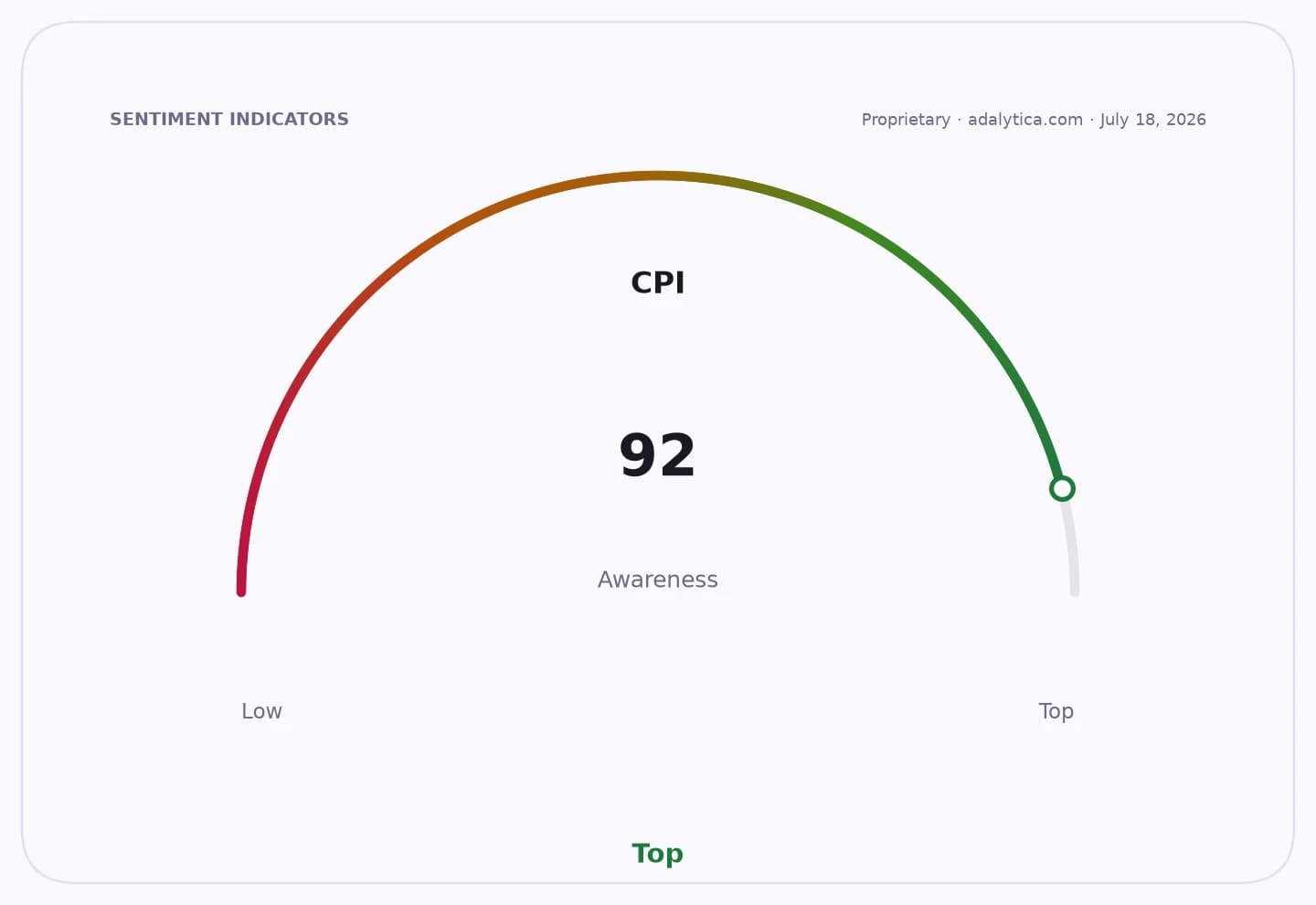
Sentiment IndicatorsⓘProprietary · adalytica.com · July 18, 2026
This is a snapshot — live sentiment, awareness and momentum for 130+ markets update continuously in the dashboard.Open AlphaPulse
The latest CPI data show headline inflation at 332.568 in June from 333.979 in May, with economists expecting a rebound to 335.512 in July. Core CPI, which strips out food and energy, was essentially flat at 336.065 in June after 336.121 in May, underscoring how stubborn underlying price pressures remain.
That backdrop helps explain why inflation has become a campaign weapon again. Democrats are trying to link higher prices to Trump-era economic policies and to frame the election as a test of who can better protect wages and household purchasing power, while Republicans are counting on voters to keep blaming the incumbent party for persistent price pain.
CPI — 30-day sentimentadalytica.com
Explore this data interactively — full history, time series and cross-market comparisons.Open AlphaPulse
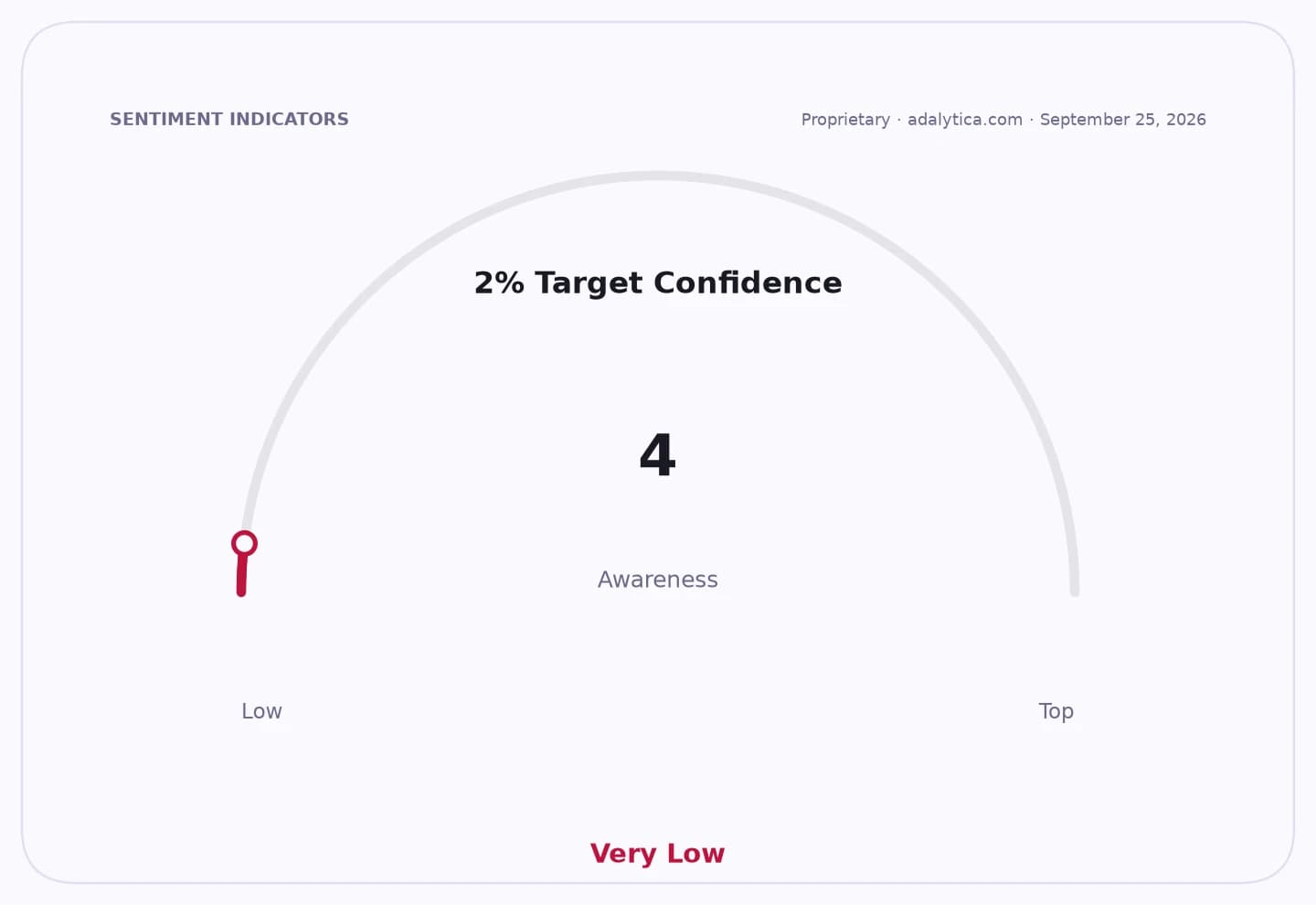
For investors, the political edge of inflation matters because it feeds directly into expectations for rates, bonds and sector positioning. The 10-year Treasury ETF TLT has been volatile around the mid-80s, while the Dow-tracking DIA and small-cap IWM have also been choppy as markets weigh the odds that inflation keeps the Federal Reserve cautious. Adalytica’s inflation-target confidence gauge remains in extreme fear territory, even as CPI sentiment is neutral, signaling that traders and consumers still see the inflation problem as unresolved.
The campaign focus also underscores a broader macro risk: if inflation stays sticky into the autumn, it could tighten the Fed’s room to cut rates and keep borrowing costs elevated for longer, a headwind for rate-sensitive equities and a possible tailwind for the dollar. The next round of inflation data will likely determine whether Democrats can keep the issue front and center — or whether price relief starts to blunt one of their most potent election-year arguments.
| Entity | Gains | Losses |
|---|---|---|
| Democrats | ▲Blame Trump for prices | ▼If inflation cools quickly |
| Donald Trump / Republicans | ▲Can argue voters distrust incumbents | ▼Risk becoming inflation scapegoat |
| Treasury bulls | ▲Any sign of easing inflation | ▼Sticky CPI and higher yields |
| Rate-sensitive stocks | ▲Softer inflation and easier Fed | ▼Longer-for-higher rates |