Inflation may be cooling, but it is still doing the one thing markets hate most: forcing investors to choose between bad options.
Inflation Favors Income and Premium Strategies

That is the real story behind this year’s frustrating tape. The S&P 500 has been able to rally, long-duration Treasuries have tried to stabilize, and the dollar has swung around, but none of it has delivered a clean win for the average investor. When prices keep rising and rates stay higher for longer, the market stops rewarding passive buy-and-hold in the old 60/40 sense and starts favoring strategies that collect premium, earn carry, or simply survive volatility. In other words, theta gets paid.
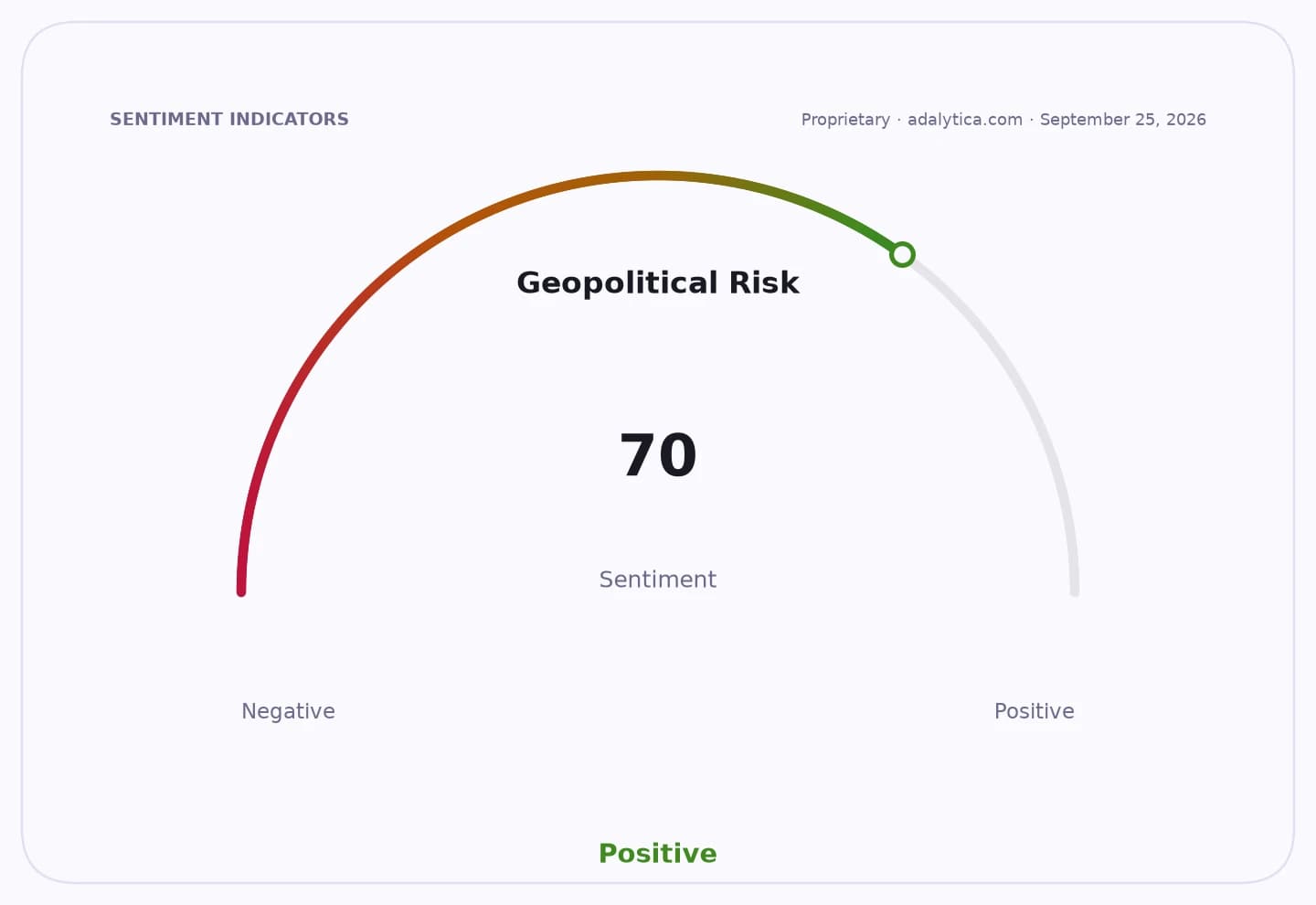
Sentiment IndicatorsⓘProprietary · adalytica.com · July 20, 2026
This is a snapshot — live sentiment, awareness and momentum for 130+ markets update continuously in the dashboard.Open AlphaPulse

The macro backdrop explains why. Consumer prices are still running well above the Federal Reserve’s comfort zone, with the CPI series showing inflation far from its pre-pandemic norms even after the sharp pullback from the peak. At the same time, the fed funds rate remains elevated around 3.6% to 3.7%, while the 10-year Treasury yield is still near 4.6%. That is not a friendly setup for bond investors hoping for capital gains, and it is not exactly a “risk assets only go up” environment either.
For stock investors, the damage is subtler but still real. The S&P 500 has recovered to the mid-700s, and the 50-day moving average is only barely supporting the index, but the recent price action shows a market still wrestling with higher real rates and uneven sentiment. Adalytica’s S&P 500 trade signals put sentiment at 18, labeled fear, with awareness also subdued. That kind of backdrop tends to reward disciplined income strategies and punish investors who chase every rebound or sell every dip.
CPIAUCSL vs FEDFUNDS — macro contextadalytica.com
Explore this data interactively — full history, time series and cross-market comparisons.Open AlphaPulse
Bondholders have had their own version of the same pain. TLT, the long Treasury ETF, is still trading below its 200-day moving average, and its RSI has been pinned at deeply oversold levels. That tells you the bond market is not pricing in a straightforward return to the easy-money era. Investors who expected duration to be a reliable hedge have instead been caught in a bind: yields remain high enough to pressure prices, but inflation is still high enough to limit the Fed’s room to cut aggressively.
This is why the “theta gang” trade has worked so well. In a market where neither bulls nor bears can build a durable trend, option sellers can harvest time decay while everyone else pays for direction that never quite arrives. That does not mean selling options is risk-free — far from it. But it does mean the market has been rewarding patience, diversification and income generation more than heroic conviction.
Robinhood’s stock, for example, has shown just how violently sentiment can swing when investors crowd into momentum and then unwind it. It surged, then gave back a big chunk of that gain as the market re-priced risk and rates. That kind of whipsaw is exactly why long-term investors should avoid treating a volatile year like a permanent change in fundamentals. The businesses and indices that can compound over years still matter most — but valuation, cash flow and balance-sheet quality matter more when money is no longer free.
The bigger lesson is simple: inflation is not just an economic statistic, it is a return throttle. It raises the hurdle rate for every asset, compresses bond returns, complicates equity multiples and keeps cash-flow-producing strategies in the spotlight. If you are building wealth over the next 3 to 10 years, the answer is not to time every move in and out of stocks or bonds. It is to own resilient businesses, diversify broadly, and understand that in choppy, rate-sensitive markets, income and discipline can matter as much as upside.
For investors, that makes this a year to stay humble. The winners have been the ones getting paid to wait; the losers have been the ones insisting on a clean trend in a messy macro world. That is worth keeping on your watchlist.
| Entity | Gains | Losses |
|---|---|---|
| Option sellers | ▲Time decay income | ▼Tail-risk if trends break |
| Inflation-linked cash holders | ▲Better real returns | ▼Lower future purchasing power if idle |
| Equity index funds | ▲Long-run compounding | ▼Short-term volatility and valuation pressure |
| Long-duration bondholders | ▲Potential yield if reinvested | ▼Price losses from sticky inflation |