Intel’s stronger-than-expected second quarter did not convince Wall Street that the turnaround is durable, with the stock sliding toward the mid-$80s even after data center revenue jumped 59% and the company leaned harder into AI-related demand.
Intel falls to $84.23 after 59% data center growth
The selloff matters because Intel has become a test case for whether earnings growth in the semiconductor industry can keep pace with the capital being poured into AI infrastructure. Investors have been willing to reward any company tied to AI spending, but they are increasingly demanding proof that the revenue surge translates into sustained margin improvement, not just a temporary boost from one product cycle.
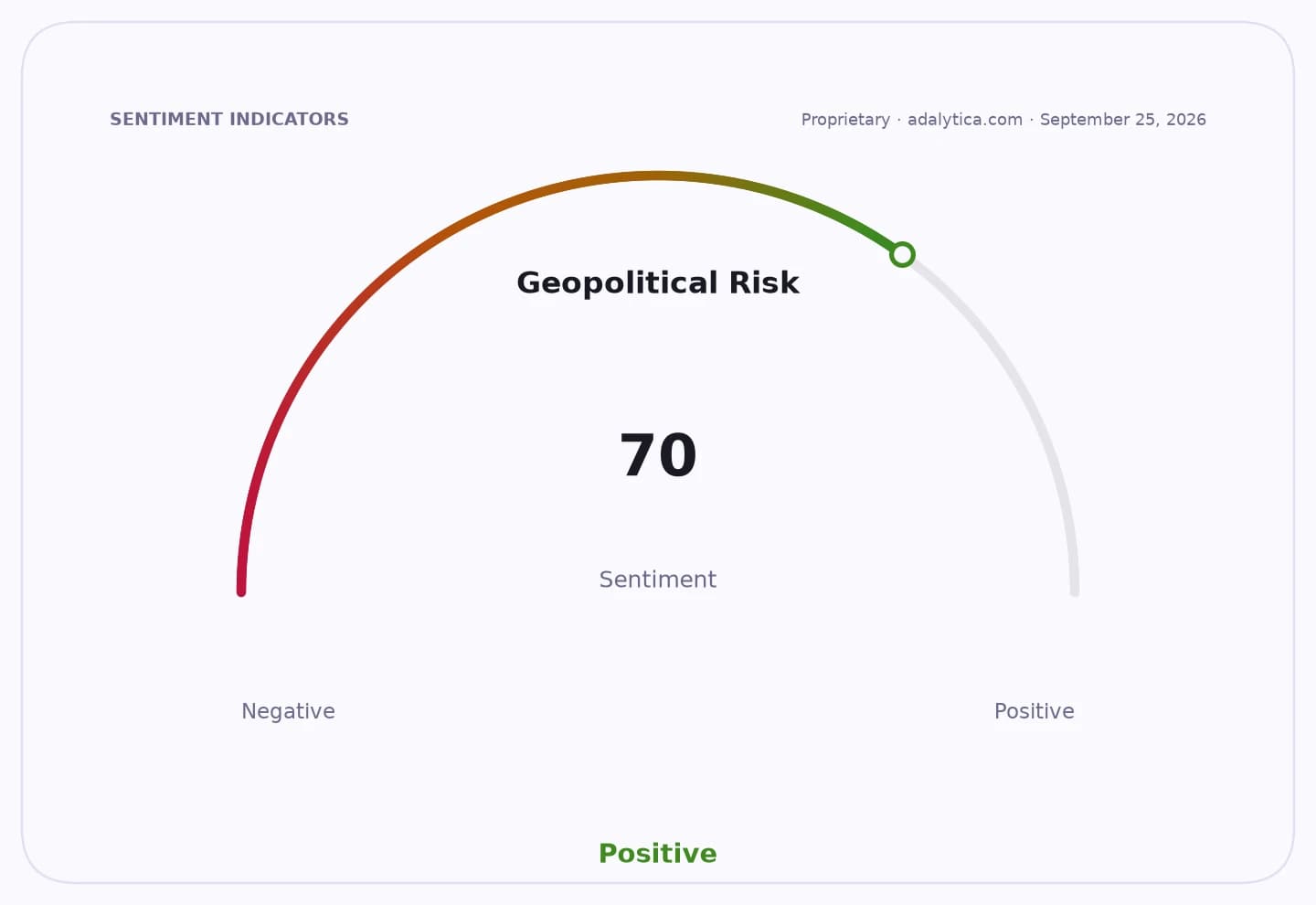
Sentiment IndicatorsⓘProprietary · adalytica.com · July 29, 2026
This is a snapshot — live sentiment, awareness and momentum for 130+ markets update continuously in the dashboard.Open AlphaPulse
Intel said its data center business was the key driver in the quarter, helping offset skepticism around its broader execution. The report also suggested the company is benefiting from the same server and AI investment wave that has lifted suppliers across the chip stack. Yet the market reaction shows that a 59% increase in data center revenue is no longer enough on its own. The bar has shifted to whether Intel can hold those gains while managing costs, inventory and the heavy spending required to stay competitive.
That caution is visible in the stock itself. Intel’s shares have fallen sharply from a July 22 intraday high near $141 to $84.23 on July 29, erasing a big portion of the earlier rally. The move leaves the shares well below the 50-day moving average of $113.61 and the 200-day average of $66.51, while the RSI has dropped to 25.8, a level technicians often read as oversold. The MACD remains negative, underscoring that momentum has turned decisively lower despite the earnings beat.
The disconnect between the fundamentals and the share price also reflects a wider reassessment of the AI trade. Semiconductors have been one of the market’s strongest themes, but investors are becoming more selective after a run-up that left many stocks vulnerable to disappointment. SK Hynix, which reported record operating profit on AI server memory demand, fell after missing consensus expectations, reinforcing the idea that even in a strong demand cycle, the market is punishing any sign that growth may not meet the most aggressive forecasts.
For Intel, the issue is not whether AI demand exists, but whether it can convert that demand into sustained operating leverage against much larger rivals and a still-challenged manufacturing base. The company’s latest filing said it has enough liquidity for at least the next 12 months, which helps reduce near-term balance-sheet risk, but investors will be watching whether the company can keep expanding its data center franchise without fresh margin pressure from inventory write-downs and heavy capital needs.
Broader market conditions are adding to the pressure. The S&P 500 signal from Adalytica.com remains neutral, but awareness is elevated, suggesting traders are paying close attention after a month of strong gains. At the same time, the dollar’s proprietary trade signal is showing extreme fear, a backdrop that often coincides with more volatile positioning in global risk assets. If macro conditions tighten further, high-multiple chip stocks could remain vulnerable even when headline earnings are strong.
The next catalyst is whether Intel can show that second-quarter strength was the start of a more durable AI-driven cycle rather than a peak quarter that pulled forward demand. If it can, the recent pullback may look like a buying opportunity. If not, Wall Street is likely to keep treating the stock’s rally as premature.
| Entity | Gains | Losses |
|---|---|---|
| Intel | ▲Data center growth, AI demand | ▼Margin skepticism, valuation reset |
| AI infrastructure buyers | ▲More chip supply options | ▼Higher spending expectations |
| Chip rivals | ▲Validation of AI demand | ▼Harder earnings comparisons |
| Short-term traders | ▲Volatility, oversold bounce setup | ▼Momentum breakdown, sharp swings |