Inter Miami’s reported signing of Brazil veteran Casemiro could sharpen the club’s commercial appeal and competitive ceiling, but the MLS’s tampering probe threatens to turn a marquee transfer into a governance test that matters well beyond one roster move.
Inter Miami Casemiro Deal Faces MLS Tampering Probe
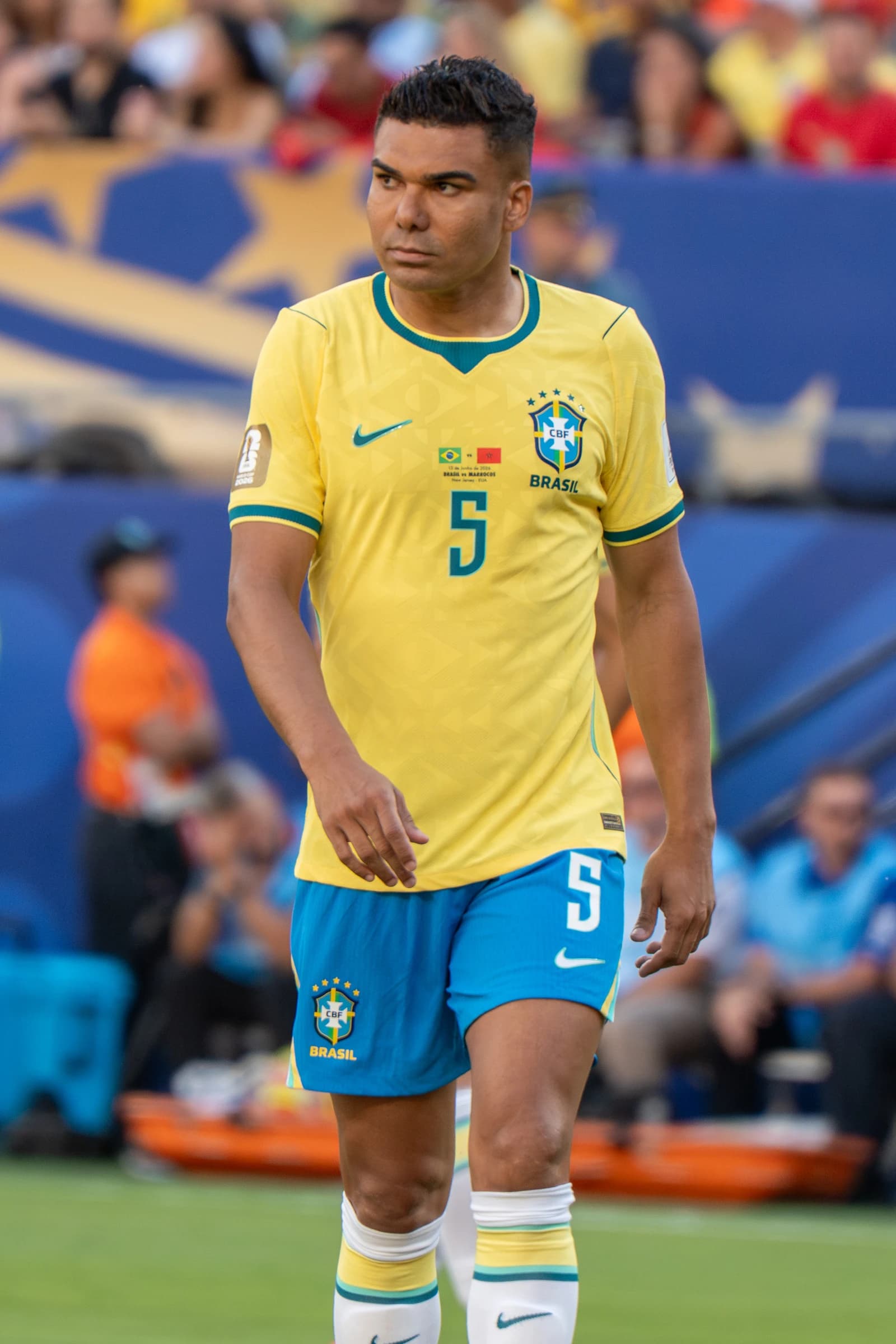
The biggest issue for investors, owners and league executives is not simply whether the former Manchester United and Real Madrid midfielder strengthens Inter Miami on the pitch. It is whether MLS can police how elite clubs recruit global stars without undermining the very star-driven business model that has fueled the league’s growth. If the deal is ultimately upheld, it reinforces Inter Miami’s ability to keep monetizing its brand around Lionel Messi and a deepening international profile. If it is curtailed or penalized, it would signal tighter guardrails on a league increasingly built on aggressive player acquisition and commercialization.
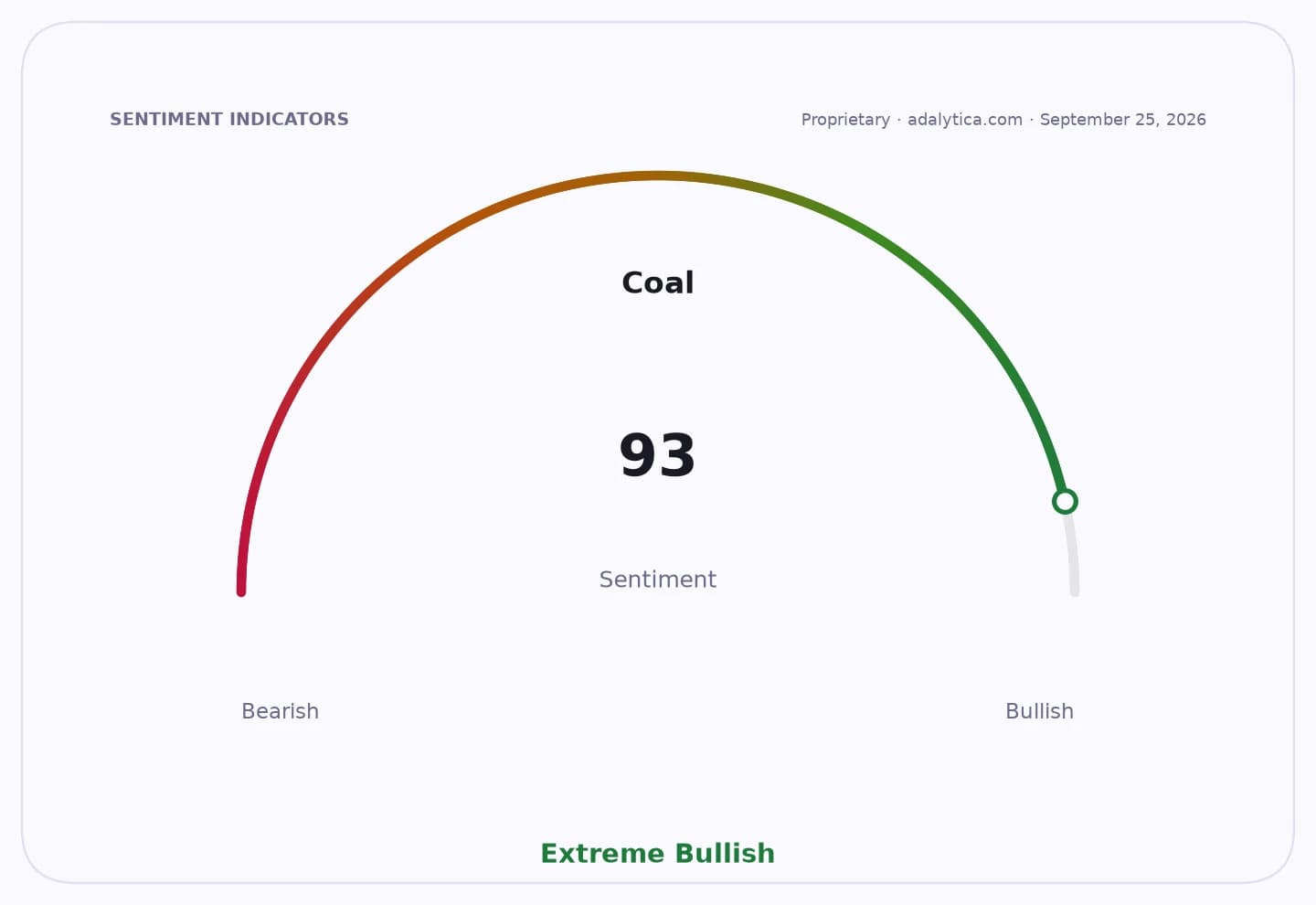
Sentiment IndicatorsⓘProprietary · adalytica.com · July 22, 2026
This is a snapshot — live sentiment, awareness and momentum for 130+ markets update continuously in the dashboard.Open AlphaPulse

For Miami, the attraction is obvious. Casemiro remains a high-recognition name with Champions League pedigree and a profile that fits the club’s strategy of blending sporting credibility with global marketing reach. A player of his stature can help stabilize midfield structure, lift ticket demand and merchandise sales, and keep Inter Miami positioned as the league’s most visible franchise to European and Latin American audiences. That matters in MLS, where the economic value of a club increasingly depends on its ability to convert celebrity into sponsorship, media attention and matchday revenue.
But the regulatory overhang is just as important. A tampering investigation suggests the league believes the signing process may have crossed a line, and that introduces uncertainty around timing, registration and possible sanctions. For a league that still balances centralized control with club ambition, enforcing rules consistently is crucial to preserving competitive integrity. If rules appear flexible for the biggest brands, smaller clubs may see an uneven playing field; if they are enforced too aggressively, the league risks discouraging the kind of high-profile recruitment that drives fan interest.
Market action in the clubs’ listed parent companies shows investors are treating the story as more than a football headline. Miami International Holdings, owner of Inter Miami-linked equity exposure, has traded with a firmer tone in recent sessions, while Brazil’s Vivo Participações has also seen steadier trading. The stock patterns do not isolate this transfer, but they fit a broader theme: investors are rewarding entities tied to high-visibility sports franchises and media-friendly assets, even as broader risk appetite has cooled.
That backdrop is notable because sentiment around global markets has weakened sharply, according to Adalytica’s proprietary trade-signal gauges, while geopolitical fear has surged. In that kind of environment, sports assets with loyal fan bases and recurring cash-flow narratives can attract defensive and thematic capital. Inter Miami’s brand strength, especially if reinforced by another internationally known player, offers a rare growth story in an otherwise cautious market.
The bull case is that MLS allows the move to stand, Inter Miami adds another marketable star, and the club extends its reach in a World Cup cycle that should keep attention on North American soccer. The bear case is that a formal finding of tampering leads to fines, roster restrictions or reputational damage that undercuts the club’s carefully built image as MLS’s flagship global franchise.
What happens next will matter for more than one transfer. The probe will test whether MLS can protect its rules while still encouraging the kind of ambitious signings that have made Inter Miami a commercial outlier. For investors and sponsors, the answer will help determine whether the league’s star-driven growth model is becoming more durable — or more exposed to regulatory friction.
| Entity | Gains | Losses |
|---|---|---|
| Inter Miami | ▲Global reach and roster boost | ▼Regulatory scrutiny |
| MLS | ▲Higher attention if move stands | ▼Credibility if rules are lax |
| Casemiro | ▲New platform in a growing league | ▼Uncertainty over deal process |
| Rival clubs | ▲Potential league discipline consistency | ▼Competitive edge if Miami is unchecked |