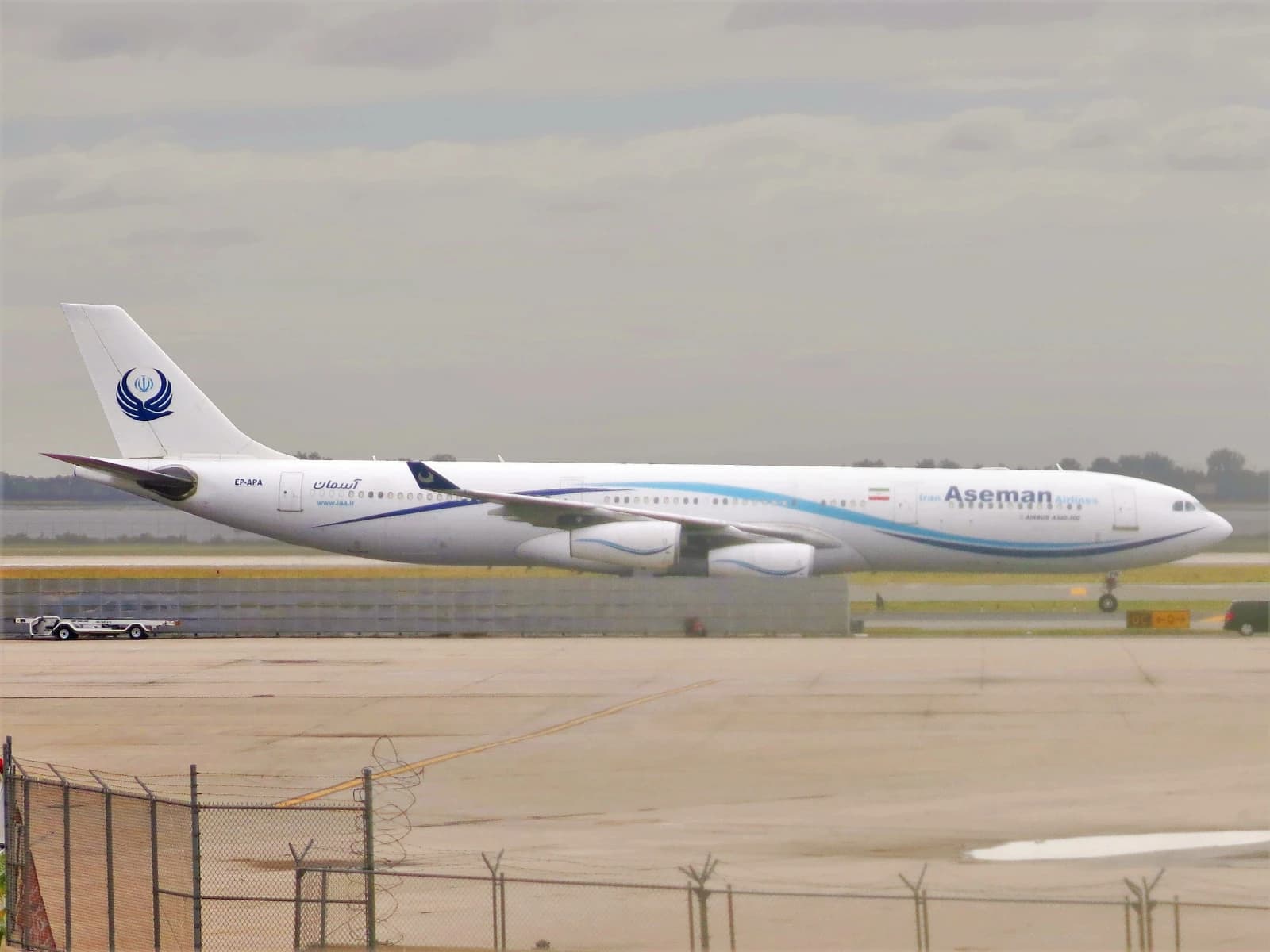
The Trump administration’s reported decision to use Iranian funds held in the U.S. to compensate for losses tied to vessels, cargo and related property marks a sharper financial escalation in the maritime conflict around the Strait of Hormuz and the Red Sea.
Iran Asset Seizure Raises Shipping and Oil Risk

The move matters because it turns a security crisis into an asset seizure risk for Tehran and its commercial network. By linking damages to confiscated Iranian property, Washington is not only trying to deter attacks on shipping, but also signaling that the economic cost of disruption will be imposed directly on Iran’s own overseas cash buffers. For a sanctions-hit economy that relies on access to restricted foreign assets, any widening of the legal and financial perimeter around those funds is strategically important.
Sentiment IndicatorsⓘProprietary · adalytica.com · July 24, 2026
This is a snapshot — live sentiment, awareness and momentum for 130+ markets update continuously in the dashboard.Open AlphaPulse
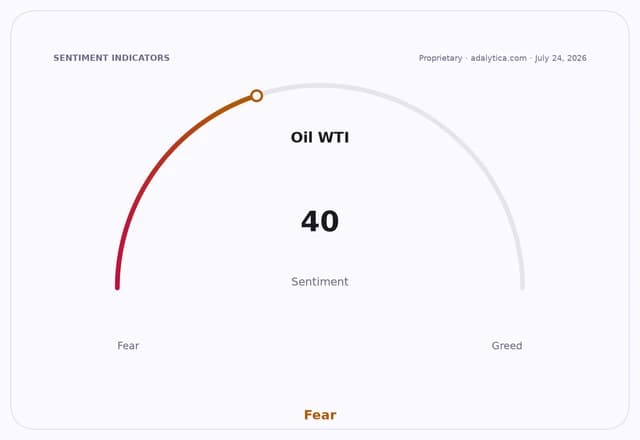
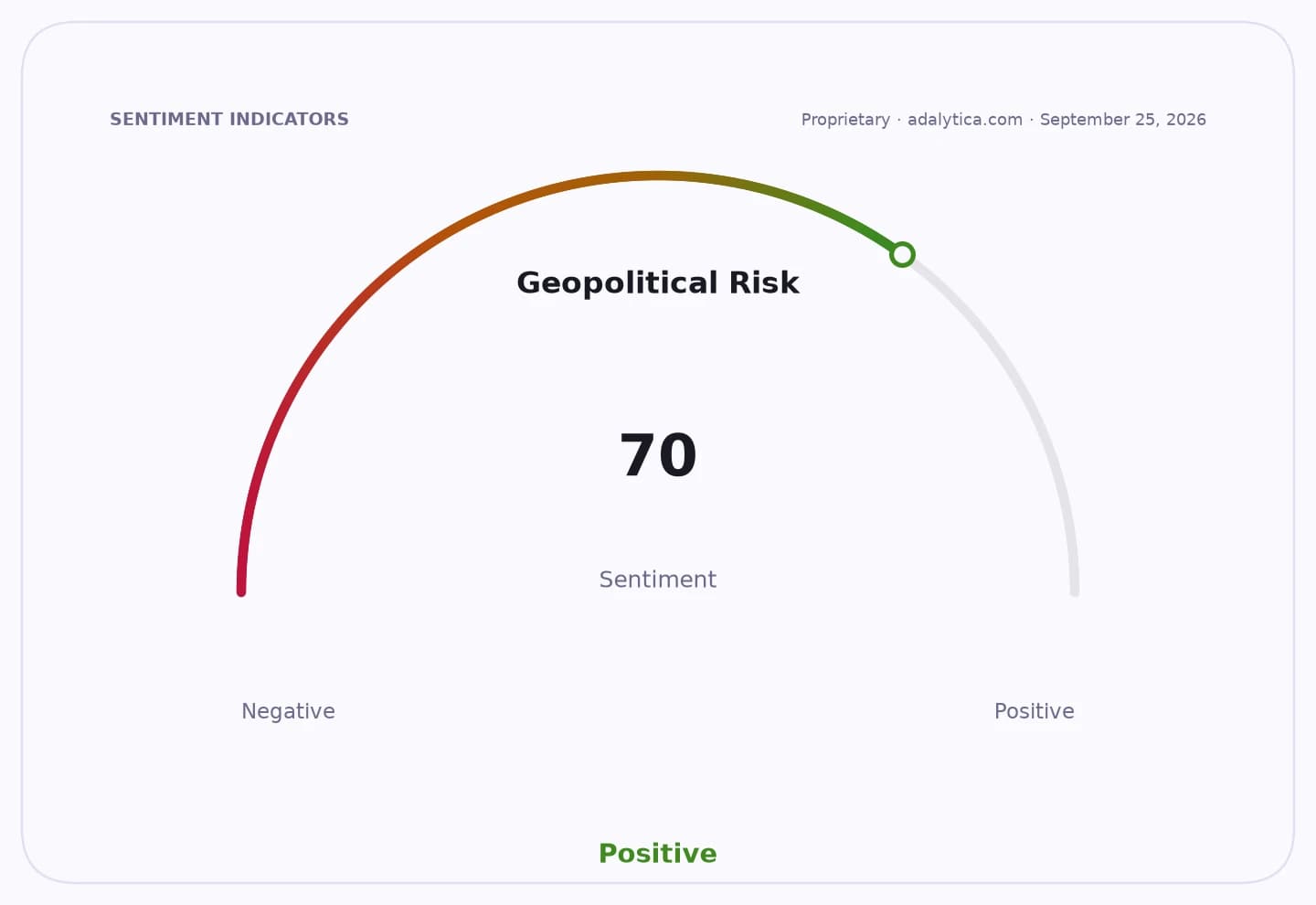
Markets are reading the shift as another layer of pressure on an already fragile shipping environment. Global stability sentiment in Adalytica’s gauge has collapsed to “Extreme Fear,” while awareness remains elevated, underscoring how quickly the confrontation has become a major macro risk even if headline prices have not yet fully repriced. In oil, the USO ETF has surged to 139.49, well above its 50-day moving average of 125.54, with RSI readings at 88.0 and Bollinger Bands stretched to the upside — classic signs of a market that has already priced in a meaningful geopolitical premium and could still see further volatility if shipping lanes are disrupted again.
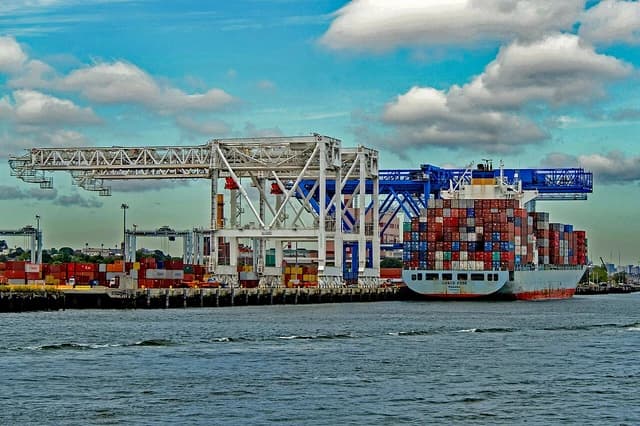
The implications extend beyond crude. Higher marine insurance costs, longer rerouting times and the risk of retaliatory attacks can lift freight rates and tighten delivery schedules across energy, industrial goods and container trade. That is why shipping-linked equities have been bid as investors reach for names with direct exposure to elevated freight and conflict risk. GasLog Ltd. shares have climbed to 49.83 from 49.76 in the latest session, while Global Ship Lease has risen to 43.02, both trading with momentum well above their 50-day averages. The gains reflect a market view that more disruption can support charter rates and vessel earnings, even as the broader trade system absorbs the cost.
Geopolitical Risk — 30-day sentimentadalytica.com
Explore this data interactively — full history, time series and cross-market comparisons.Open AlphaPulse
For Iran, the policy shift raises the threat that frozen assets abroad become less of a shield and more of a liability. For the U.S. and allies, it offers a lower-cost tool than open-ended military escalation, but it also carries legal and diplomatic risks if compensation claims are tied too broadly to state assets. For investors, the key question is not whether the rhetoric intensifies further, but whether the latest move triggers a sustained tightening in oil logistics or just another short-lived risk spike. The answer will depend on whether attacks on shipping, proxy activity or U.S. strikes near the Strait of Hormuz broaden into a more durable choke point for energy flows.
| Entity | Gains | Losses |
|---|---|---|
| U.S. government | ▲stronger deterrent leverage | ▼legal and diplomatic blowback |
| Iran | ▲none | ▼frozen assets at risk |
| Oil producers | ▲higher risk premium | ▼demand destruction from price spike |
| Tankers and shipowners | ▲higher freight rates | ▼security and insurance costs |