Iran is considering moving its capital away from Tehran, a rare admission that the country’s political and economic center has become too costly and vulnerable to keep where it is.
Iran considers moving capital south from Tehran
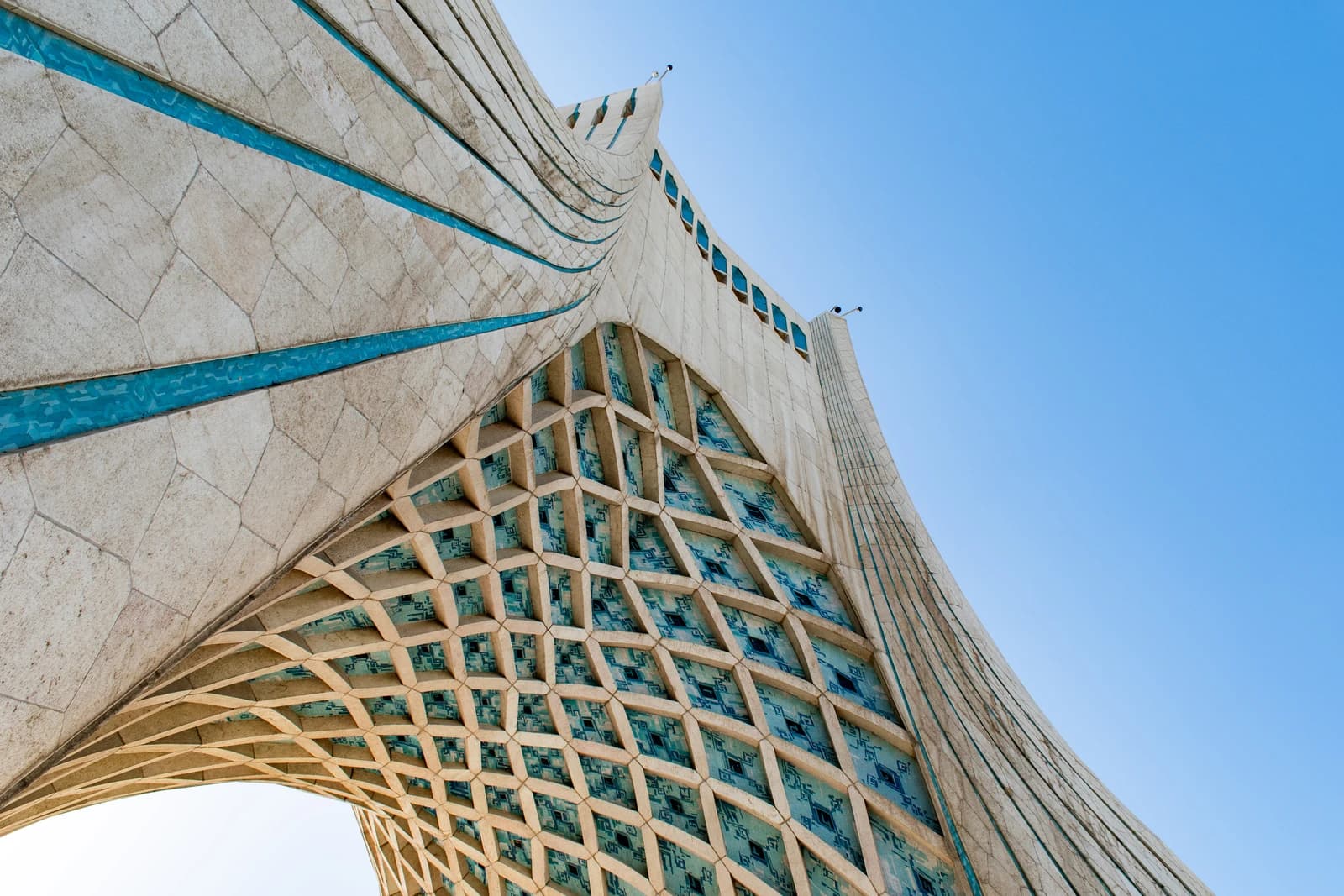
President Masoud Pezeshkian said the government may shift the capital farther south, closer to the Persian Gulf, arguing that economic pressures make Tehran’s current role increasingly unsustainable. The comments point to a broader struggle with congestion, infrastructure strain and the concentration of state power in a city that has been the seat of government since 1786.
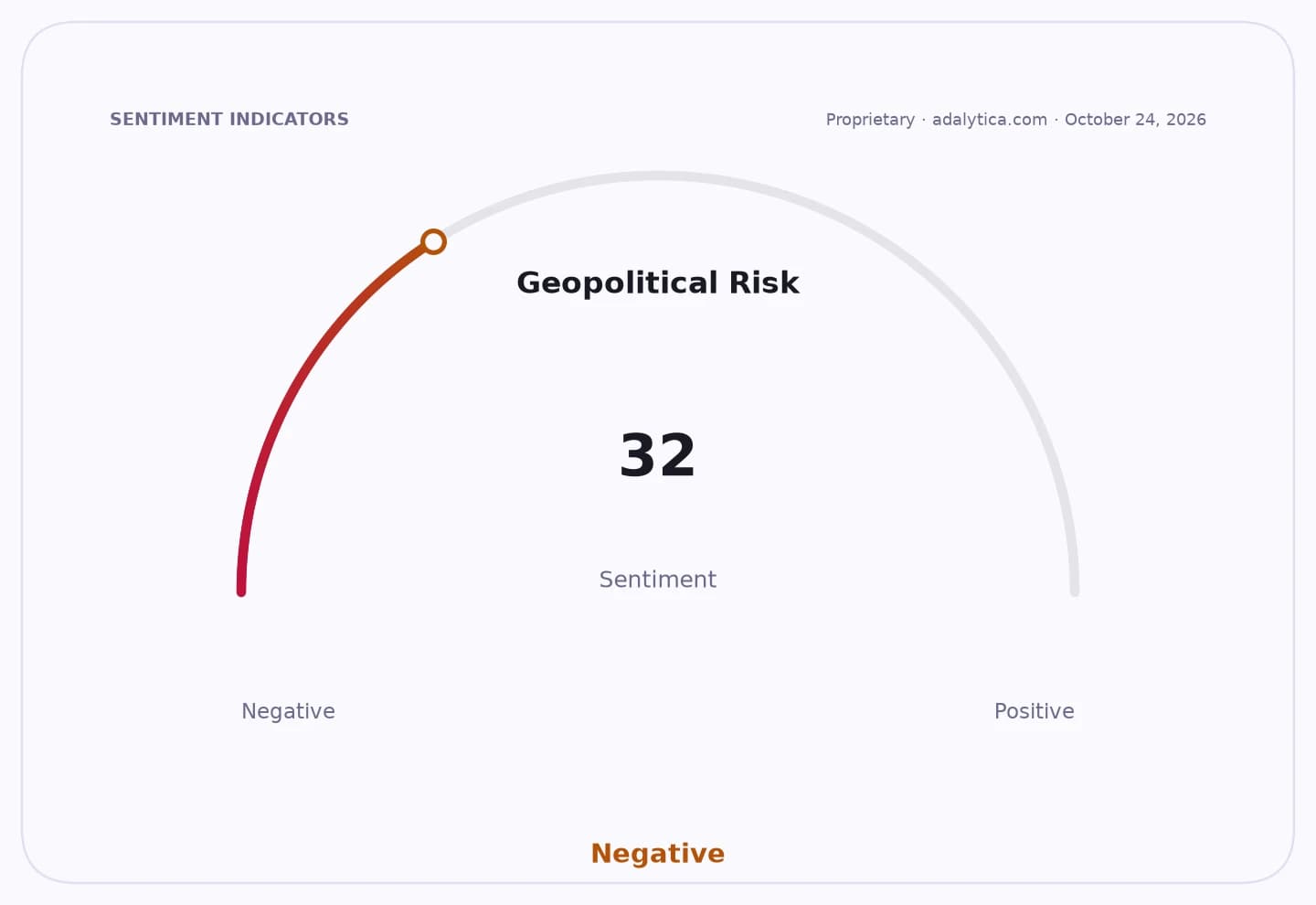
Sentiment Indicators
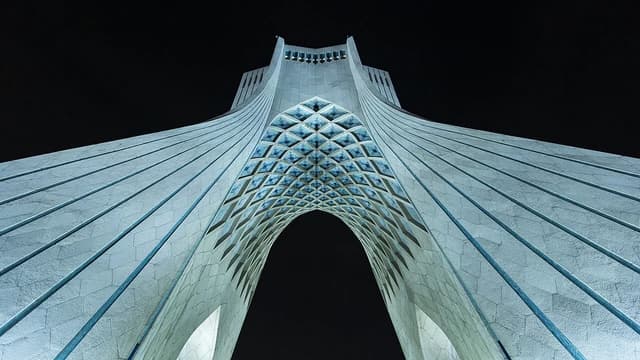
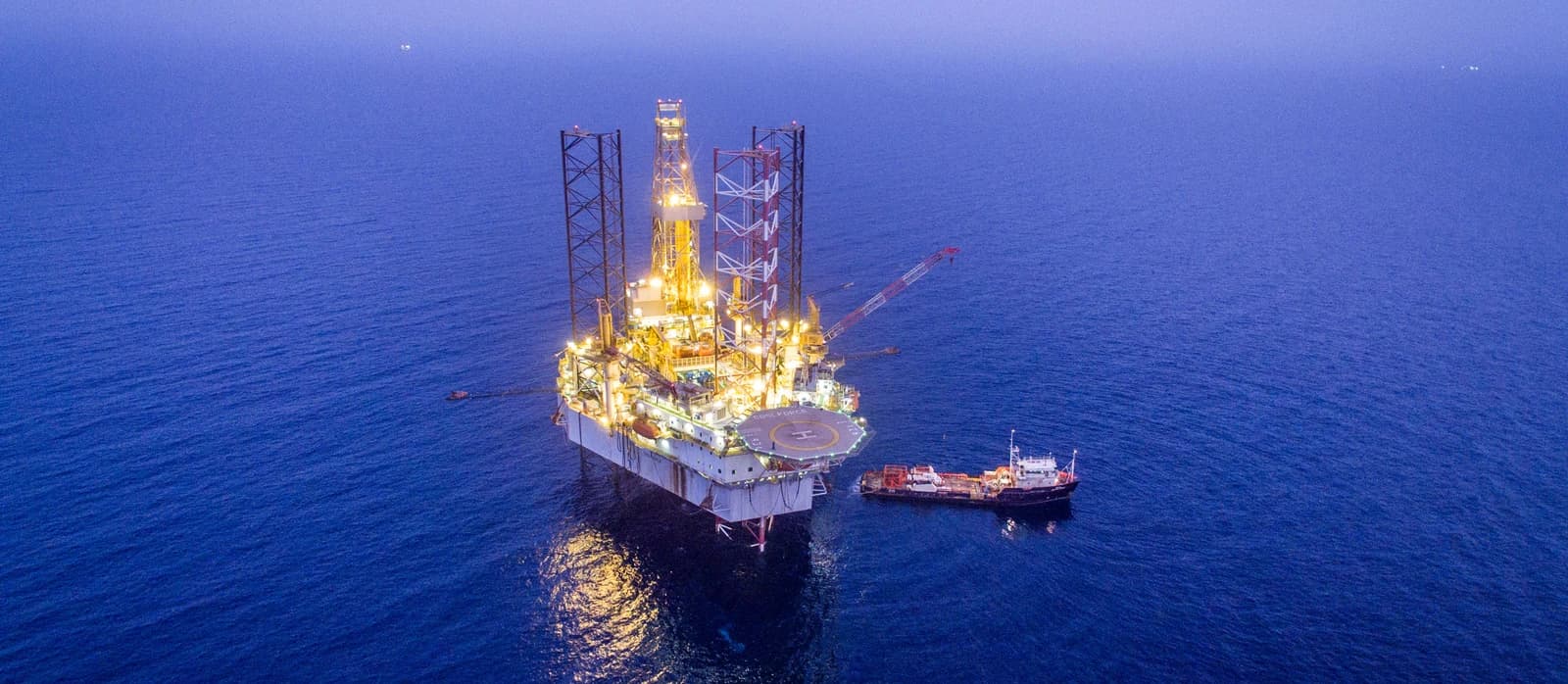
A move south would be more than a symbolic reshuffle. It would redirect long-term public investment toward the Gulf coast, where Iran would likely want better access to trade routes, ports and energy infrastructure. It also underscores how climate, water stress and urban overload are beginning to shape policy in countries across the Middle East, where governments are increasingly being forced to weigh resilience against tradition.
For investors, the implications are indirect but meaningful. Any relocation plan would require major state spending on roads, utilities, ministries and housing, potentially affecting domestic demand, construction activity and sovereign funding needs. It also raises questions about which regions would gain from the buildout and whether the state can execute a capital transfer while still managing sanctions pressure, foreign exchange strain and a fragile economy.
The proposal comes as Iran is also trying to manage regional security tensions, with Turkey warning against further attacks on Iran and Russia stepping up diplomatic engagement in Tehran. That mix of geopolitical pressure and domestic economic stress helps explain why the government is publicly floating structural changes that would have been politically unthinkable only a few years ago.
How far the plan advances will depend on financing, political consensus and whether Tehran’s economic burdens are judged severe enough to justify a historic relocation. For now, the comments mark a significant shift in the debate over Iran’s administrative and economic future.
| Entity | Gains | Losses |
|---|---|---|
| South coast regions | ▲Infrastructure spending | ▼None initially |
| Tehran | ▲None | ▼Capital status, investment focus |
| Iranian contractors | ▲Project pipeline | ▼Execution risk |
| Investors in Iran-linked assets | ▲Potential buildout upside | ▼Policy uncertainty |