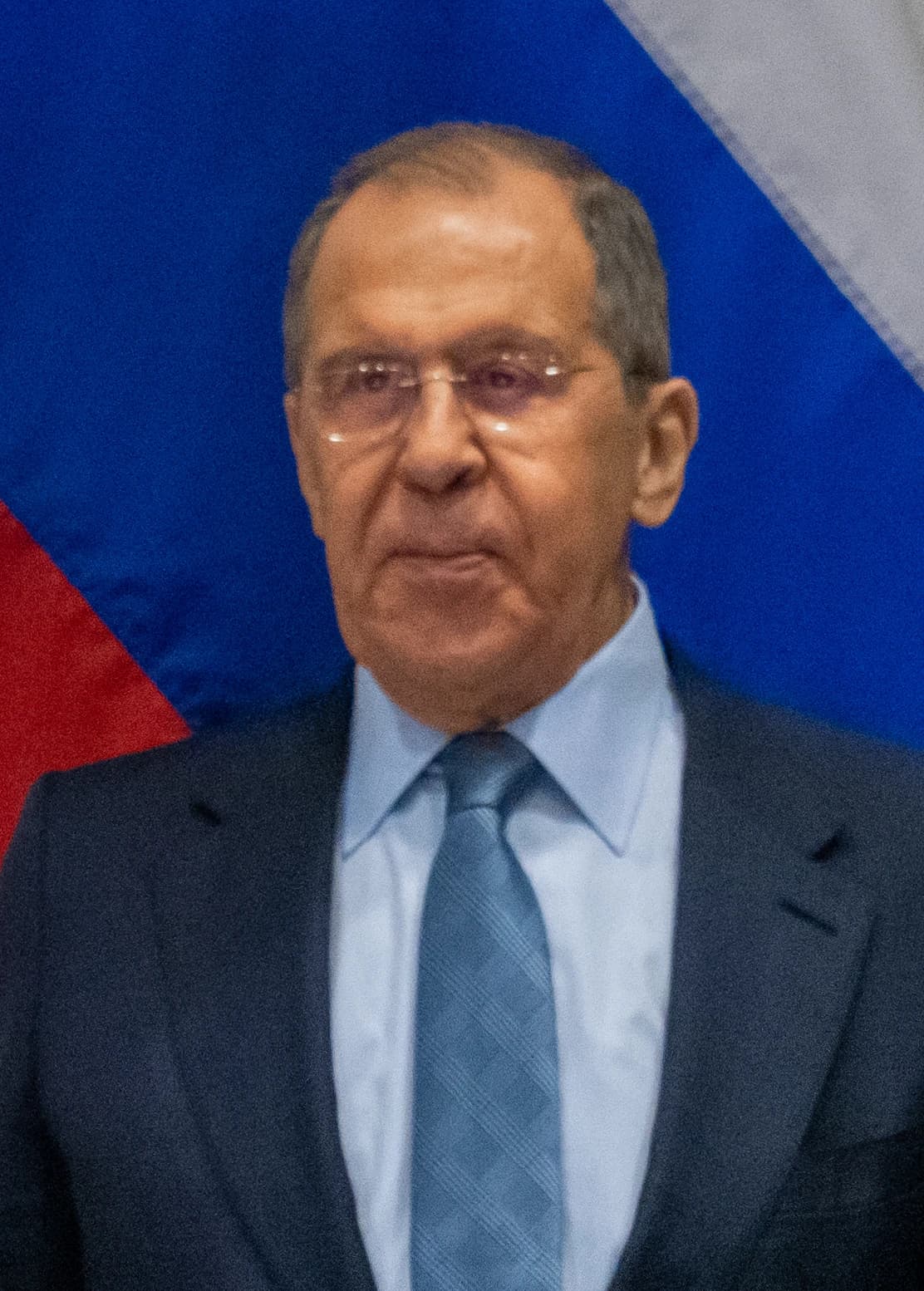
Russia’s foreign minister is in Tehran at a moment when the Kremlin’s next move could matter as much to oil markets as it does to the battlefield in Ukraine. The visit has revived a simple but important question for investors and policymakers alike: is Moscow trying to calm the Iran standoff, or is it looking for leverage in a broader bargain with Washington that could include Ukraine?
Russia Tehran Visit Raises Oil and Ukraine Questions
That distinction matters because Russia is not just another outside power in the Middle East. It has deep military and strategic ties with Tehran, but it also benefits from the tension those ties help sustain. Higher oil prices improve Moscow’s revenue picture, and a prolonged standoff with the West gives President Vladimir Putin more room to trade across crises. In other words, Russia can pose as a mediator while still profiting from instability.
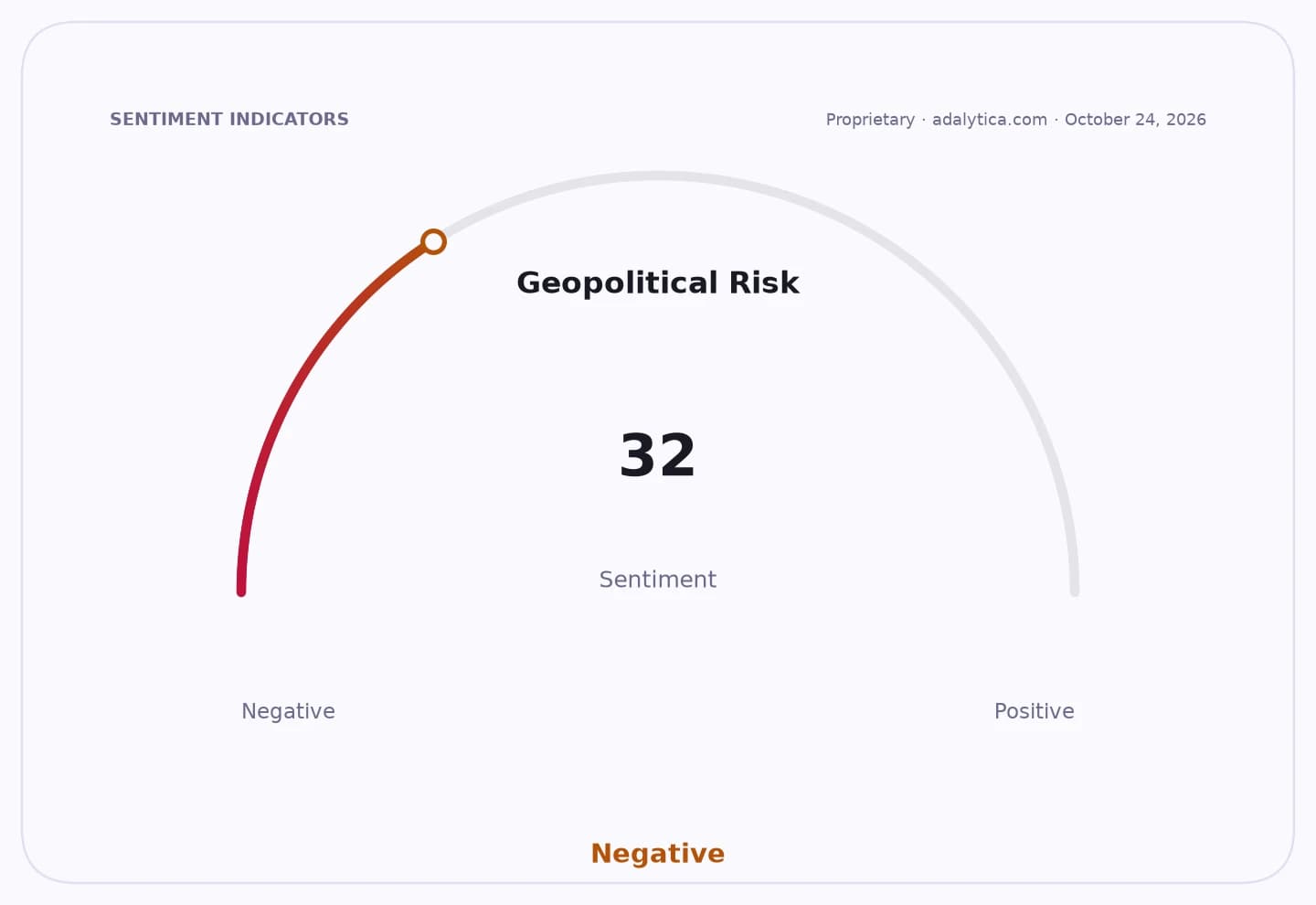
Sentiment IndicatorsⓘProprietary · adalytica.com · October 24, 2026
This is a snapshot — live sentiment, awareness and momentum for 130+ markets update continuously in the dashboard.Open AlphaPulse
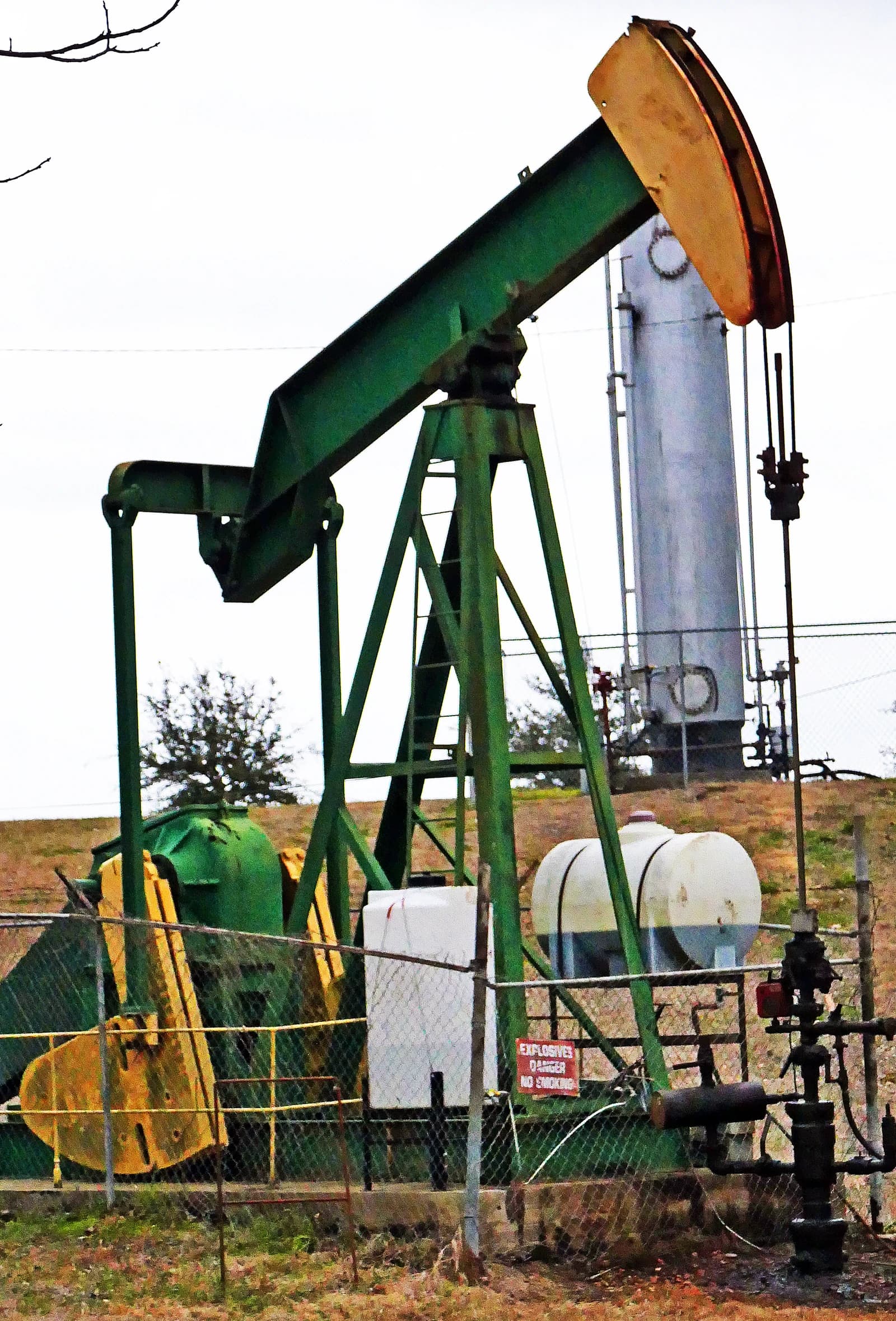
For energy investors, that is the real market story. Brent-linked crude has already been whipped around by the risk of disruption in the Gulf, and U.S. oil ETF USO has reflected that strain, recently rising to 169.53 from 159.80 just two days earlier. The move came alongside an extremely overbought reading in its relative strength index of 90.6, underscoring how quickly geopolitical headlines can push oil higher even when the long-term fundamentals are less clear.
The Tehran trip comes after Gulf states reportedly asked Moscow to use its influence with Iran to de-escalate tensions and address the Strait of Hormuz, the narrow waterway through which a huge share of global crude flows. That is where the economic stakes widen beyond oil producers. Any real threat to Hormuz would hit importers through energy inflation, shipping costs and weaker consumer spending, while handing a windfall to producers, tanker owners and commodity traders positioned for higher prices.
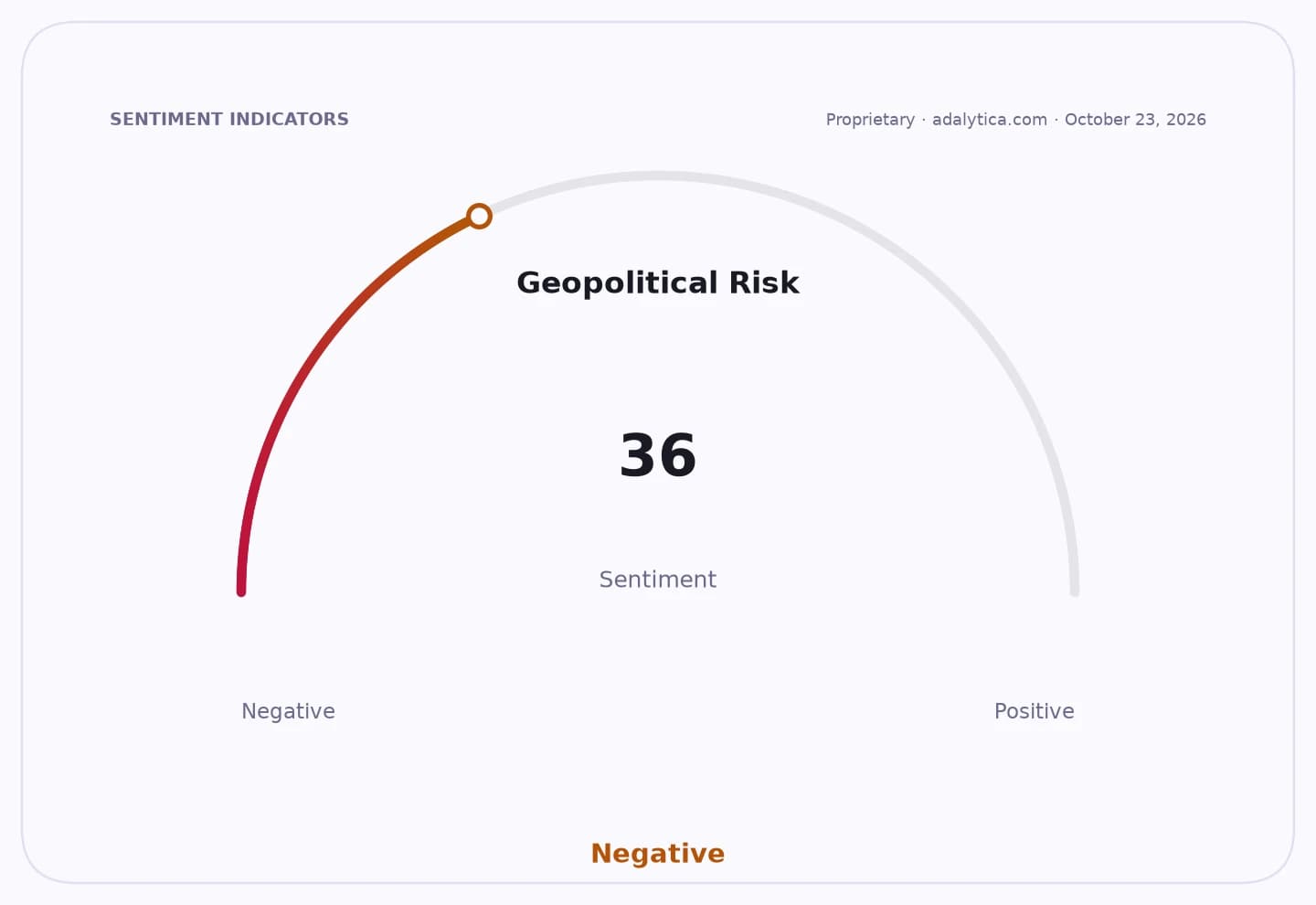
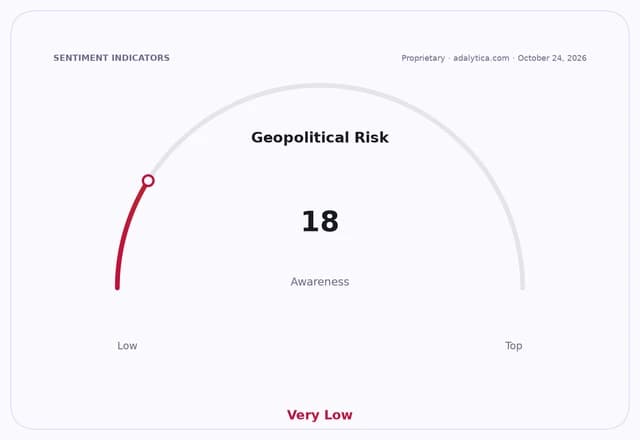
Geopolitical Risk — 30-day sentimentadalytica.com
Explore this data interactively — full history, time series and cross-market comparisons.Open AlphaPulse
Yet Russia’s incentive to help is mixed. It remains a partner for Gulf producers, but it also gains from a world where energy remains tight and Washington is distracted. The suggestion that Moscow could be using the Iran channel to shape talks with President Donald Trump over Ukraine only adds another layer of uncertainty. If Russia is indeed looking for a larger settlement, it would be seeking to convert Middle East influence into relief on sanctions, diplomacy or the war itself.
That is why the visit should not be read as a simple peace mission. Russia’s relationship with Iran is too close, and too useful, for that. Tehran depends on Russian military cooperation and diplomatic cover, while Moscow has little appetite to completely sideline Iran from any regional security arrangement. A genuine breakthrough that removes Iranian pressure from Hormuz would probably require buy-in from the U.S., China and Gulf capitals, not just a meeting in Tehran.
For investors, the lesson is to watch the ripple effects, not the headlines alone. Oil, defense and shipping shares can benefit from prolonged tension, while airlines, refiners and consumer-facing businesses would be exposed if energy prices stay elevated. The bigger long-term question is whether Moscow is trying to stabilize the region or simply price another crisis into its negotiations with the West. Until that becomes clearer, this is a development worth watching closely, and one that argues for patience, diversification and a long-term view.
| Entity | Gains | Losses |
|---|---|---|
| Russia | ▲Bargaining leverage, higher oil revenue | ▼Diplomatic credibility |
| Iran | ▲Strategic backing, room to resist pressure | ▼Chance of isolation |
| Oil producers | ▲Firmer prices, tighter market | ▼— |
| Importers and consumers | ▲— | ▼Higher fuel and shipping costs |