Iran’s summons of the French ambassador underscores how a diplomatic dispute with Europe is hardening into a broader geopolitical risk, raising the odds of further strains on trade, shipping and investor sentiment across the Middle East.
Iran-France Row Raises Geopolitical Risk Premium
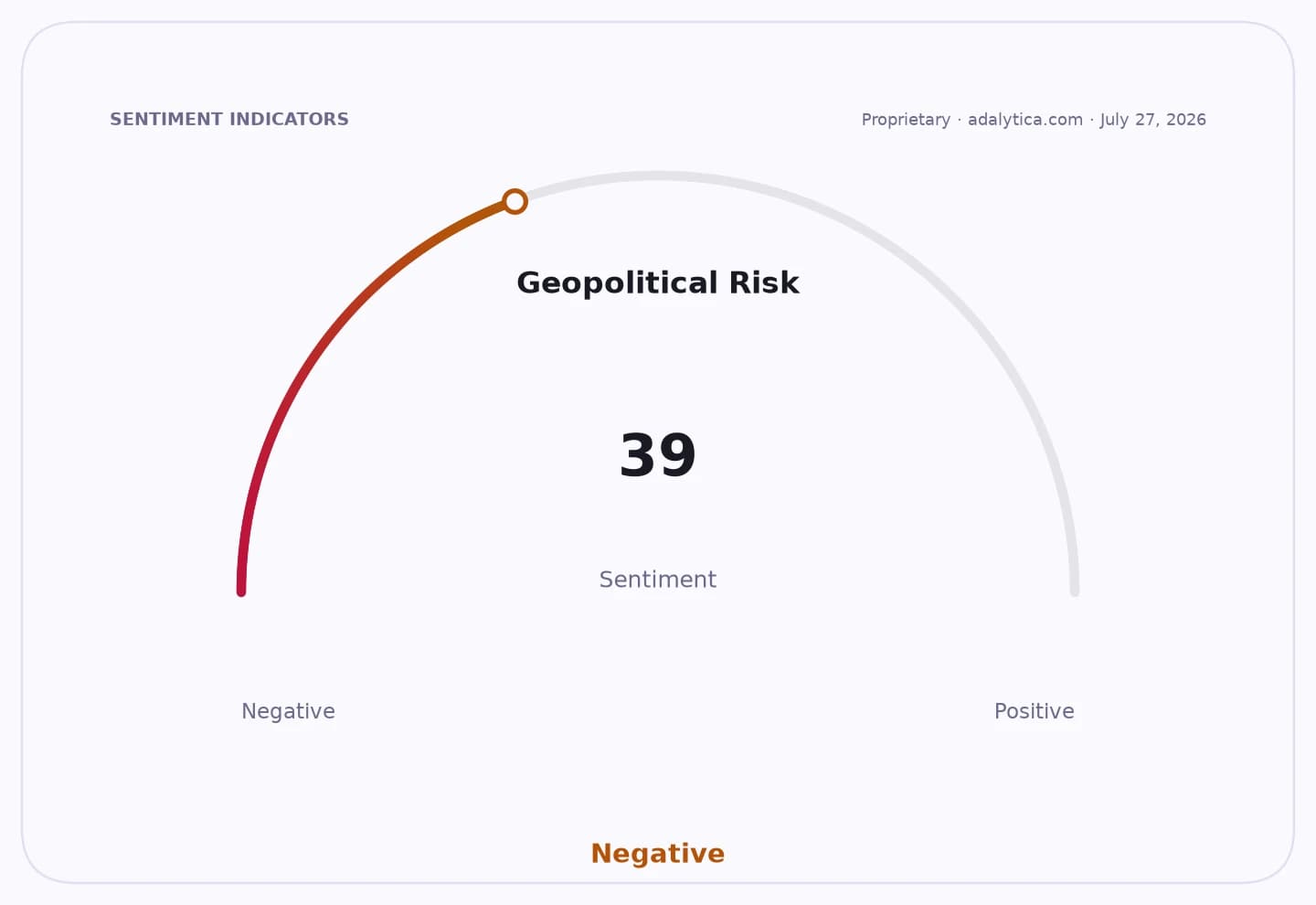
Tehran’s move matters because France is one of the European capitals most active on Iran policy, and any escalation with Paris can complicate already fragile efforts to contain confrontation between Iran and Western powers. With tensions already elevated after a cycle of attacks and counterstrikes involving the United States, the latest summons signals that Tehran is widening the diplomatic front rather than seeking de-escalation.
For markets, the immediate issue is not the bilateral row itself but the risk that it feeds a larger regional premium. Investors have been closely watching the Strait of Hormuz, tanker security and insurance costs, all of which can move quickly when Iranian-European relations worsen. The chance of sanctions chatter, interrupted diplomatic channels or retaliatory steps can also ripple through crude, refined products and Gulf-linked assets.
That backdrop has kept geopolitical risk on the radar even as broader market gauges remain mixed. FXI, the China ETF, has slipped back below its 200-day moving average and is trading well under that long-term trend line, while FXP, the inverse China fund, has rallied sharply from early July before losing momentum. EWG, the Germany ETF, has been comparatively steady, but its recent trade near the lower end of its short-term range suggests investors are still reluctant to add cyclical Europe exposure aggressively when Middle East tensions are rising.
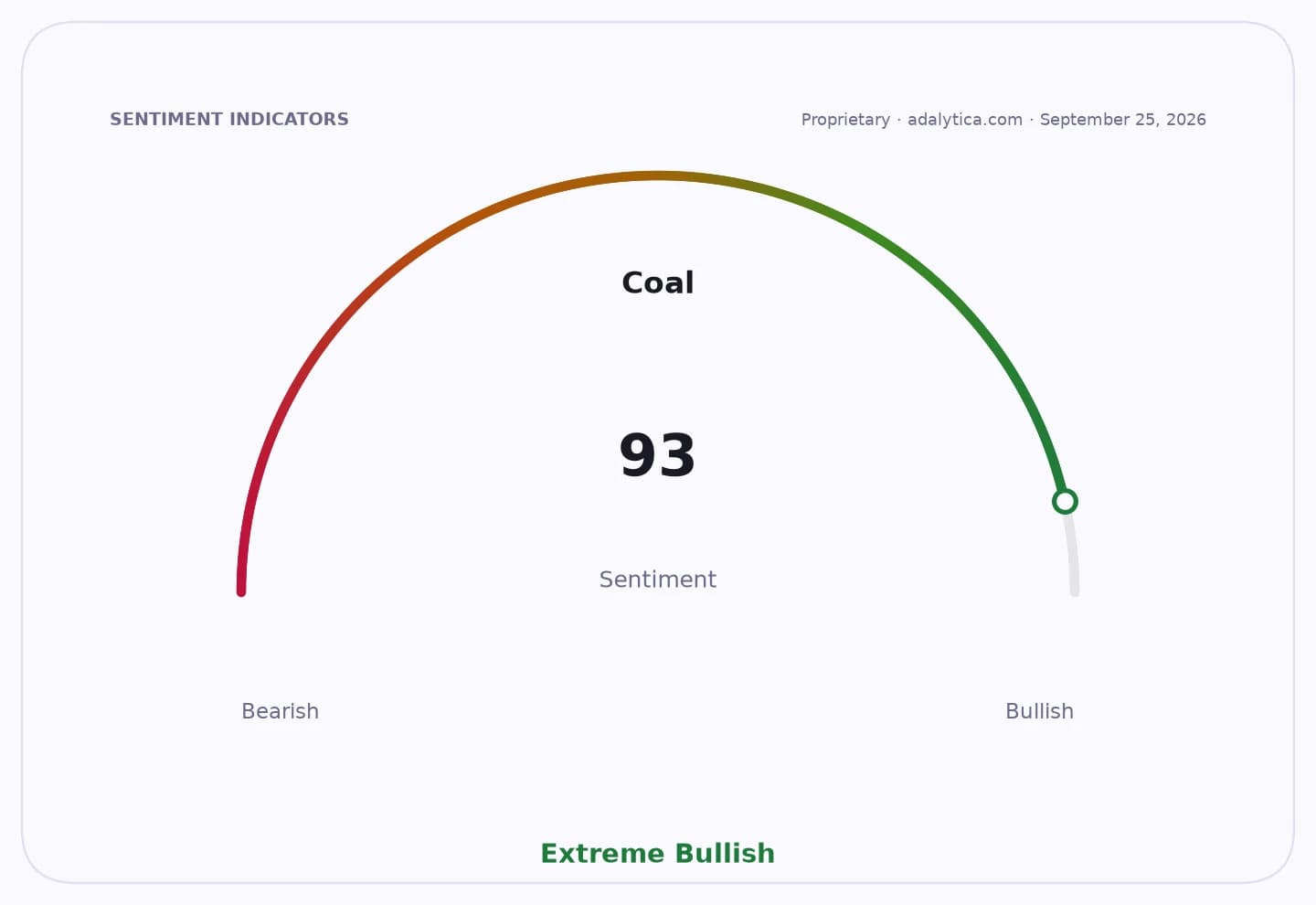
The wider market narrative is one of rising instability with limited diplomatic cushioning. Adalytica’s Global Stability Sentiment has dropped to neutral after a steep decline in recent days, while awareness remains elevated, a combination that typically reflects investors paying more attention to tail risks without fully pricing them in. That is consistent with a market that is not in panic, but is also not discounting the possibility of a further escalation.
The bull case for risk assets is that the summons is largely rhetorical and may be aimed at domestic signaling, with no immediate change in energy flows or sanctions policy. The bear case is that these exchanges add another layer of miscalculation at a time when Iran’s confrontation with Western powers is already influencing shipping routes, defense postures and energy hedging.
For investors, the key question is whether the diplomatic dispute remains isolated or becomes another trigger for sanctions, maritime disruption or a broader breakdown in West-East engagement. If it does, the consequences would extend beyond FX and oil to European equities, emerging-market flows and any asset class sensitive to inflation shocks.
| Entity | Gains | Losses |
|---|---|---|
| Iran | ▲domestic political signaling | ▼diplomatic flexibility |
| France/EU | ▲leverage on rights issues | ▼access and influence in Tehran |
| Oil bulls | ▲higher risk premium | ▼certainty on supply |
| Global equities | ▲limited direct impact | ▼geopolitical tail risk |