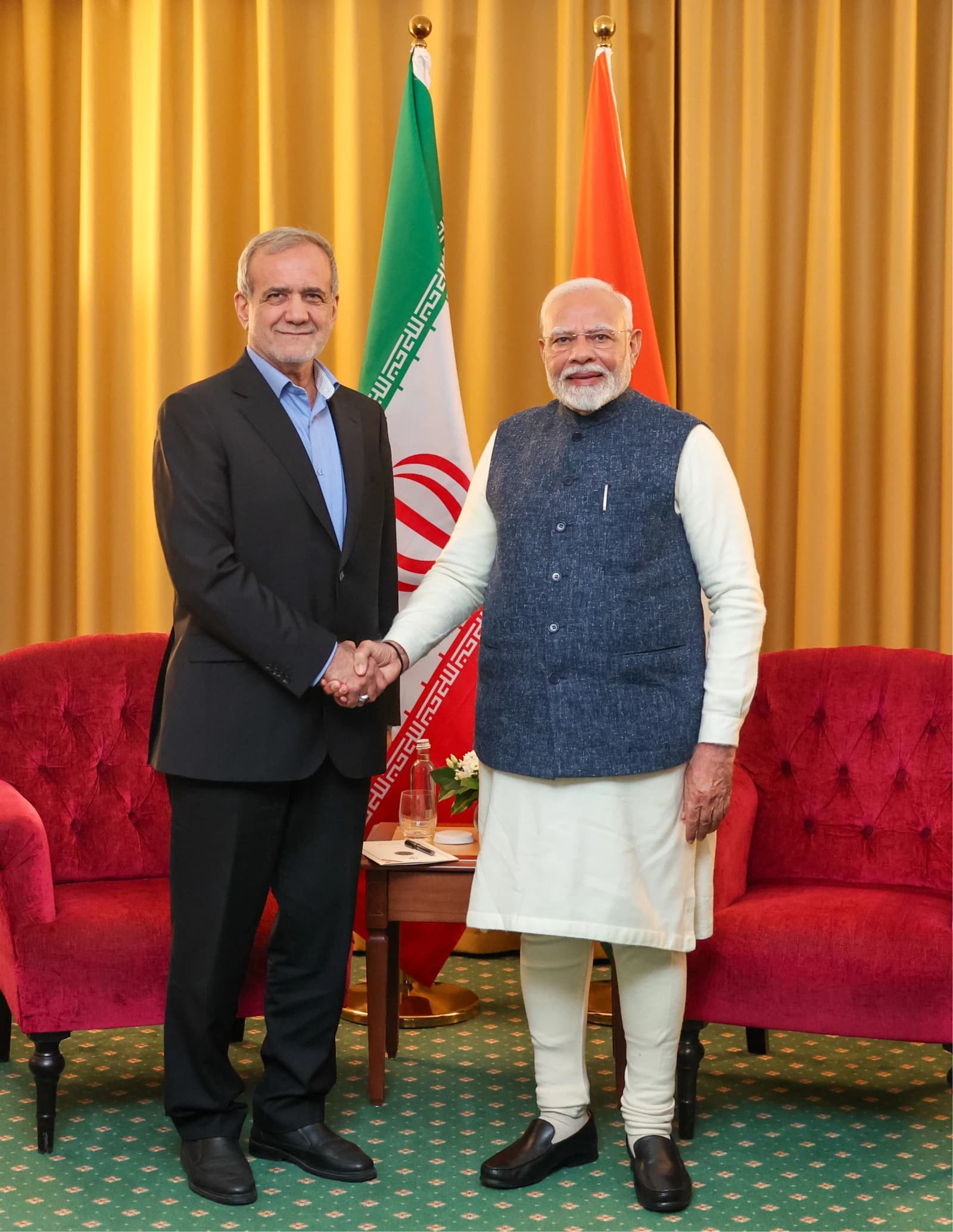
Political infighting in Iran is intensifying just as sanctions-hit oil revenues and a weakening economy leave President Masoud Pezeshkian with less room to maneuver.
Iran hardliners target foreign and oil ministers
Hardline lawmakers are now pressing for the removal of Foreign Minister Abbas Araghchi after he met US negotiators on the sidelines of the United Nations General Assembly in New York, accusing him of acting without authorization. Oil Minister Mohsen Paknejad’s resignation has done little to calm the pressure, underscoring how the fight over policy is increasingly turning into a struggle over who in Tehran will bear responsibility for an economy under strain.
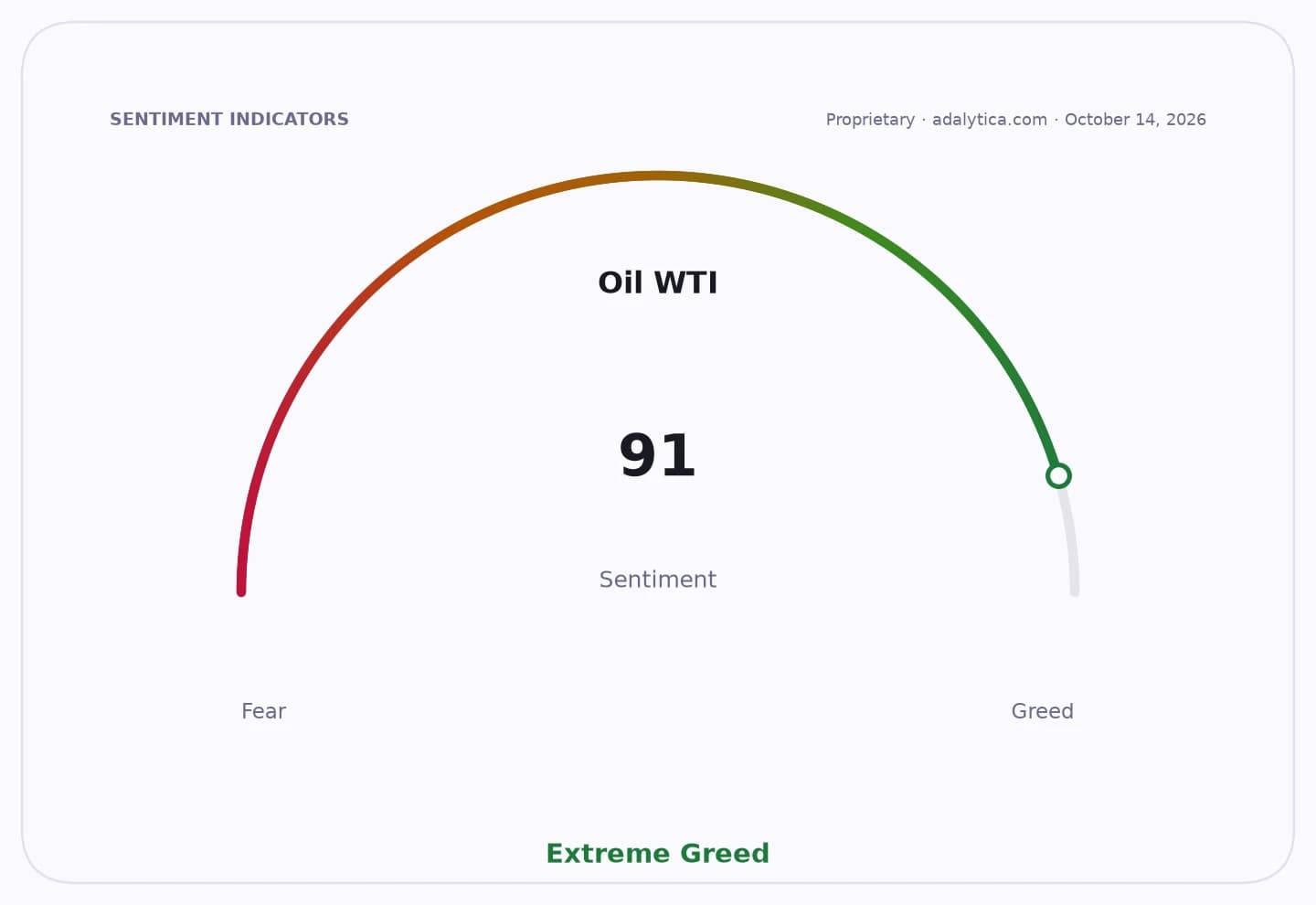
Sentiment IndicatorsⓘProprietary · adalytica.com · October 14, 2026
This is a snapshot — live sentiment, awareness and momentum for 130+ markets update continuously in the dashboard.Open AlphaPulse
The significance goes beyond a personnel dispute. In Iran’s system, hardliners often use moments of external pressure to shift blame onto elected officials and pragmatic factions, while preserving the authority of the unelected centers of power. That dynamic matters economically because it can paralyze decision-making at a time when the country needs clearer control over its most important revenue stream: oil.
Analysts cited by DW said the current backlash follows a familiar pattern, with conservatives attacking ministers over negotiations that were effectively sanctioned higher up the chain. That makes the impeachment threat against Araghchi less about one meeting in New York than about an internal contest over how to manage diplomacy, sanctions and the economic fallout of both. Lawmakers must still gather enough signatures before any formal move against the foreign minister can proceed, but the political damage is already unfolding.
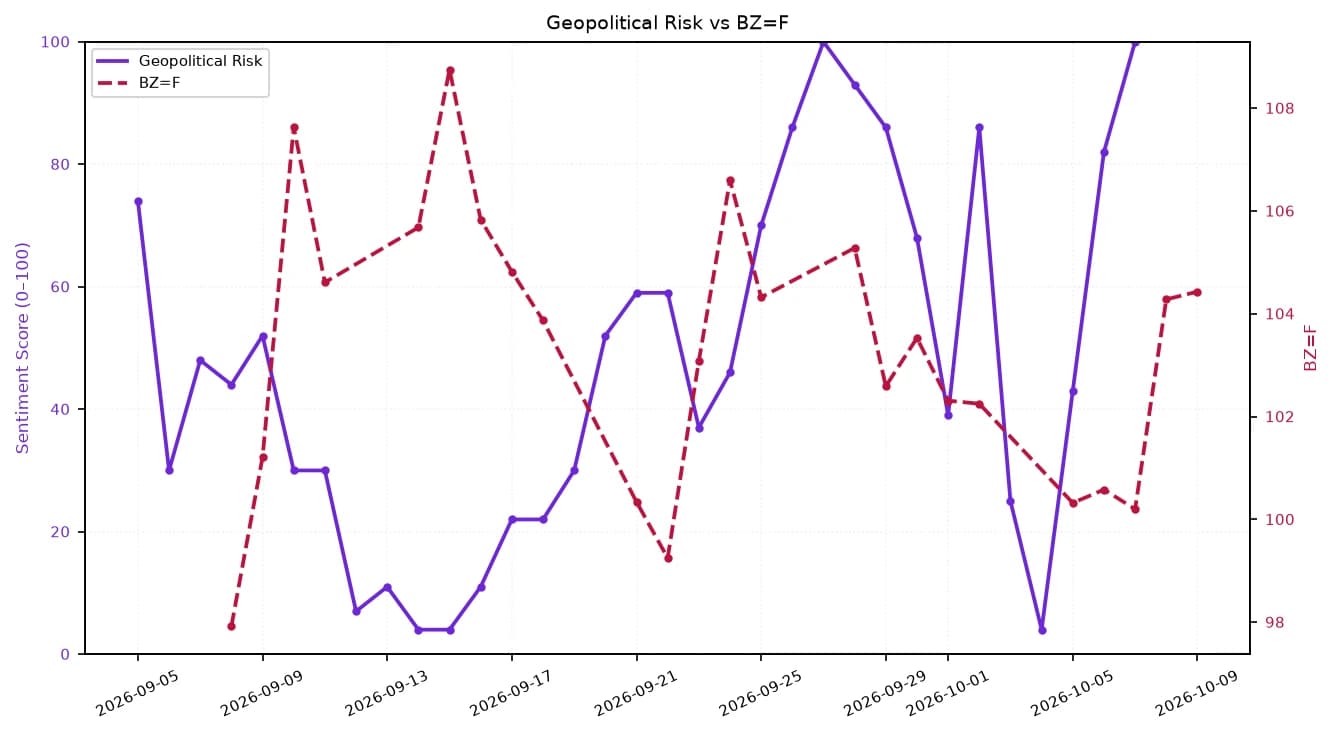
Geopolitical Risk vs USOadalytica.com
Explore this data interactively — full history, time series and cross-market comparisons.Open AlphaPulse
The pressure is arriving as Iranian exports, one of the government’s key sources of foreign currency, have been squeezed by the US blockade. That is the economic backdrop to Paknejad’s departure, even though officials have said he resigned for personal reasons. Energy strategist Umud Shokri said a change at the oil ministry would not materially alter the picture because Iran’s sanctions-evasion networks have become deeply entrenched, opaque and in some cases profitable for factions close to power.
That opacity is part of the problem investors and policymakers watch closely. Revenue from oil sales is supposed to flow to the state, but Shokri said private actors linked to the Islamic Revolutionary Guard Corps have long controlled hidden channels for selling crude, often with unclear pricing, commissions and proceeds. In practical terms, that means the government has only limited visibility into one of its main cash generators, weakening fiscal planning and reinforcing the influence of parallel power structures.
For global markets, the immediate read-through is not a formal shift in supply, but another reminder that Iranian barrels remain hostage to politics and sanctions rather than market logic. Brent-linked funds and US oil benchmarks have already reflected the broader geopolitical risk premium, with oil-sensitive ETFs and US crude prices holding at elevated levels in recent sessions as traders priced in Middle East instability. The latest flare-up in Tehran adds to that uncertainty, even if it does not yet threaten a material change in exports.
The bull case for markets is that internal dysfunction keeps Iran’s exports constrained, limiting downside pressure on crude supply. The bear case is that deepening instability could raise the odds of more aggressive regional escalation, tighter sanctions enforcement or disruption around shipping routes, all of which would feed volatility into energy prices and raise the cost of imported fuel for consumers and industry.
What happens next will depend on whether hardliners push the impeachment case forward and whether Pezeshkian can preserve enough authority to keep talking to the West. For investors, the key point is that Iran’s economic weakness is now amplifying political fragmentation, and that combination tends to support higher geopolitical risk premiums in energy and defense-linked assets while keeping pressure on emerging-market sentiment more broadly.
| Entity | Gains | Losses |
|---|---|---|
| Hardline lawmakers | ▲Political leverage | ▼Policy stability |
| Pezeshkian government | ▲— | ▼Authority and credibility |
| Oil traders | ▲Higher risk premium | ▼Predictability in supply |
| Consumers/importers | ▲— | ▼Lower fuel costs |