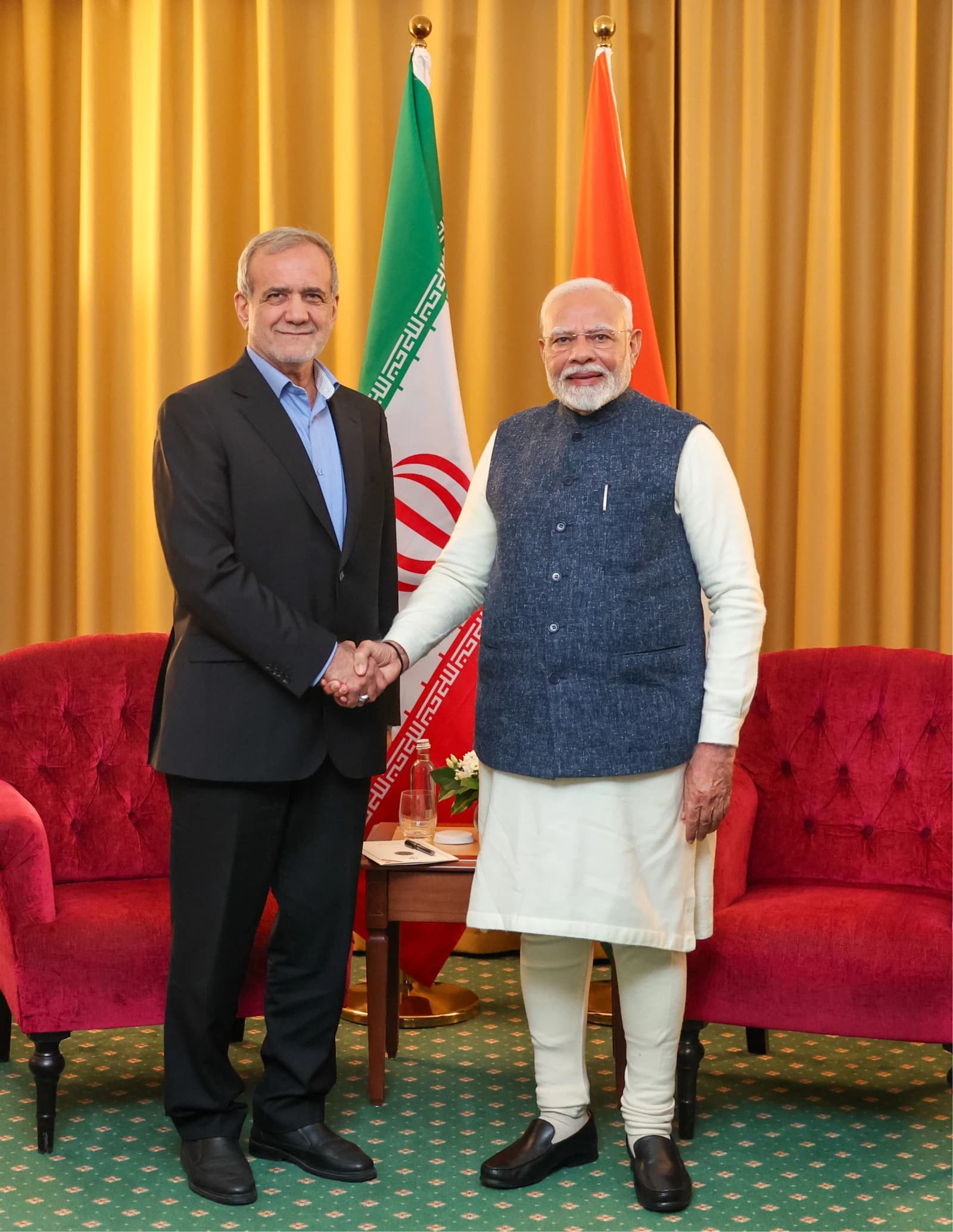
Iran’s President Massoud Pezeshkian is effectively putting a number to what investors already know: the Islamic Republic is under extraordinary strain, and that strain is spilling into energy markets. Speaking at a provincial planning meeting, Pezeshkian said Iran has not faced this level of pressure and difficulty since the 1979 revolution, a striking admission that underscores how sanctions, frozen assets and falling oil revenue are weighing on the economy.
Iran pressure keeps crude prices elevated
That matters because Iran is not just another sanctioned economy. It is a major oil producer, a shipping risk around the Strait of Hormuz and a chronic source of geopolitical volatility. When Tehran feels boxed in, it often reaches for asymmetric tools — from maritime disruption to regional pressure campaigns — that can move crude prices far faster than they move political outcomes. For long-term investors, that keeps energy stocks, tanker rates and broader risk assets tethered to developments in the Persian Gulf.
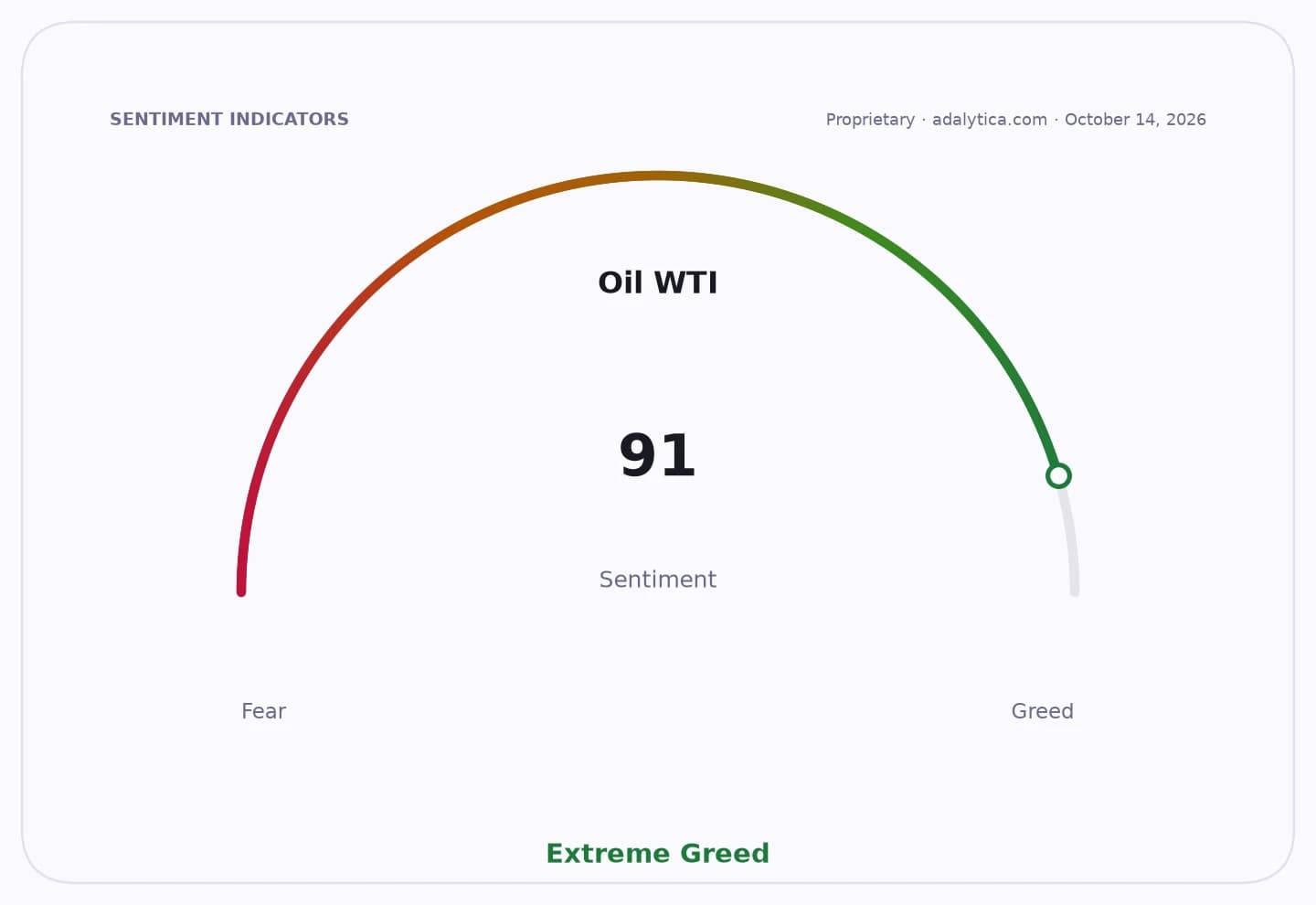
Sentiment IndicatorsⓘProprietary · adalytica.com · October 17, 2026
This is a snapshot — live sentiment, awareness and momentum for 130+ markets update continuously in the dashboard.Open AlphaPulse

The market is already behaving as if the stakes are high. West Texas Intermediate crude has climbed back above $100 a barrel in the latest data, and the United States Oil Fund has pushed to the mid-$160s after a powerful run. Standard technical indicators on USO show the ETF above both its 50-day and 200-day moving averages, with RSI readings still elevated even after some cooling. In plain English, oil remains expensive and momentum is still favorable, even if the market is no longer as overheated as it was during earlier spikes.
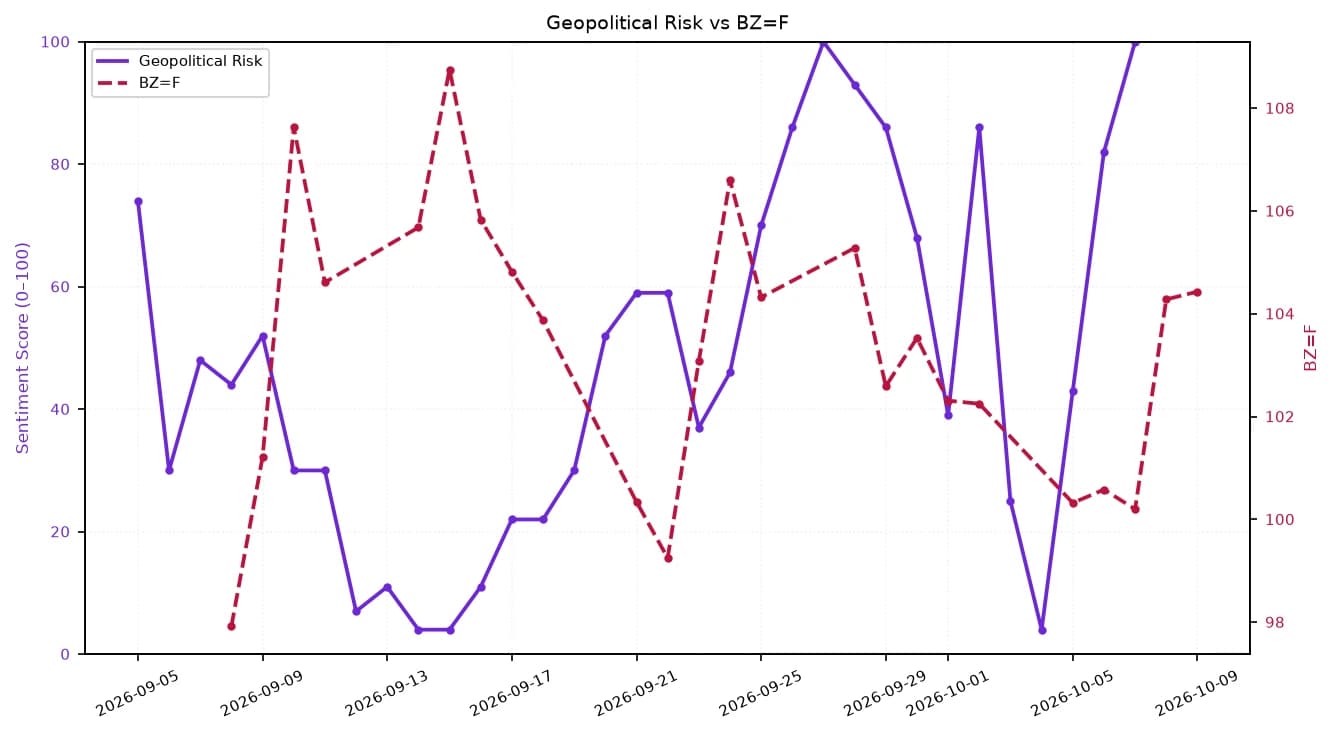
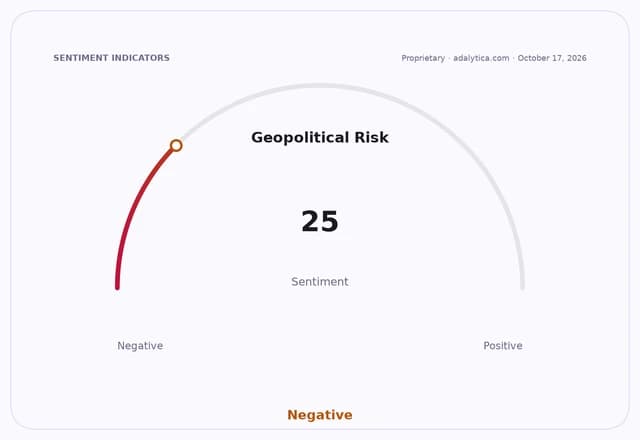
Adalytica’s Global Stability Sentiment gauge sits at 25, deep in fear territory, with awareness in extreme fear. That lines up with the political backdrop: Iran is under severe economic pressure, U.S. sanctions are still choking off export revenue, and the Middle East remains a source of shock risk rather than calm. Investors do not need a full-scale crisis for crude to stay supported; they only need recurring reminders that supply can be disrupted with little warning.
DCOILWTICO — macro contextadalytica.com
Explore this data interactively — full history, time series and cross-market comparisons.Open AlphaPulse
For energy investors, that creates a familiar split. Producers, service companies and integrated majors usually benefit when geopolitical risk lifts crude prices. Consumers, airlines, refiners without hedges and import-dependent economies tend to lose. The bigger point is that Iran’s comments are not just rhetoric. They are a reminder that sanctions can weaken a state financially while raising the odds of the kind of behavior that keeps commodity markets on a knife edge.
If you invest for the next three to 10 years, the lesson is not to chase every spike in oil. It is to understand that geopolitical pressure can add a structural premium to energy prices, and that premium can persist longer than traders expect. For diversified investors, energy exposure still deserves a place in the portfolio, but the real edge comes from owning strong balance sheets and free-cash-flow machines, not speculating on the next flare-up. This is a story worth watching, not trading blindly.
| Entity | Gains | Losses |
|---|---|---|
| Oil producers | ▲Higher realized prices | ▼Demand-sensitive consumers |
| USO holders | ▲Momentum from higher crude | ▼Late buyers if oil reverses |
| Iran | ▲Leverage through disruption risk | ▼Export revenue under sanctions |
| Airlines/importers | ▲Lower fuel costs if oil falls | ▼Higher input costs now |