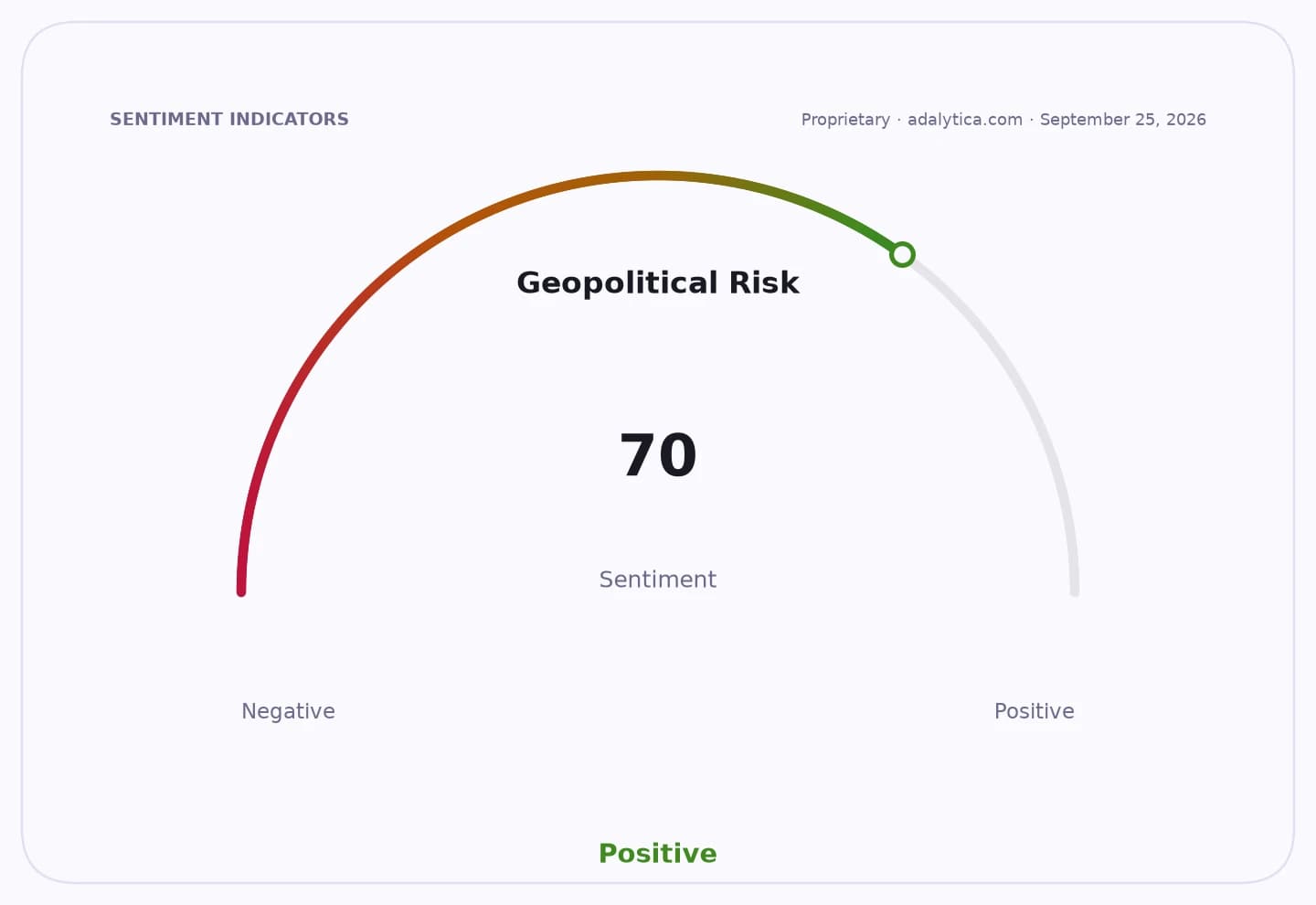
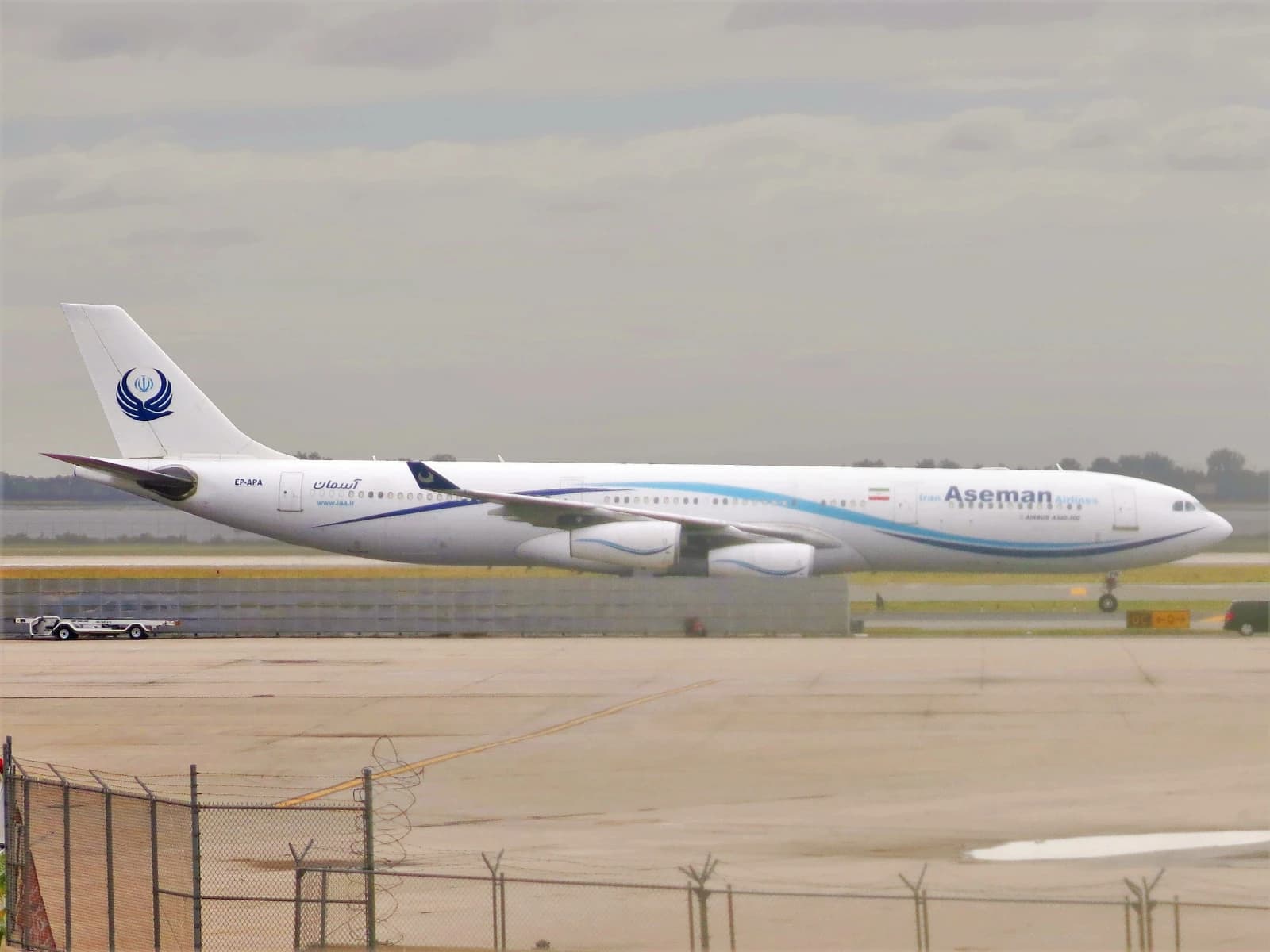
A tentative Iran-Oman understanding to reopen shipping lanes through the Strait of Hormuz could lower the biggest near-term geopolitical risk to global oil flows, even as a recent attack on a cargo ship shows the route remains volatile.
Iran-Oman Strait of Hormuz deal may ease oil risk
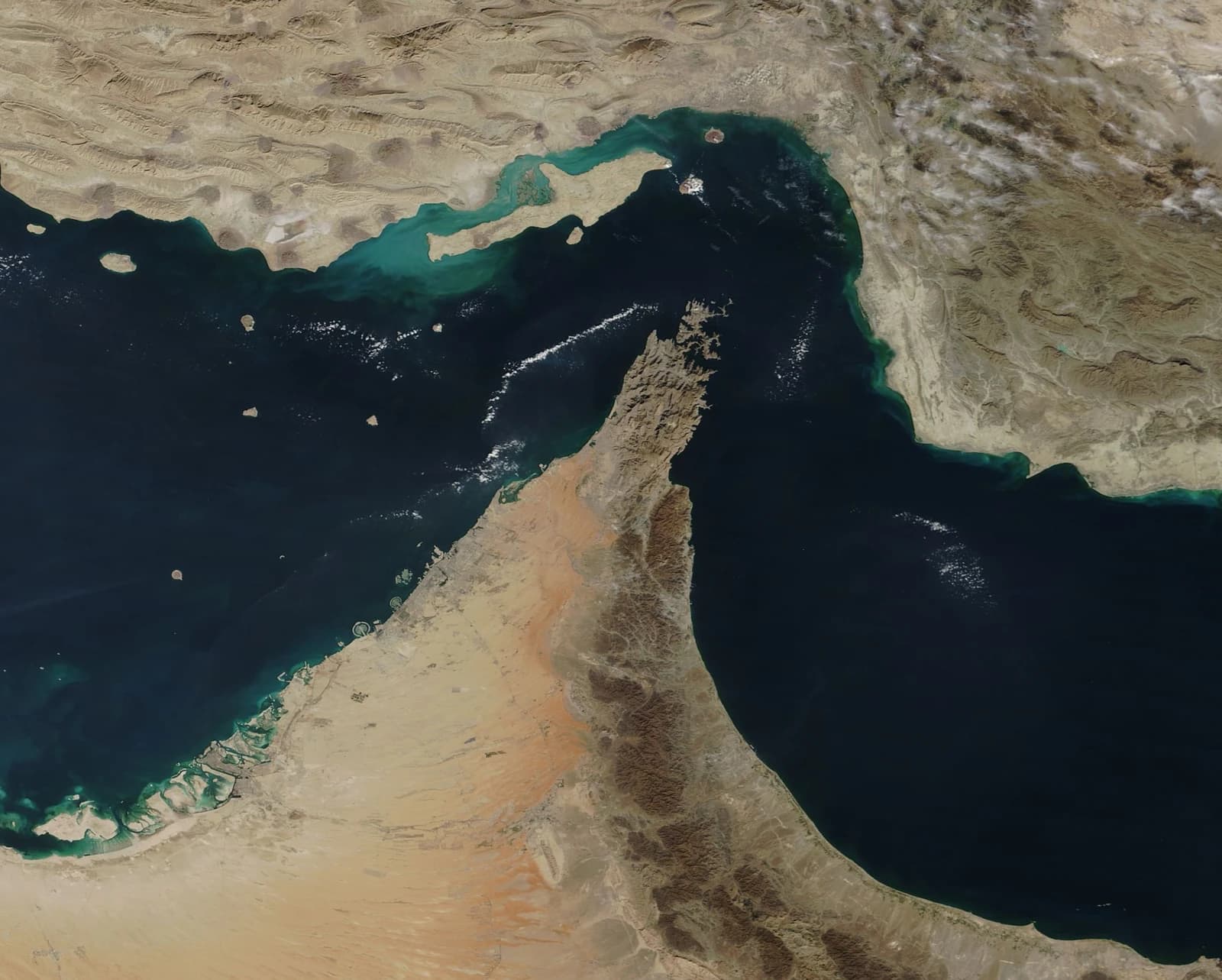
The Strait of Hormuz is the world’s most important energy chokepoint, carrying about a fifth of globally traded oil and a large share of liquefied natural gas. Any agreement to restore safer passage would matter far beyond the Gulf, because it would reduce the chance of sudden supply interruptions that can send crude prices sharply higher and ripple through freight, insurance and fuel costs.
Sentiment IndicatorsⓘProprietary · adalytica.com · August 4, 2026
This is a snapshot — live sentiment, awareness and momentum for 130+ markets update continuously in the dashboard.Open AlphaPulse
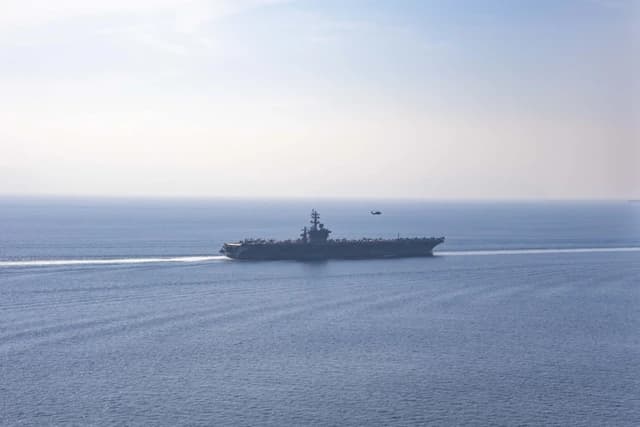
That helps explain the market sensitivity. WTI crude, tracked by USO, had been trading around $116.37 on Aug. 4 after a violent run-up earlier in the year that took the fund as high as $152.96 in May, while the 50-day moving average and RSI readings point to a market that has cooled but remains highly responsive to headline risk. Oil-sensitive equities, including the energy sector ETF XLE at $57.90 and oilfield services fund OIH at $388.54, have also stayed in focus as traders weigh the chance of a diplomatic de-escalation against the risk of fresh disruptions.
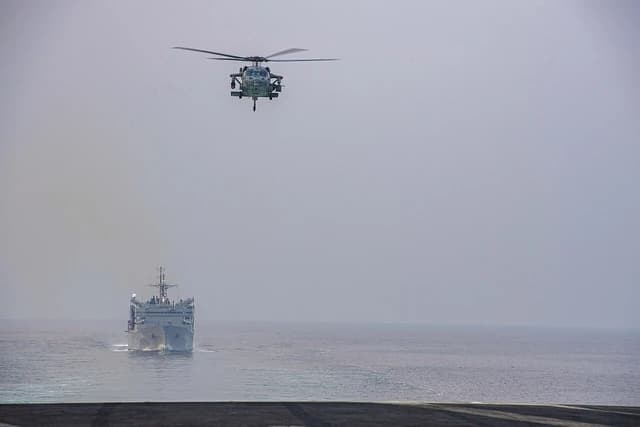
The timing is fragile. A Liberian-flagged vessel was struck by an unidentified projectile near the strait, forcing the crew to abandon ship and leaving one person missing, underscoring how quickly shipping risk can reprice crude and shipping insurance. The report also said as many as 80 Hong Kong-linked vessels were stuck around the waterway, highlighting the operational cost of uncertainty even before any formal reopening.
Oil WTI — 30-day sentimentadalytica.com
Explore this data interactively — full history, time series and cross-market comparisons.Open AlphaPulse
Bond and credit markets are also positioned for the fallout from either outcome. The U.S. 10-year Treasury yield was near 4.75%, while high-yield credit spreads sat around 2.85 percentage points, levels that suggest investors are still balancing resilient growth and sticky inflation against the possibility that an oil shock could complicate the outlook for central banks.
For investors, the key question is whether a deal would mark a durable easing in Gulf risk or just a temporary pause. Adalytica’s oil trade signals showed a sharp jump in sentiment to 77, while its OPEC policy gauge sank to “Extreme Fear,” reflecting how quickly traders are shifting between hopes for stability and concern over supply retaliation. The next catalyst is whether the reported Iran-Oman deal is finalized and whether any further attacks follow before shipping normalizes.
| Entity | Gains | Losses |
|---|---|---|
| Oil importers | ▲Lower freight and fuel costs | ▼Less hedge support |
| Energy consumers | ▲Easier margin pressure | ▼Fewer upside crude spikes |
| Crude producers | ▲Stable exports if lanes reopen | ▼Weaker risk premium |
| Shipping insurers | ▲Fewer claims if tensions fade | ▼Higher losses if attacks continue |