Iran has ruled out sending any enriched uranium out of the country, hardening its position in a nuclear dispute that could decide whether talks with Washington restart and whether sanctions pressure on the Islamic Republic intensifies further.
Iran Rejects Export of Enriched Uranium
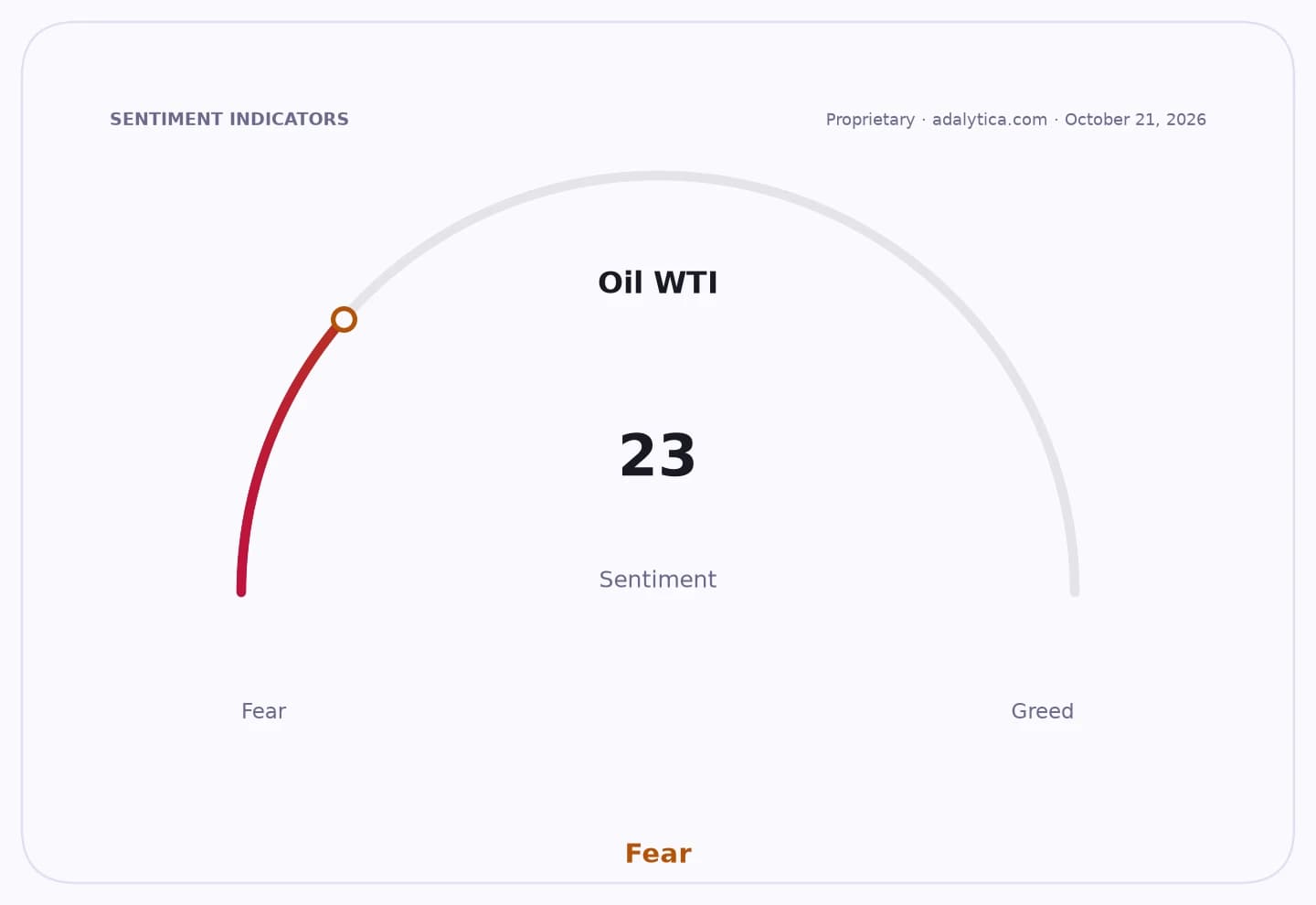
Oil WTI
Mohsen Rezaei, secretary of Iran’s Supreme National Security Council, said in Tehran that “not a single atom” of enriched nuclear material would leave Iran, framing the stockpile as a national asset reserved for domestic use. The comments narrow the space for any compromise that would involve exporting, diluting or otherwise transferring uranium as part of a confidence-building deal with the US.
Sentiment Indicators
Oil WTI
That matters because enriched uranium remains the central bargaining chip in any effort to revive nuclear diplomacy. For Washington and its allies, limits on Iran’s stockpiles are a prerequisite for reducing the risk of faster weapons-grade breakout capability. For Tehran, surrendering material would amount to a strategic concession without guarantees that sanctions relief or security concessions would follow.
Rezaei also said the resumption of negotiations with the US would depend on Washington taking practical steps to build trust, starting with Iranian conditions. That effectively shifts the burden back to the White House and signals that Tehran is not prepared to negotiate from a position of weakness. The message undercuts expectations that third-party mediation, including efforts involving Pakistan’s army chief Asim Munir, will quickly bridge the gap.
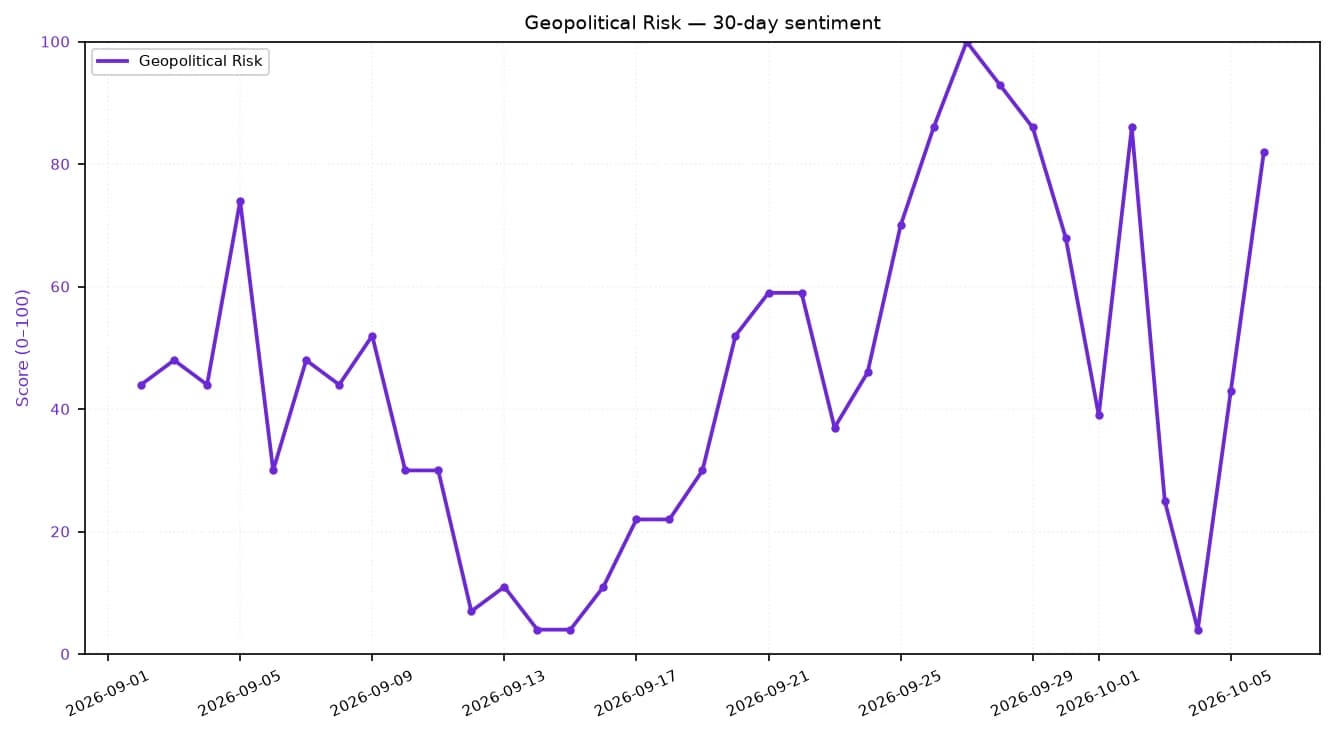
Geopolitical Risk vs CCJadalytica.com
Explore this data interactively — full history, time series and cross-market comparisons.
The broader economic stakes extend beyond diplomacy. Any breakdown in talks raises the odds of tougher sanctions enforcement or fresh penalties, keeping pressure on Iran’s oil exports, access to hard currency and already strained external financing. It also sustains a geopolitical risk premium across crude, shipping and regional assets, even as global market attention has periodically rotated away from the Middle East.
Investors have treated Iran headlines as a macro risk variable rather than a standalone event. A sharper escalation would tend to support oil prices and the shares of uranium miners and nuclear-fuel suppliers, while weighing on airlines, importers and broader risk assets. A diplomatic thaw would have the opposite effect, easing supply fears and compressing the geopolitical premium embedded in energy markets.
The tone from Tehran suggests the nuclear file remains stuck at an early stage of bargaining, with neither side willing to concede the key issue first. That leaves the market focused on whether the US responds with a gesture that Tehran can frame as trust-building, or whether the standoff drifts toward another period of pressure, retaliation and uncertain regional stability.
| Entity | Gains | Losses |
|---|---|---|
| Iran | ▲preserves nuclear leverage | ▼risks deeper sanctions |
| US and allies | ▲may sustain pressure tools | ▼lose near-term deal prospects |
| Uranium miners | ▲support from tighter supply risk | ▼less upside if diplomacy improves |
| Oil importers / airlines | ▲lower immediate escalation risk | ▼higher costs if tensions flare |