Iran’s reported move to prepare draft legislation on navigation in the Strait of Hormuz matters because the waterway is one of the world’s most important energy arteries, and even a hint of tighter restrictions can ripple through oil prices, freight rates and inflation expectations.
Iran Strait of Hormuz draft law raises oil risk
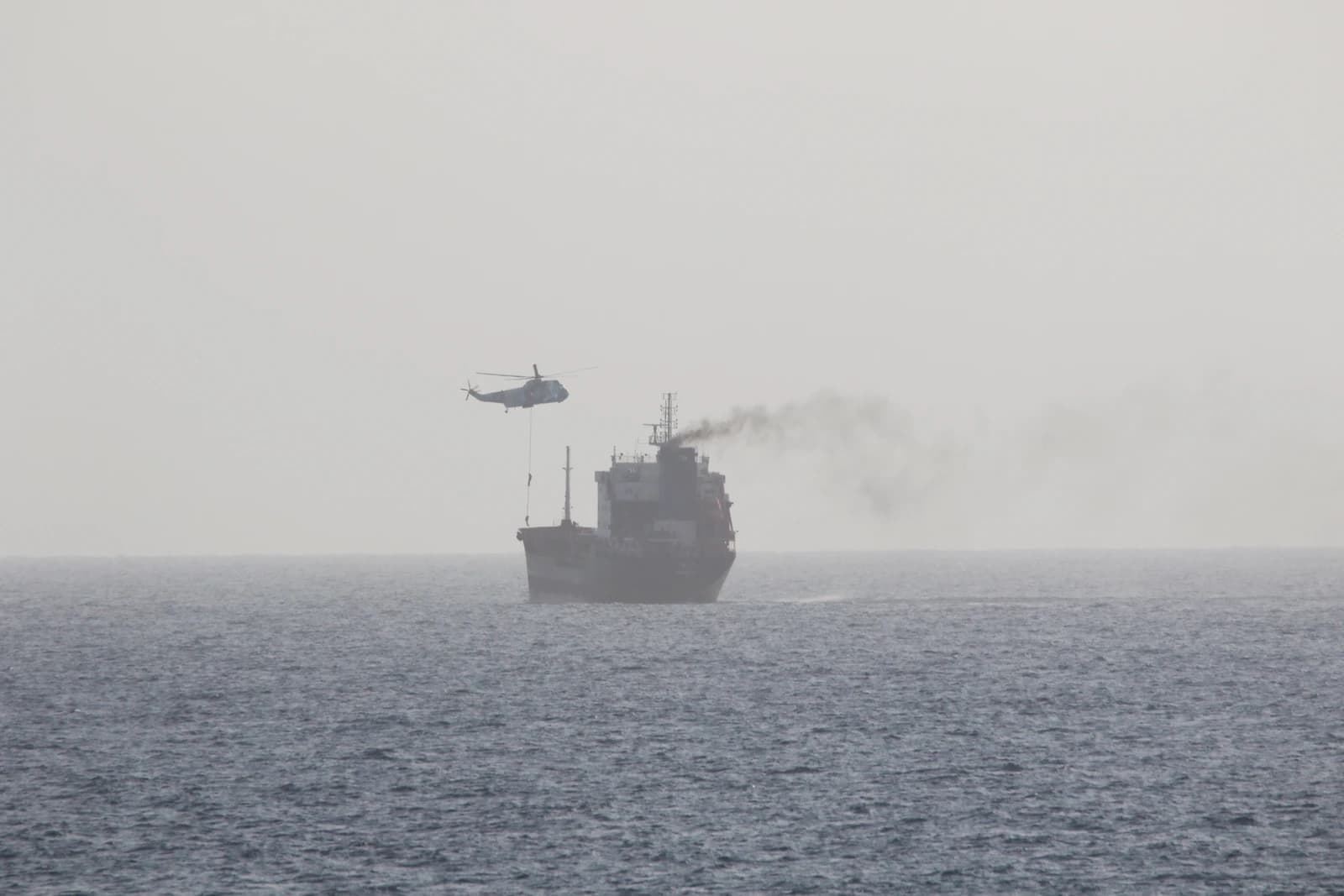
For investors, the issue is not just the geopolitical headline. It is the market’s exposure to a chokepoint through which a large share of global seaborne crude and refined products move every day. Any legal, military or administrative step that raises the odds of disruption can quickly reprice energy stocks, tanker shares and broader risk assets, while also feeding into bond yields if traders start to assume a more persistent oil shock.
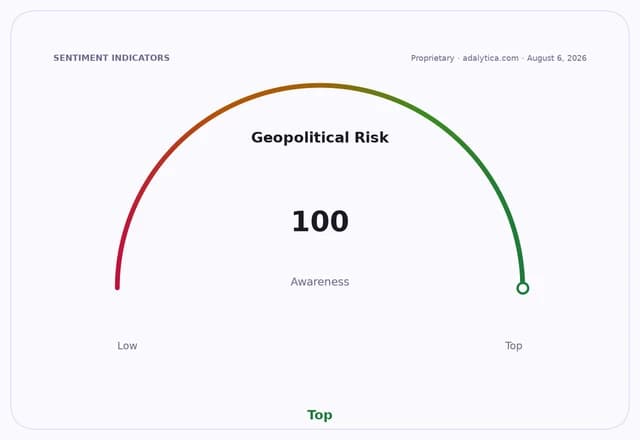
Sentiment IndicatorsⓘProprietary · adalytica.com · August 6, 2026
This is a snapshot — live sentiment, awareness and momentum for 130+ markets update continuously in the dashboard.Open AlphaPulse
That helps explain why crude remains sensitive to every fresh development around the Gulf. WTI was trading near $78 a barrel in the latest session after a sharp run-up earlier this year that took it well above $100 and briefly into the mid-$90s again, underscoring how quickly the market can react when supply routes come under pressure. Energy equities have also reflected the tension: the OIH oil services ETF and the broader XLE energy fund have both stayed well above their longer-term trend levels, showing that investors are still willing to pay up for companies tied to higher upstream activity and stronger pricing.
The economics are straightforward. If transit through Hormuz becomes more expensive, slower or less secure, the cost of moving oil rises even before barrels are physically lost. That can mean higher freight insurance premiums, rerouted cargoes and delays that tighten prompt supply. It can also widen the gap between benchmark crude and the actual delivered cost faced by refiners and importers in Asia and Europe. In a world still wrestling with sticky inflation and interest rates around 4.6% on the U.S. 10-year Treasury, another energy shock would be unwelcome for central banks and consumers alike.
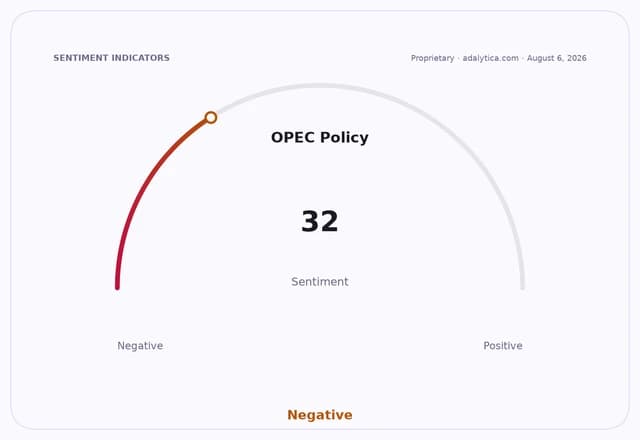
OPEC Policy vs CL=Fadalytica.com
Explore this data interactively — full history, time series and cross-market comparisons.Open AlphaPulse
Shipping is already treating the route with caution. The latest reports say more than 60 Indian merchant vessels have still crossed safely, but the overall traffic level in the strait remains below pre-conflict norms. That tells you the market is not in panic, but it is paying a risk premium. A proposed toll or navigation fee would only raise the stakes further, especially if insurers refuse to cover ships that pay it. That kind of standoff would be hard to enforce cleanly and could invite more political and commercial pushback than revenue.
For long-term investors, the bigger lesson is that Hormuz risk does not stay confined to the Gulf. It flows into tanker demand, oil producer cash flows, refinery margins, airline fuel costs and eventually consumer spending. Producers and shipping names can benefit from elevated volatility, while import-dependent refiners, airlines and transport-heavy businesses tend to lose. The trade is less about betting on one headline and more about recognizing that a fragile chokepoint can keep energy markets on edge for weeks or months.
If Iran and regional powers can keep negotiations from colliding with shipping rules, the worst-case outcome may be avoided. But until there is clearer diplomatic and security traction, investors should assume Hormuz remains a live risk to oil prices and supply chains, not a background issue to be ignored. Worth watching, especially for energy and diversified long-term portfolios.
| Entity | Gains | Losses |
|---|---|---|
| Oil producers | ▲Higher realized prices | ▼Pressure eases if tensions fade |
| Tanker and shipping firms | ▲Higher freight rates | ▼Insurance and routing costs |
| Oil importers and refiners | ▲Limited benefit from volume spillovers | ▼Higher input costs |
| Consumers and airlines | ▲Possible temporary fuel availability | ▼Higher fuel and inflation costs |