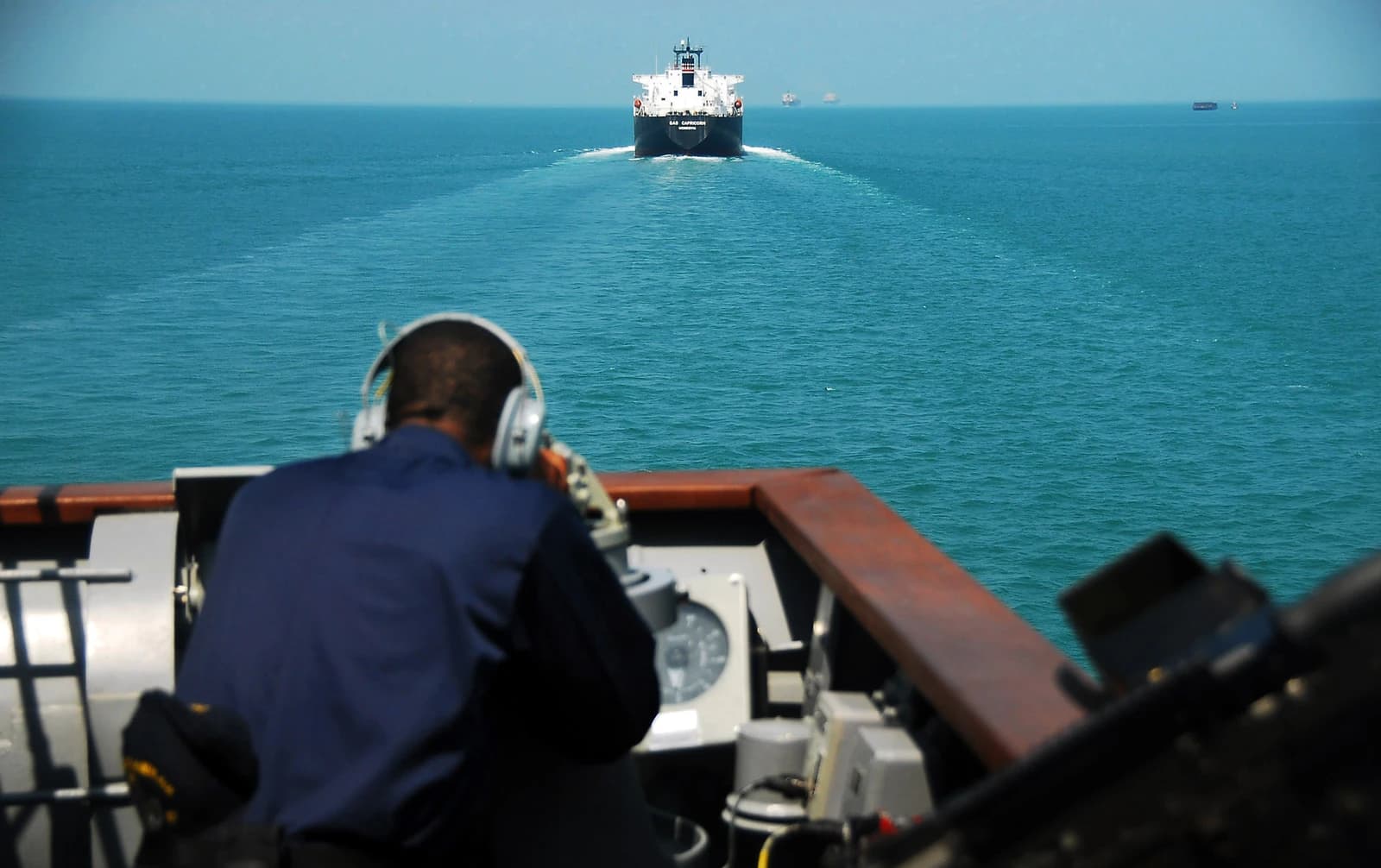
Iran says it is ready to guarantee safe passage through the Strait of Hormuz, a signal that carries outsized weight because the waterway handles a large share of global crude flows and has become the center of a fresh maritime security crisis after attacks on tankers.
Iran Says It Can Help Secure Strait of Hormuz
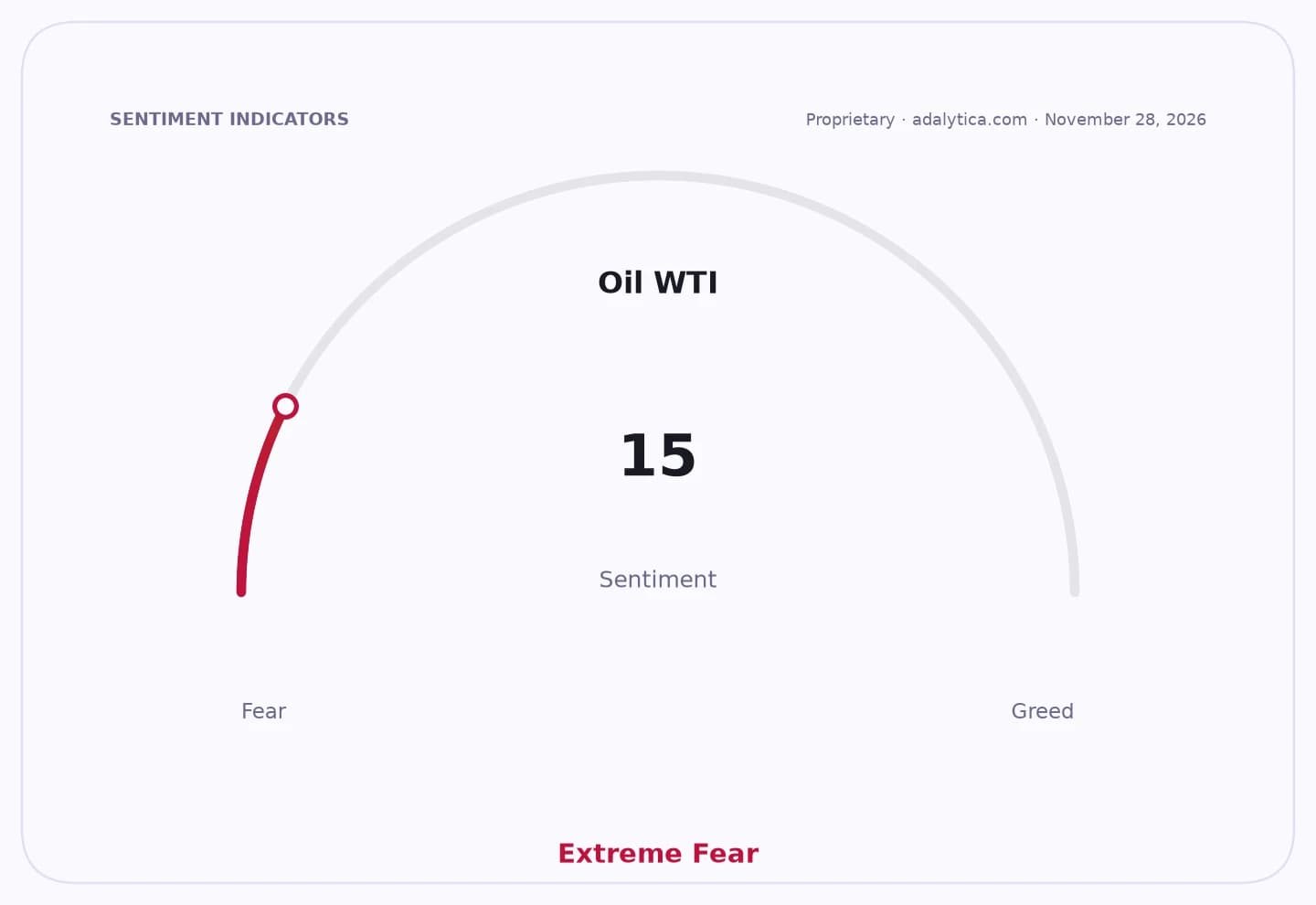
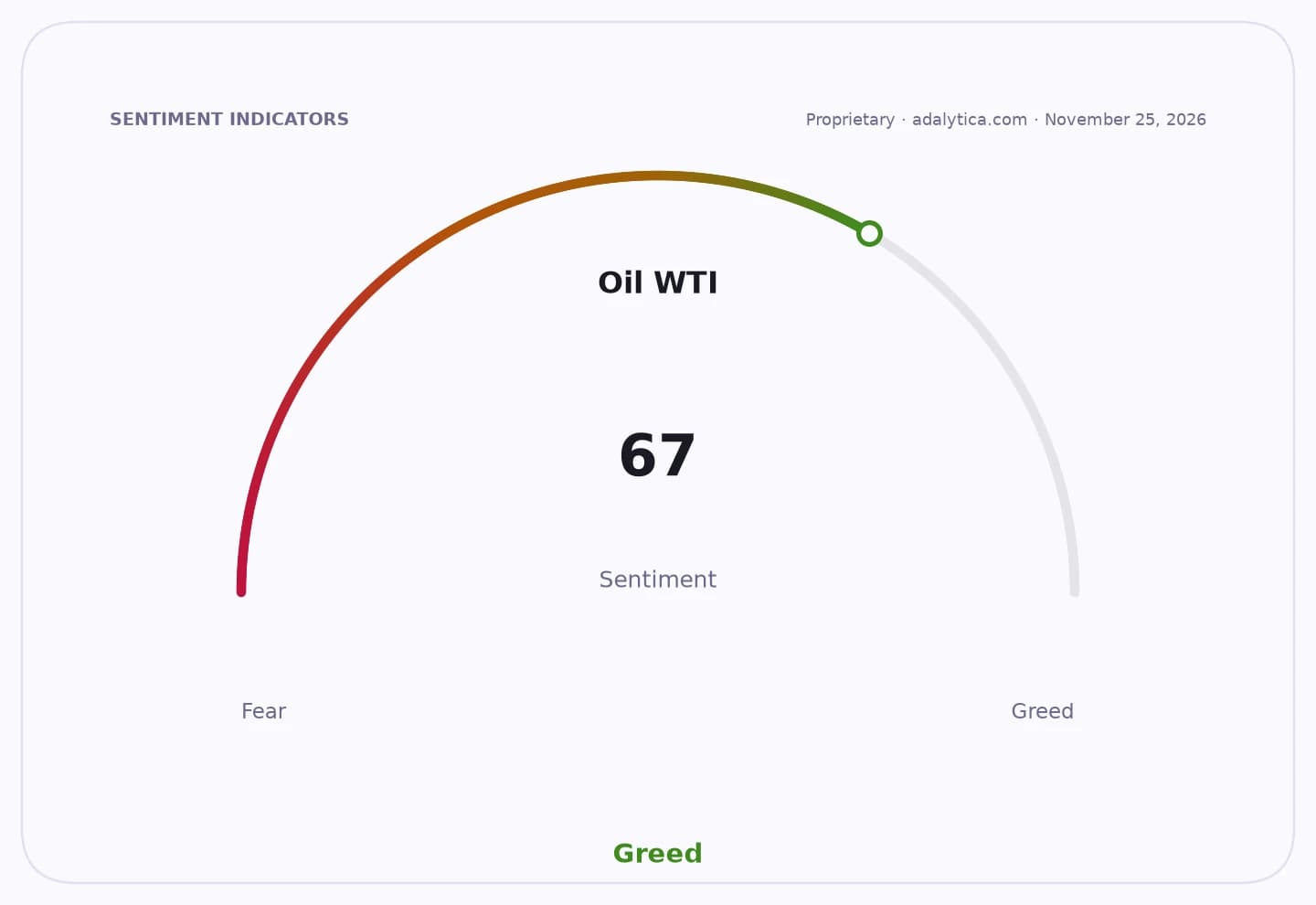
Oil WTI
Tehran said it could act “very quickly” to restore security in the chokepoint if the United States meets its conditions, while also confirming contacts with Russia and China before and after a meeting involving Donald Trump, Vladimir Putin and Xi Jinping. The remarks underscore how the standoff around Hormuz is increasingly tied to wider great-power diplomacy, not just regional military pressure.
Sentiment Indicators
The timing matters for oil traders and energy consumers. A Panama-flagged tanker was set ablaze in the strait after a missile attack, with 24 Indian crew reported missing, adding to a series of incidents that have already pushed up shipping costs and intensified fears of supply disruption. Any sustained threat to traffic through Hormuz can ripple quickly into crude prices, freight rates and refinery margins.
The market is already pricing in that risk. USO, the United States Oil Fund, has climbed to $139.37 from $133.36 in the latest sessions, while Adalytica’s Oil WTI Trade Signals snapshot shows sentiment at 67, with 1-day and 7-day changes still negative even after a sharp 30-day rise. Energy shares have also been volatile: the Energy Select Sector SPDR fund, XLE, rebounded to $61.22 after sliding from $70.02 earlier in the period, while the Oil Services ETF, OIH, has recovered to $347.88 from a recent low near $329.73.
Oil WTI — 30-day sentimentadalytica.com
Explore this data interactively — full history, time series and cross-market comparisons.
For investors, the key issue is whether the latest attacks represent a temporary flare-up or the start of a longer disruption cycle. A stable Hormuz would ease pressure on crude, tanker insurance and shipping equities; a deeper escalation would support energy prices, lift defense and offshore services names, and keep broader markets on edge.
| Entity | Gains | Losses |
|---|---|---|
| Oil bulls | ▲Higher crude prices | ▼Easier supply conditions |
| Tanker operators/insurers | ▲Higher freight and premiums | ▼Lower geopolitical risk |
| Energy producers | ▲Stronger realized prices | ▼Demand-side pressure if costs spike |
| Refiners/consumers | ▲— | ▼Higher feedstock and transport costs |