The U.S. Treasury says it is intensifying its campaign to cut off Iran’s financial lifelines, moving to sanction more than 24 exchange houses, shell companies and key individuals tied to Tehran’s shadow banking system.
U.S. Treasury sanctions more Iran exchange houses
That matters because Iran’s ability to move oil revenue and hard currency through opaque intermediaries is central to how it funds the state, supports regional proxies and cushions the blow from years of sanctions. Treasury Secretary Scott Bessent said the department would keep dismantling what he called the Islamic Republic’s illegal financial networks until “we bury the head of the snake,” underscoring Washington’s willingness to escalate economic pressure rather than rely on diplomacy alone.
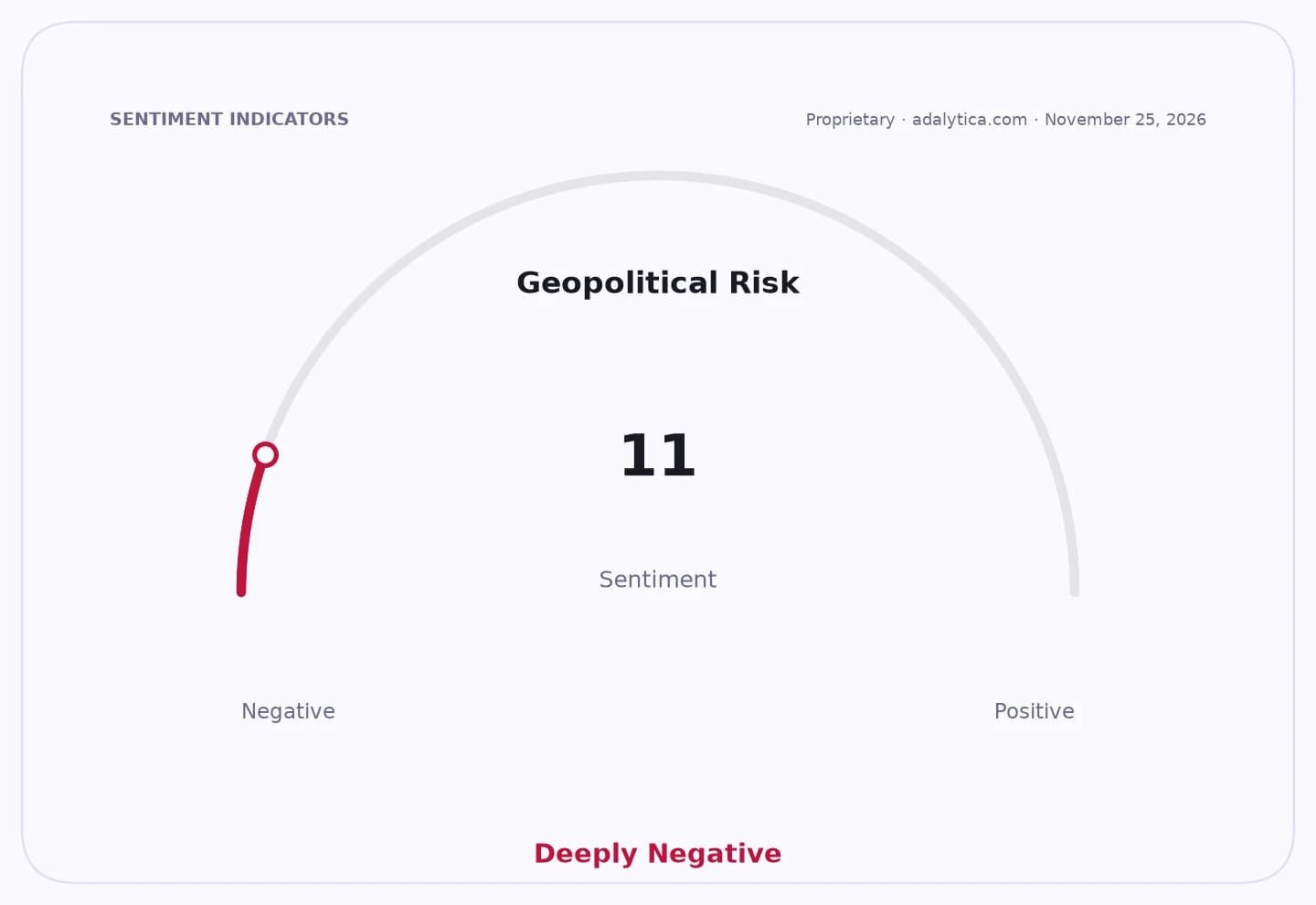
Sentiment Indicators
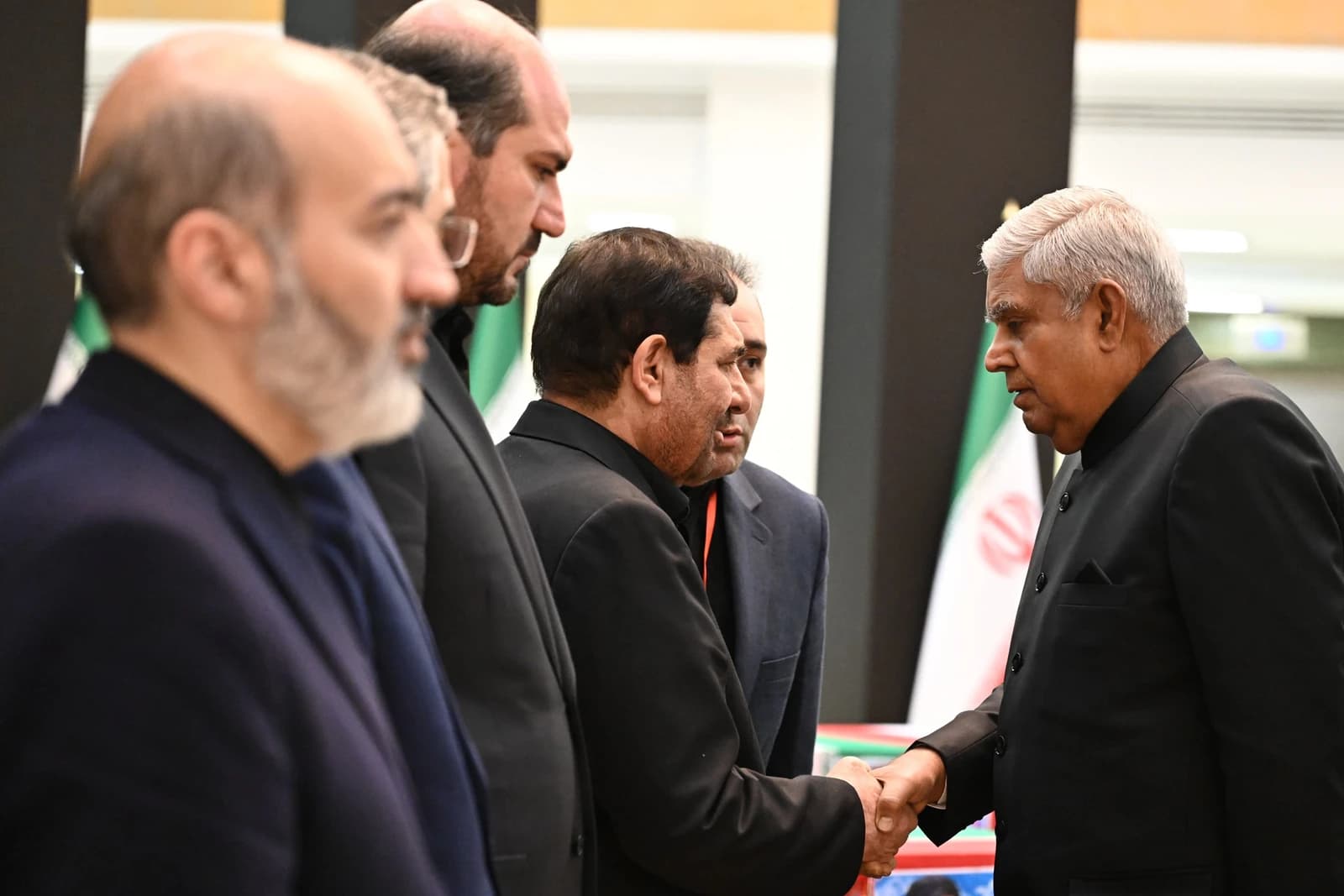
The new measures were announced under an operation Treasury described as “economic expulsion,” aimed at disrupting the hidden banking channels that Iran uses to collect and recycle proceeds from oil sales. In Tehran, the government has acknowledged that sanctions do more damage than conventional warfare, a sign of how exposed the economy remains to restrictions on dollar access, trade finance and cross-border payments.
For investors, the direct market impact is limited but the geopolitical read-through is broader. Tighter sanctions can add to Middle East risk premia, support energy prices if trade routes are disrupted, and keep pressure on shipping and insurance markets already sensitive to incidents around the Strait of Hormuz.
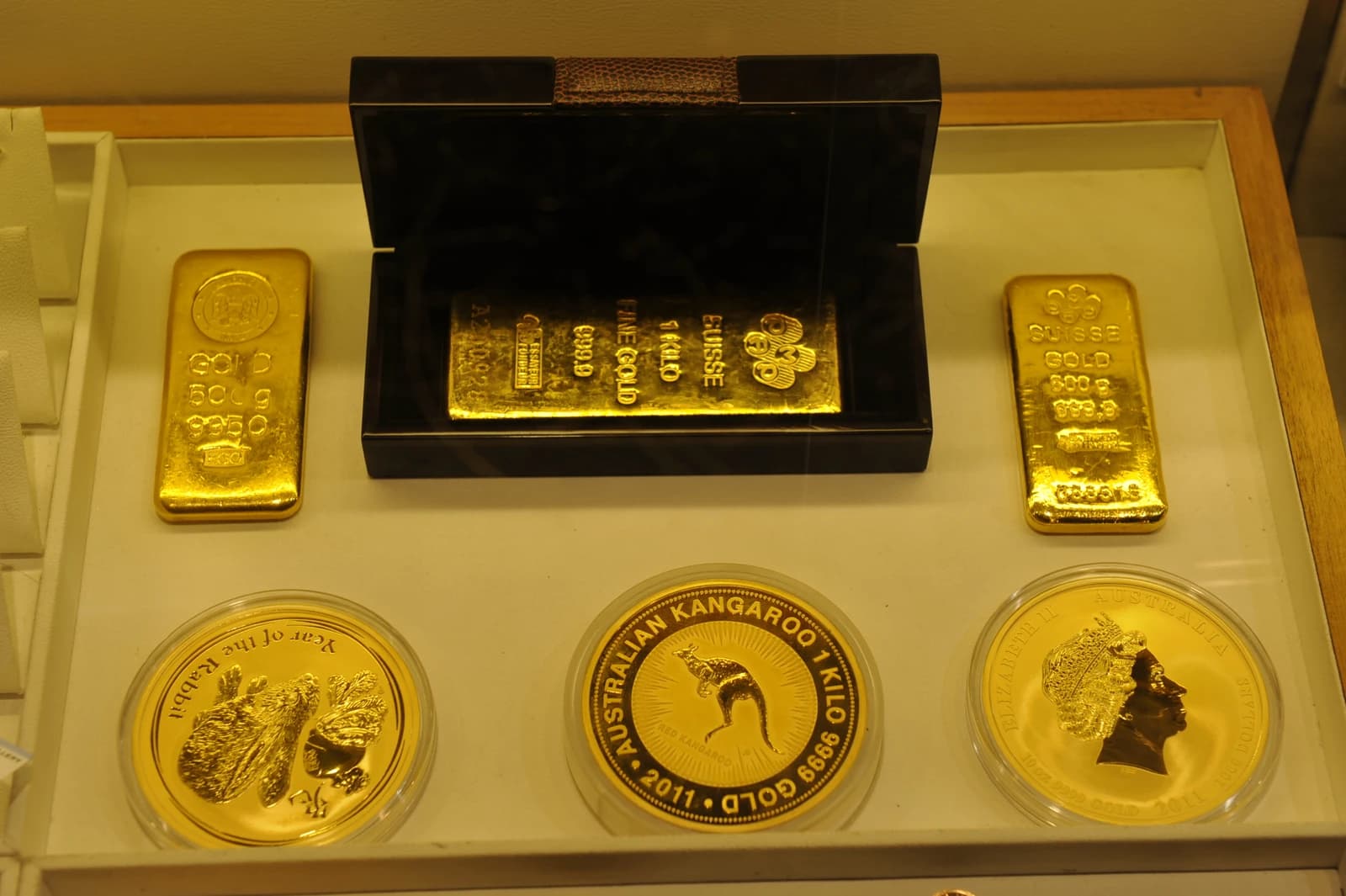
That backdrop helps explain moves in energy and safe-haven assets. U.S.-listed oil ETF USO has rebounded to $139.89 after an earlier slide, while XLE, the energy sector ETF, has recovered to $60.90 from recent lows, and gold ETF GLD remains elevated at $327.45 even after volatile trading. Standard technical indicators on those funds show oversold conditions easing in recent sessions, suggesting traders are still pricing a mix of sanction risk, regional tension and shifting demand expectations.
The latest sanctions also fit into a wider U.S. effort to choke off Iran’s oil-revenue plumbing at a time when maritime security in the Gulf remains fragile. Further sanctions, enforcement actions and potential retaliation from Tehran are likely to keep markets on edge heading into the next round of regional headlines and U.S. policy moves.
| Entity | Gains | Losses |
|---|---|---|
| U.S. Treasury | ▲stronger leverage | ▼fewer channels to Iran |
| Iranian government | ▲none | ▼oil revenue access |
| Oil bulls / USO, XLE holders | ▲risk premium support | ▼higher volatility |
| Gold holders / GLD | ▲safe-haven demand | ▼less upside if tensions cool |