Iraq’s decision to start exporting fuel oil by truck, bypassing the Strait of Hormuz, is a small logistical move with outsized geopolitical and market implications: it shows Gulf producers are actively building workarounds as tensions around the waterway threaten one of the world’s most important crude and refined-product arteries.
Iraq Trucked Fuel Signals Hormuz Risk Premium
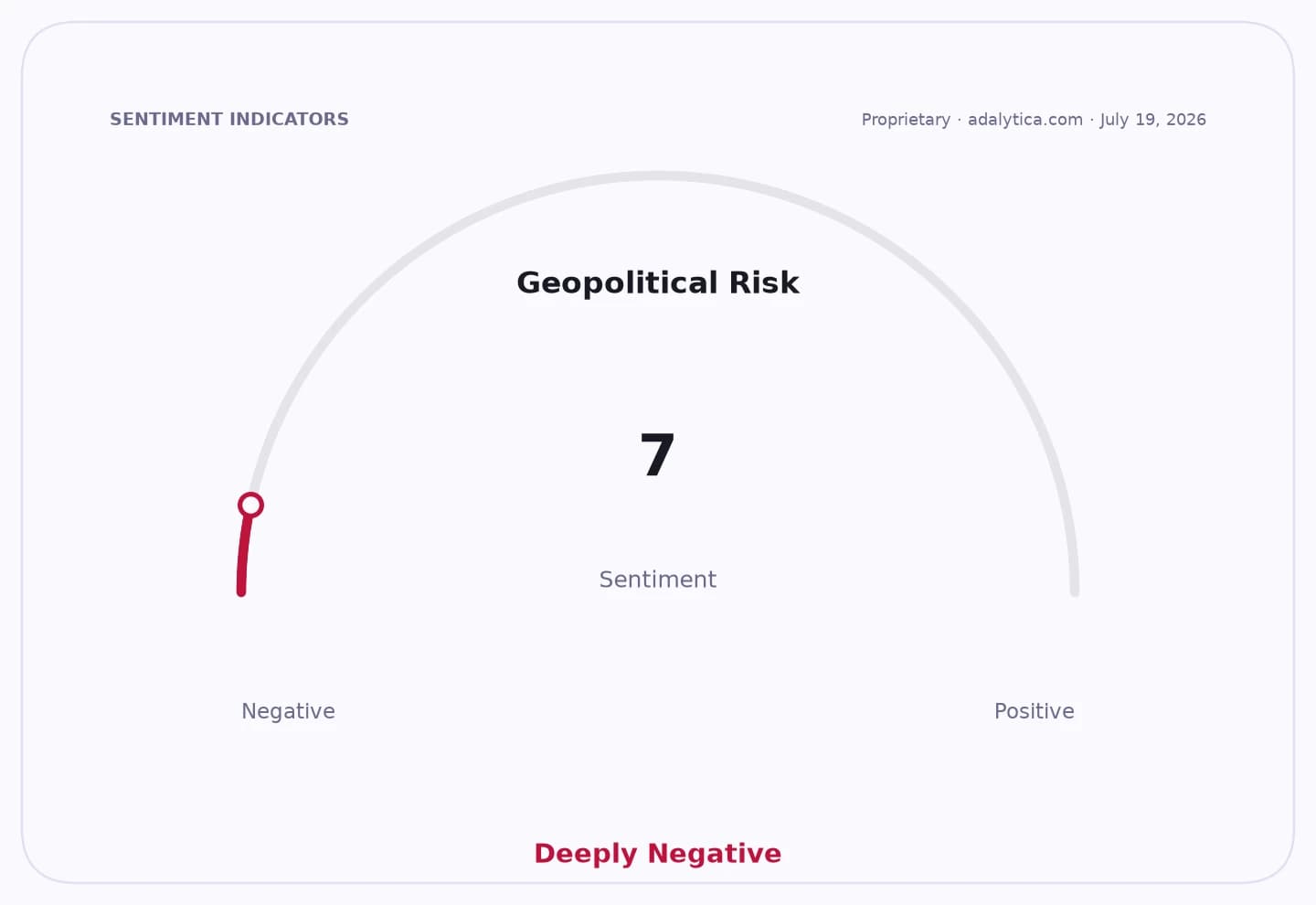
For investors, the significance is not the volume of trucked cargo itself but the signal it sends about supply-chain fragility. When producers begin diverting barrels away from the Strait, they are effectively pricing in a higher risk premium for Middle East energy flows, and that can ripple through crude benchmarks, refined-product margins and tanker trade. The latest market data already points to that sensitivity. U.S. benchmark WTI has rebounded to around $78 a barrel in the supplied forecast, after a volatile July, while the U.S. Oil Fund has surged back above its 50-day moving average and its Bollinger Band upper range, a sign of strong near-term momentum as traders hedge against supply disruption.
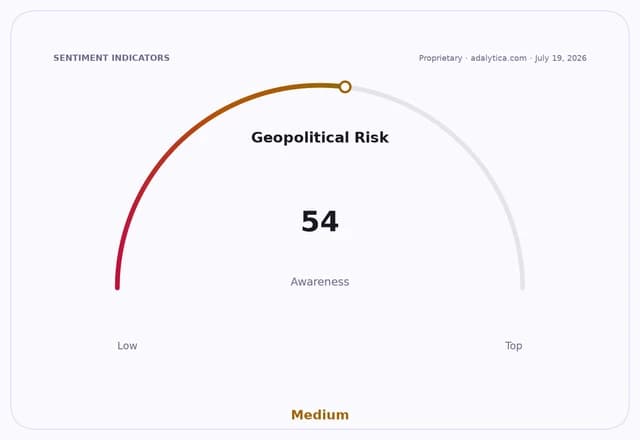
The move also matters because Hormuz is not just a shipping lane; it is a pressure point for the global economy. The Reuters context indicates Gulf exports surged in July despite navigation challenges, but that improvement sits alongside rising concern that renewed conflict could still interrupt flows. Iraq’s workaround suggests regional exporters are trying to preserve revenue while reducing exposure to any escalation that could close or constrain the strait. That matters economically because even limited disruption can tighten inventories, lift transport costs and push fuel prices higher for consumers already facing a volatile energy backdrop.
The broader market reaction is consistent with that thesis. Energy equities, tracked by XLE, have climbed back toward recent highs, and the fund’s relative strength has improved, reflecting investor demand for direct exposure to a supply-risk trade. At the same time, the Adalytica Global Stability Sentiment gauge is pinned at “Extreme Fear,” underscoring how geopolitics is driving positioning rather than fundamentals alone. That combination usually supports upstream producers, refiners with access to cheaper feedstock, and hedged portfolios, while weighing on airlines, chemical users and broader risk assets that are sensitive to fuel costs.
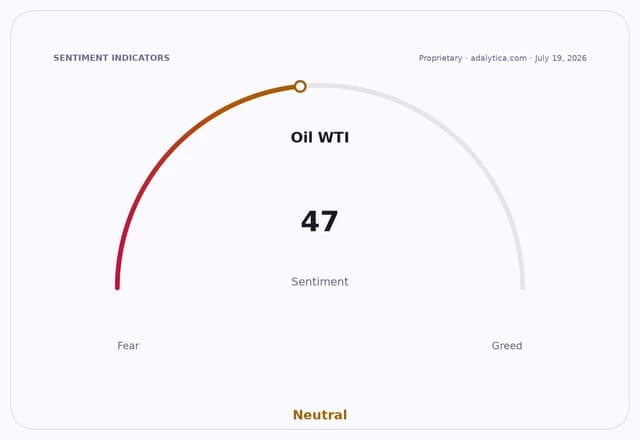
For Iraq, trucked exports are a stopgap, not a structural solution. The country still depends heavily on external routes for meaningful volumes, and overland logistics are far less scalable than seaborne shipment. But the fact that Baghdad is willing to reroute exports at all signals that the region is preparing for a more fragmented energy map if Hormuz becomes less reliable. For investors, the key question is whether this is an isolated contingency or the beginning of a wider shift in Gulf trade patterns that would keep a geopolitical premium embedded in oil prices for longer.
| Entity | Gains | Losses |
|---|---|---|
| Iraq | ▲Export continuity | ▼Route efficiency |
| Gulf producers | ▲Reduced Hormuz exposure | ▼Higher logistics costs |
| Oil bulls | ▲Supply-risk premium | ▼Price stability |
| Fuel users | ▲None | ▼Higher energy costs |