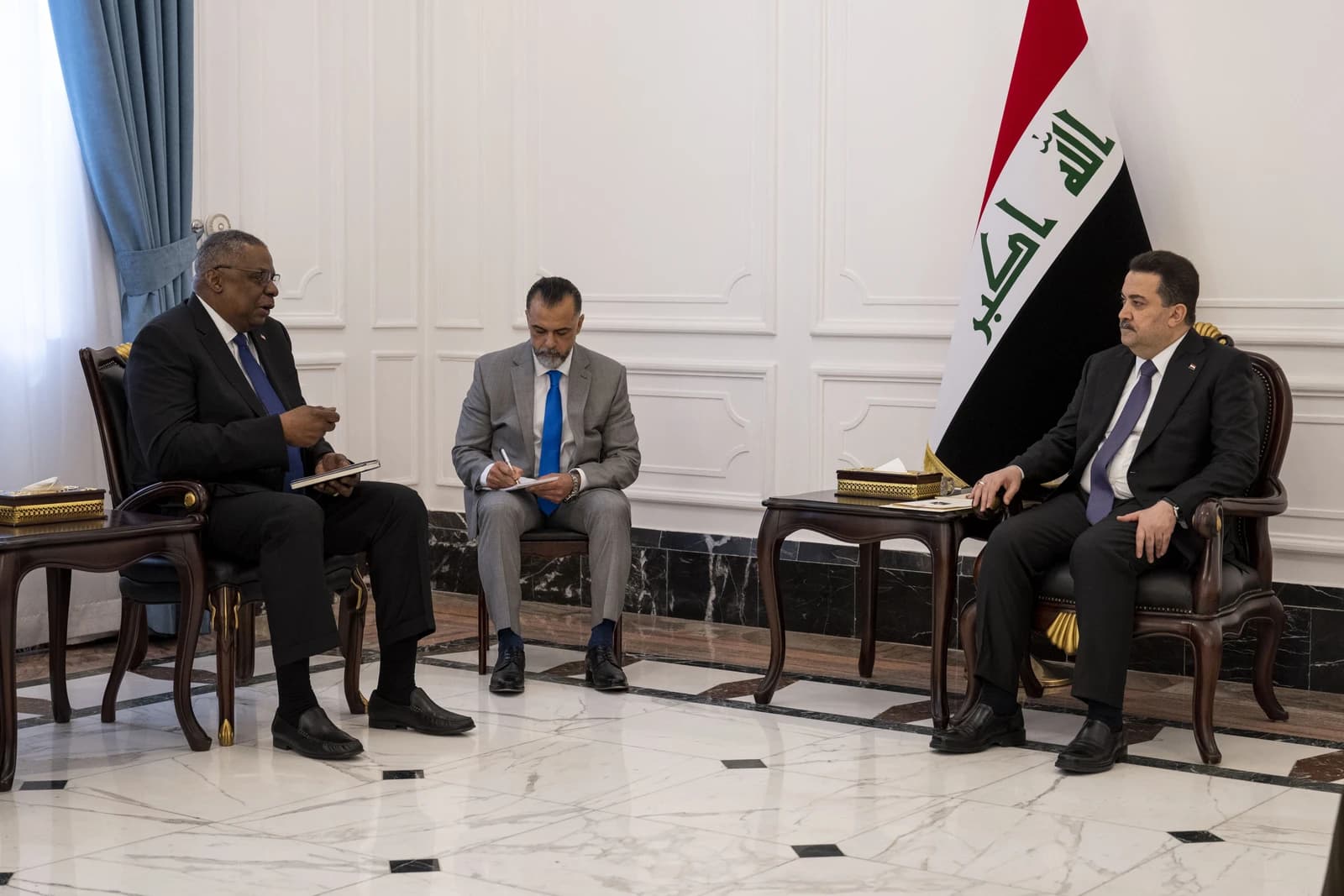
Iraq has returned to international debt markets with a $1 billion sovereign bond guaranteed by the U.S. government, a financing move that could help the country tap investors at a time when borrowing costs remain elevated and frontier-market access is still highly selective.
Iraq returns with $1 billion U.S.-backed bond

The deal matters because a U.S. guarantee does more than lower Iraq’s funding risk on paper. It can bring down the coupon, widen the buyer base and signal that Washington sees strategic value in helping Baghdad repair its standing with global lenders. For Iraq, whose finances still depend heavily on oil revenue, the bond is a chance to lengthen maturities and diversify funding beyond domestic banks and short-term liquidity needs.
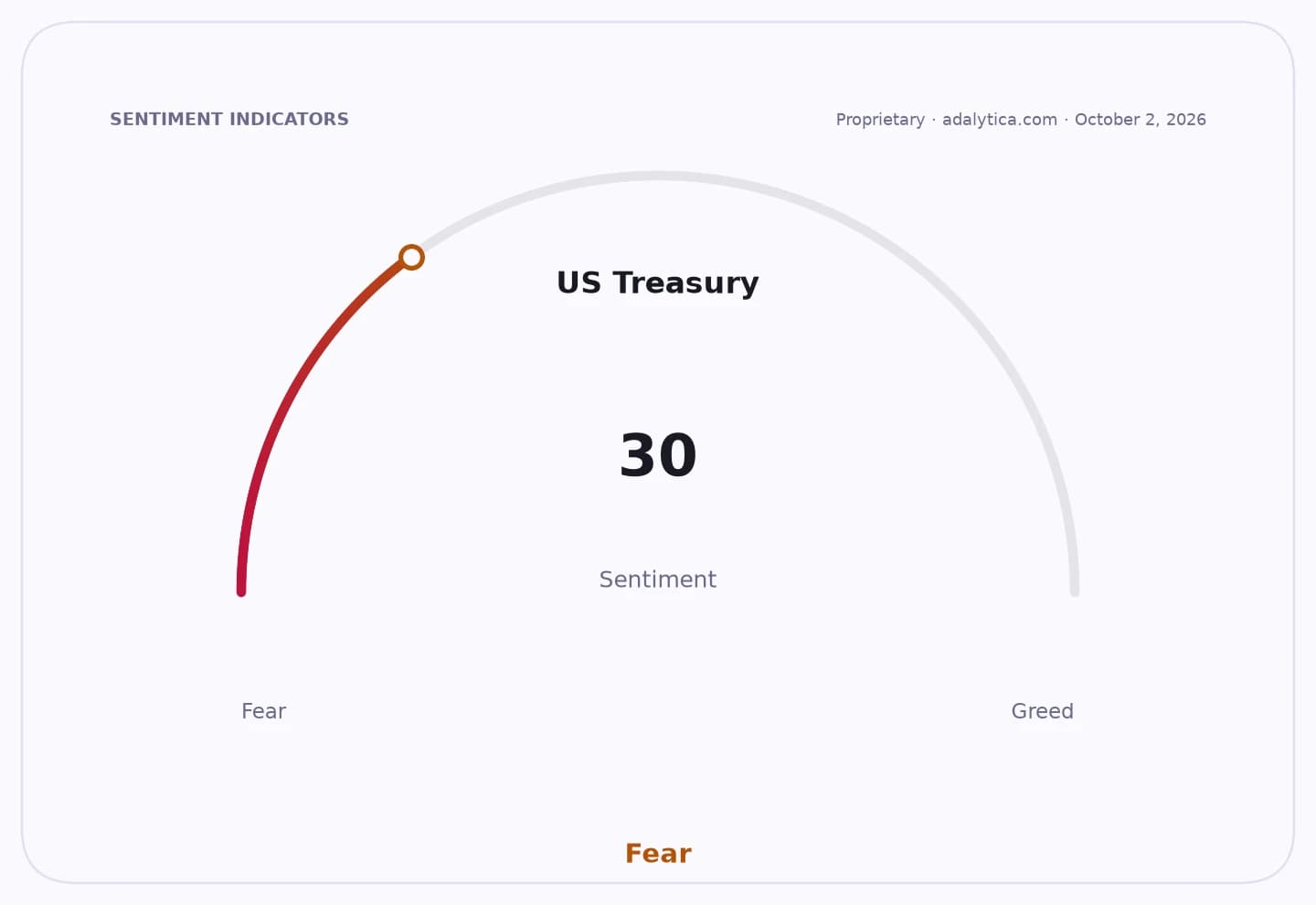
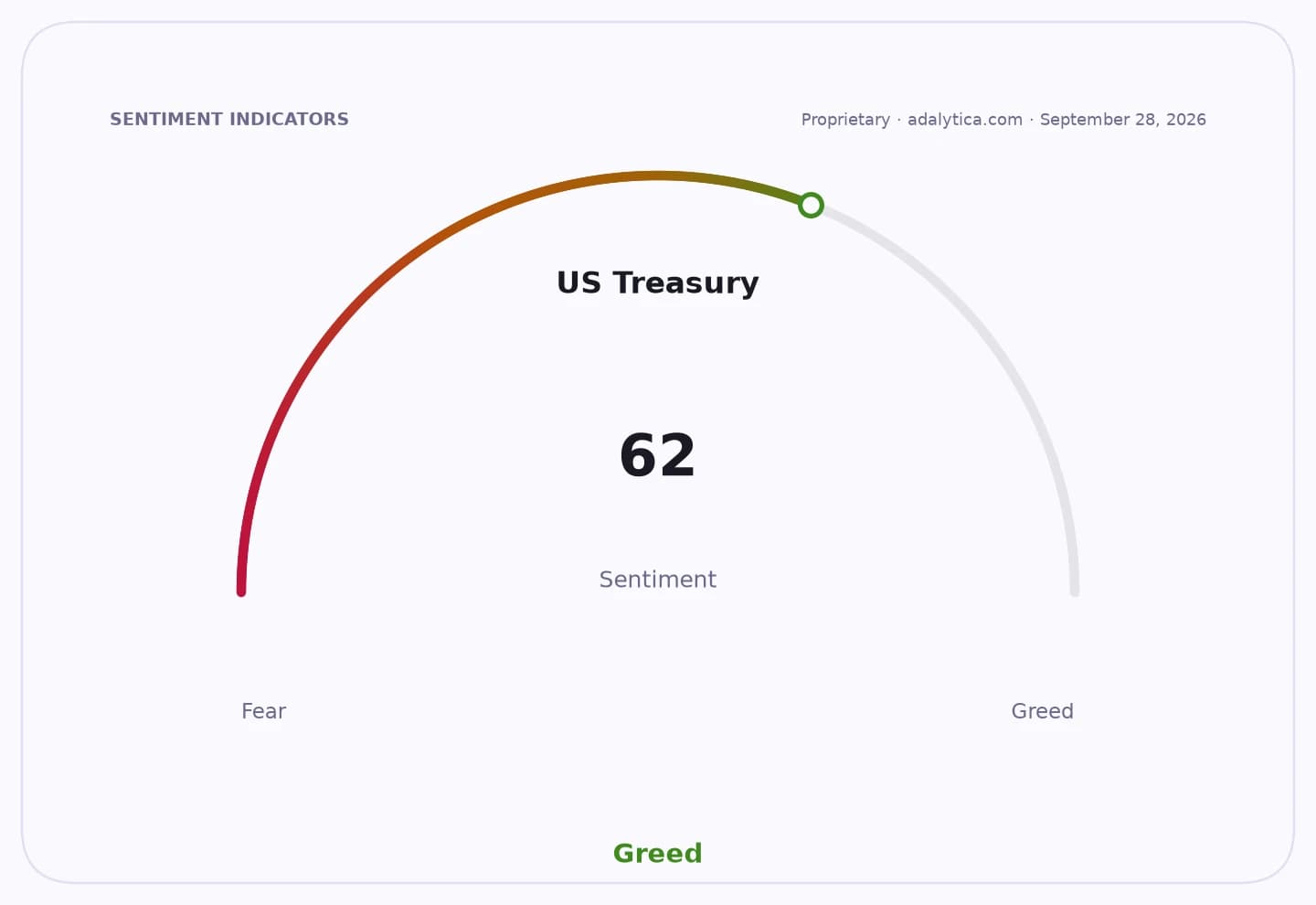
Sentiment IndicatorsⓘProprietary · adalytica.com · October 1, 2026
This is a snapshot — live sentiment, awareness and momentum for 130+ markets update continuously in the dashboard.Open AlphaPulse
For investors, the issue is notable less as a one-off trade than as a read-through on risk appetite in stressed sovereign credit. A U.S.-backed Iraqi bond offers a rare blend of sovereign exposure and quasi-developed-market credit support, which can appeal to institutions that want yield without taking on the full political and repayment risk of a standalone Iraq issue. That said, the market is still telling a cautious story: U.S. Treasury yields have climbed back above 5%, and high-yield credit spreads remain far from complacent, keeping financing conditions tight for issuers that do not have an explicit backstop.
The bond also lands in a market where longer-duration government debt has been under pressure. The iShares 20+ Year Treasury Bond ETF has fallen to about $77.71, below its 50-day and 200-day moving averages, a sign that investors have been reluctant to extend duration aggressively. In credit, the iShares iBoxx $ High Yield Corporate Bond ETF has slipped to $76.90, with momentum indicators still weak, underscoring how sensitive bond buyers remain to rate volatility and default risk. Iraq’s guarantee, in that context, gives the country a meaningful funding advantage.
The broader narrative is straightforward: sovereign borrowers that can secure outside credit support are finding a narrower but still open window to finance themselves, while investors continue to prefer structures that reduce downside. Adalytica’s U.S. dollar trade signals still show extreme fear, even as appetite for Treasury bonds remains elevated, which suggests capital is cautious, not absent. That is exactly the kind of environment in which guarantees matter most.
For long-term investors, the lesson is not about chasing a single bond issue. It is about recognizing that credit markets still reward structure, sponsorship and balance-sheet discipline. Iraq’s return with U.S. backing is a reminder that in a world of higher rates and selective capital, the strongest papers are often the ones with someone standing behind them. Worth watching, especially for what it says about the next wave of frontier-market financing.
| Entity | Gains | Losses |
|---|---|---|
| Iraq | ▲Cheaper funding access | ▼Higher scrutiny |
| U.S. government | ▲Strategic influence | ▼Contingent exposure |
| Bond investors | ▲Added credit protection | ▼Limited yield upside |
| Unbacked frontier issuers | ▲Benchmarked demand if successful | ▼Less favorable comparisons |